 Yijia Overseas
In 2026, Brazil has introduced several tax changes: import tax rules for low-value imported goods have been adjusted, consumption tax reform has entered its testing phase, and further changes will come in 2027.
This article explains Brazil's recent tax changes, their impact on cross-border sellers, and what preparations should be made now.
1. Low-value import tax adjustment: import tax reduced to zero for goods up to US$50
Effective: May 12, 2026
Brazil has adjusted import tax rules for international small parcels. According to current rules published by the Brazilian Federal Revenue Service, eligible individual consumers buying through certified e-commerce platforms enrolled in the Remessa Conforme (PRC) program may apply the new rates.
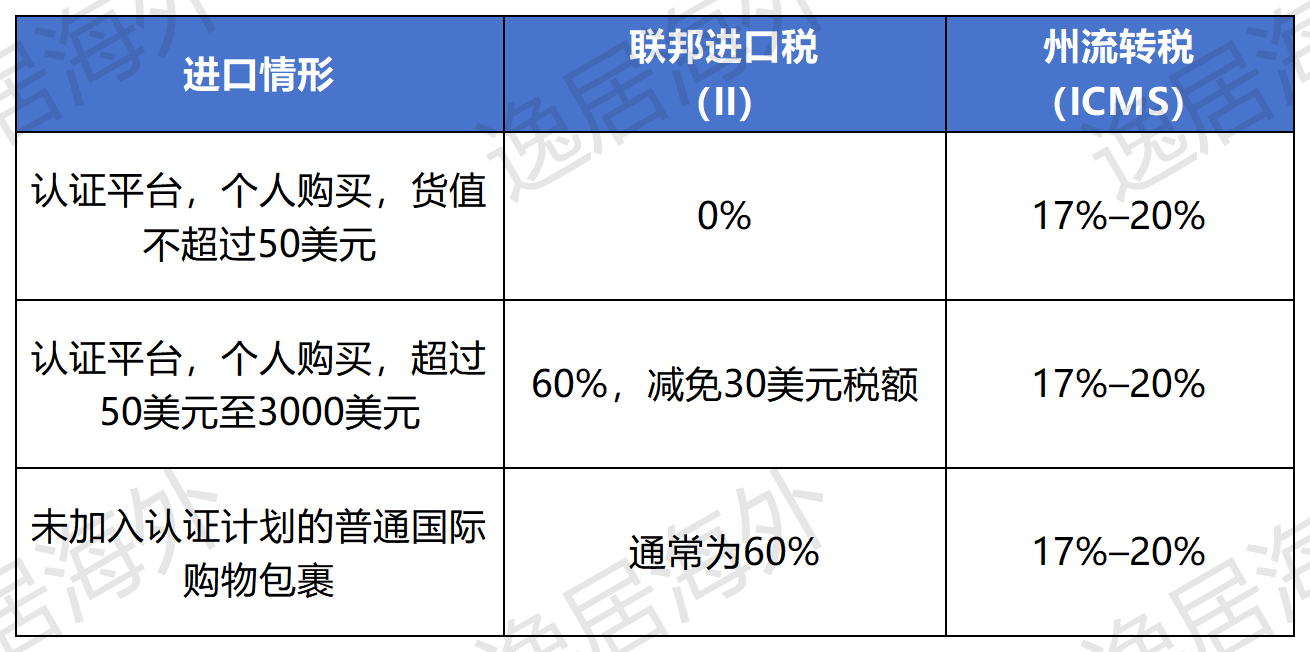
Note*: The table applies to the simplified international parcel import regime, not all commercial import models.
Impact on Chinese cross-border sellers:
1. Low-value products may become more competitive: For eligible orders on certified platforms, the federal import tax decreases, which may lower the final cost for consumers.
2. ICMS is not eliminated: Even if import tax is zero, consumers still bear state VAT. It cannot simply be said that goods under US$50 are completely tax-free in Brazil.
3. Platform compliance and logistics models matter more: PRC enrollment, import declaration method, and recipient identity may affect tax calculation and customs clearance efficiency.
Note that in September 2026 Brazil also passed related legislation authorizing the government to adjust rates under the simplified import regime, but actual implementation should follow the effective regulations and tax authority rules.
2. Brazil consumption tax reform: CBS and IBS enter testing
Timeline: testing begins in 2026; next stage starts in 2027
This reform is especially important for sellers using Brazilian local companies, local warehousing, or local inventory.
Brazil is gradually rebuilding its indirect tax system, centered on two new taxes:
CBS: federal goods and services tax
Contribuição sobre Bens e Serviços, mainly replacing federal PIS, COFINS and related taxes.
IBS: state and municipal goods and services tax
Imposto sobre Bens e Serviços, gradually replacing state ICMS and municipal ISS. The reform will proceed in phases.
According to the Brazilian Federal Revenue Service, 2026 is a testing period, with test rates of CBS 0.9% and IBS 0.1%; taxpayers that meet requirements and filing obligations may apply the corresponding test-period payment exemption. From 2027, PIS and COFINS will be phased out and CBS will enter formal implementation; ICMS and ISS will gradually transition to IBS from 2029 to 2032, with full switch expected by 2033.
Three main impacts on cross-border sellers:
1. Tax accounting needs adjustment: If you operate through a Brazilian local company, the transition between old and new taxes may affect cost of sales, input tax credits, and cash flow.
2. Electronic invoice systems need adaptation: Brazil is updating e-invoice fields and filing requirements. Companies should check whether platforms, ERP, and local accounting systems support the new tax system.
3. Do not treat test rates as final tax burden: The 0.9% and 0.1% rates are testing-phase rates and cannot simply be understood as the actual comprehensive rates after 2027.
Amazon Brazil has also issued reform guidance for FBA sellers, noting that tax fields in the 2026 testing period and system changes from 2027 must be distinguished.
3. Simples Nacional is also adapting to the new tax system
Simples Nacional is a tax regime available to eligible small businesses. In August 2026, the Simples Nacional Management Committee published regulatory adjustments supporting the consumption tax reform, incorporating CBS and IBS into the regime and adjusting collection, supervision, and administrative dispute rules.
For Chinese sellers using Brazilian local companies, this means:
1. Merely having a registered Brazilian company does not mean Simples Nacional applies; business qualifications, activity type, and conditions still need verification.
2. Local accountants should reassess the current tax regime choice, especially for companies with growing sales, changing business models, or input tax credit needs.
3. Pay attention to transitional arrangements from 2027, confirming filing methods, invoice fields, and whether tax registration and accounting systems need adjustment.
The specific choice and tax effect of Simples Nacional depend on the enterprise’s situation; the new tax system may not necessarily raise or lower every seller’s tax burden.
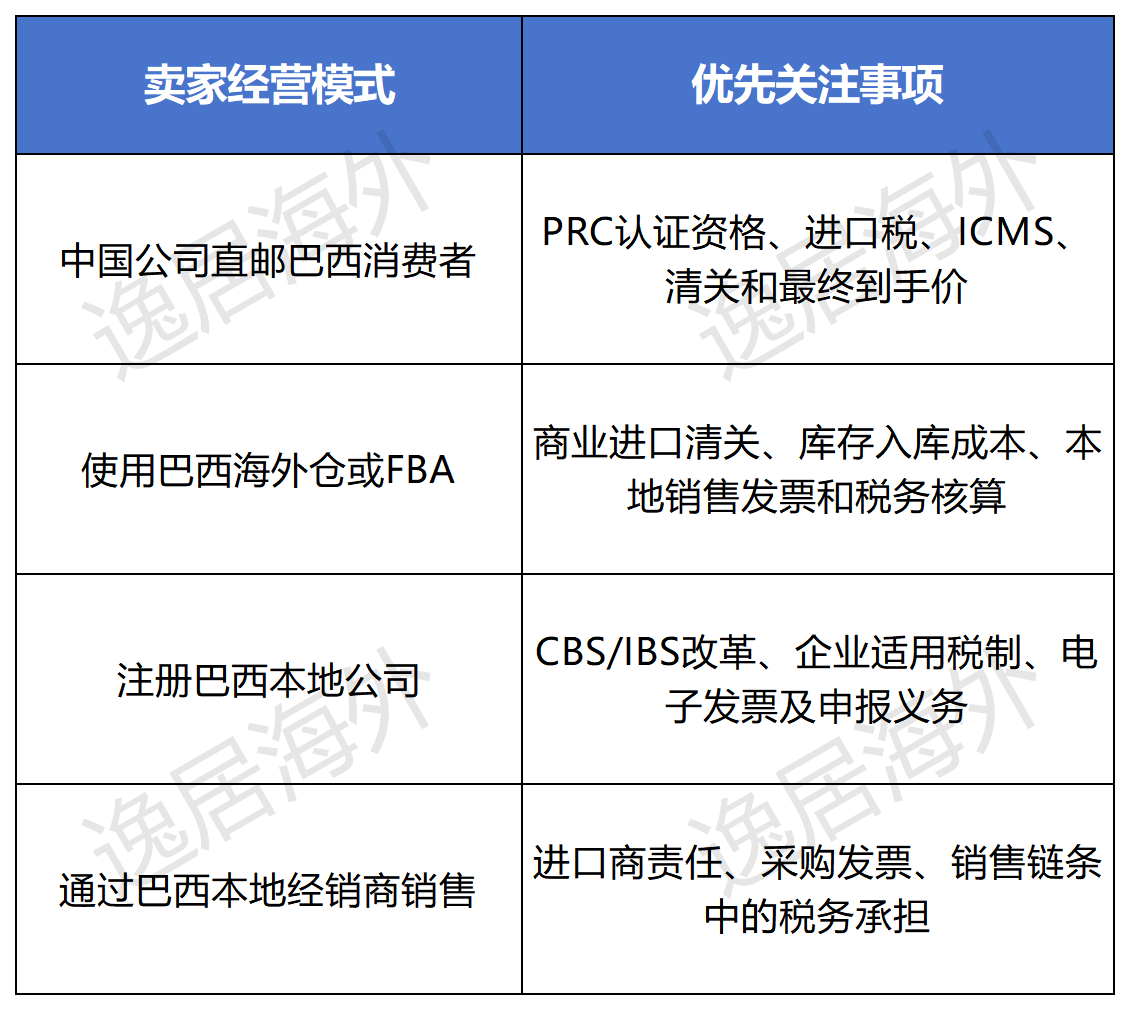
4. What should sellers with different business models prepare?
Sellers are advised to make four preparations now:
1. Confirm the actual business model
Distinguish cross-border direct mail, commercial bulk import, Brazilian local company sales, and overseas warehouse sales. Do not directly apply individual small-parcel tax rates.
2. Recalculate landed costs
Include import tax, ICMS, freight, customs clearance fees, and platform fees in your calculations, rather than only looking at product selling price and platform commission.
3. Check invoice and filing systems in advance
If using a Brazilian local company, contact local accountants to confirm testing-period obligations in 2026 and the system switch plan for 2027.
4. Reassess pricing strategy for Brazil
Import tax preferences for low-value cross-border parcels may affect competitiveness at different price points, but the final effect also depends on ICMS, logistics, and platform rules.
Final note:
Brazil still offers opportunities, but tax compliance should not focus only on the short term.
For cross-border sellers, the current priorities are import tax and ICMS, the CBS/IBS reform timeline, and local company invoice and filing requirements.
Sellers planning Brazilian local companies, overseas warehouses, or FBA should sort out their business model and tax arrangements in advance to avoid cost and operational problems caused by incorrect rule interpretation.
That is all from Yiju Overseas. Feel free to leave comments and discuss.