 Echotik data
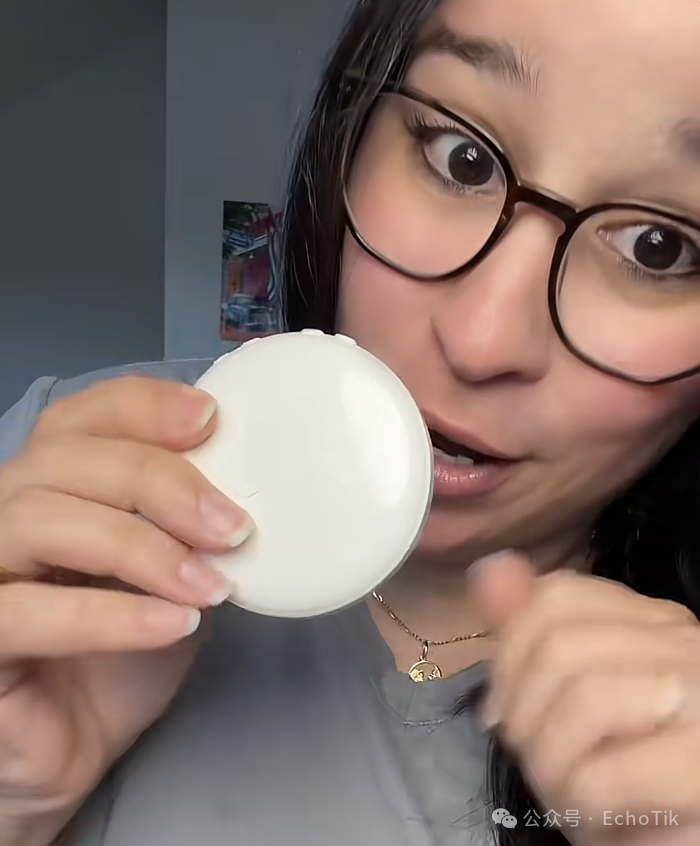
A Hispanic blogger posted a video on TikTok.
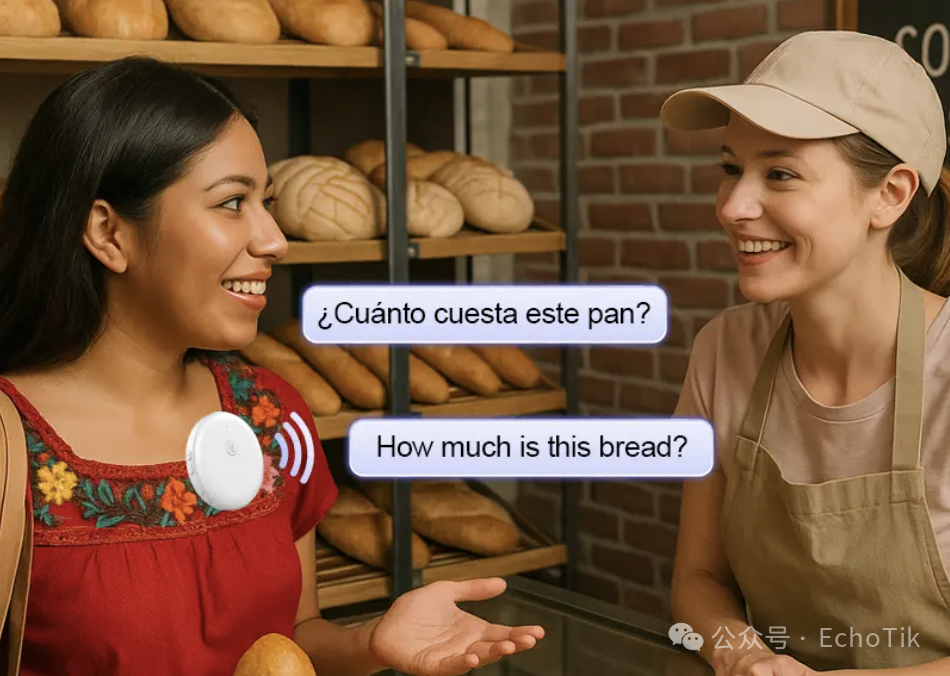
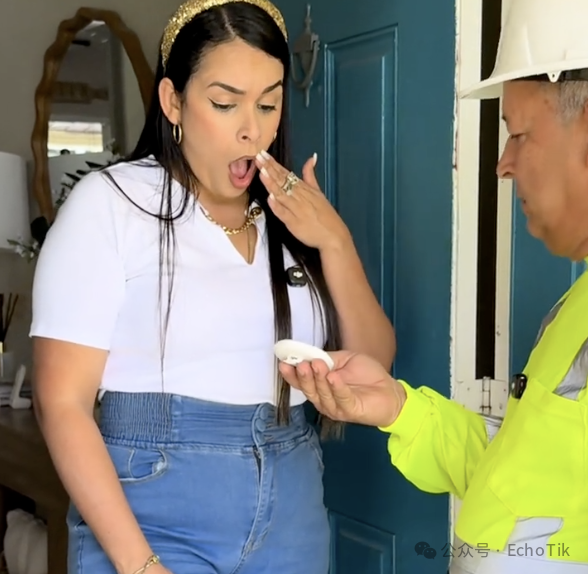
She clipped a small disc to her collar and said something in Spanish. Then she released the button, and the next second, the translator repeated it in fluent English.
It was seamless, with no delay, and her expression said, "This is so convenient."
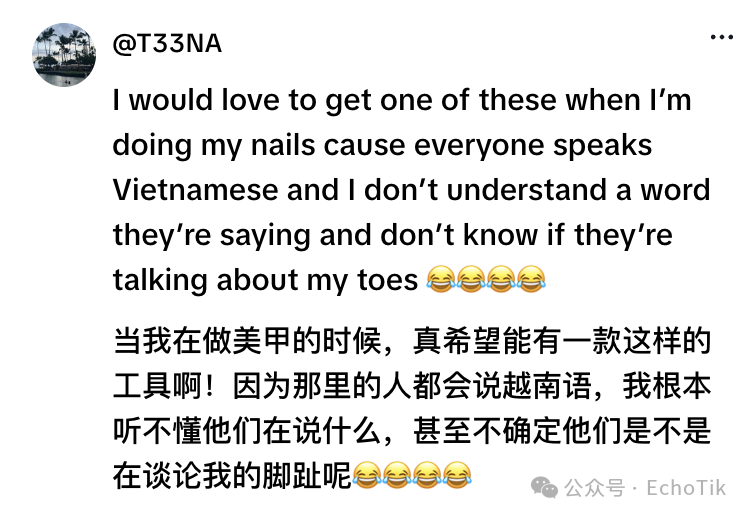
The comments section exploded.
"I need to bring it for my nail appointments."
"I bought it based on your recommendation. I need this to communicate with my American supervisor."
"I was born here and speak both languages well, but my mom and siblings don't."
Similar Spanish-language videos made this product go viral.
A translator barely larger than a coin—how did it sell so well on TikTok just through the action of "clipping it to a collar and speaking"?
01
What exactly did this viral product get right?
According to the latest data from EchoTik, this clip-on AI translator from Shenzhen brand YZM Store has sold 19,900 units in just two months, with GMV exceeding $822,000 (about 5.58 million yuan).
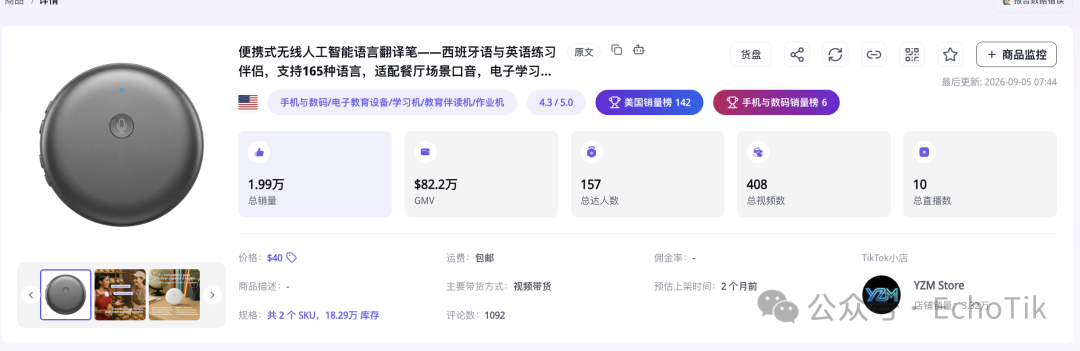
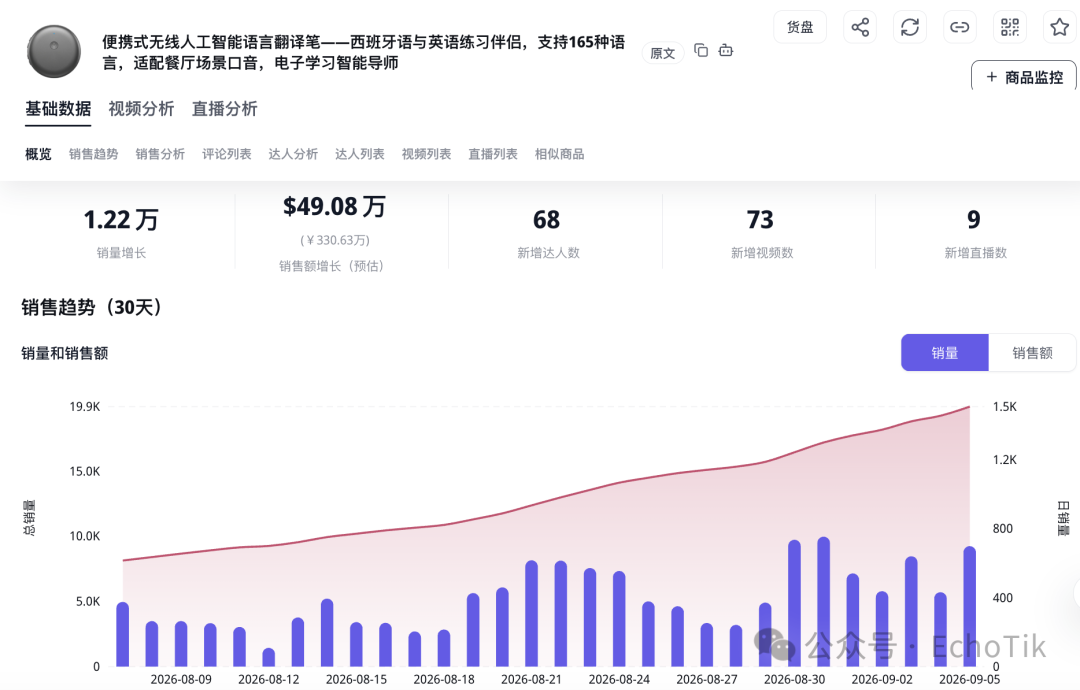
In the last 30 days, it sold 12,200 units, with GMV of $490,000 (about 3.3 million yuan), ranking second in TikTok US's phone and digital category. The product is still growing fast, far from reaching its ceiling.
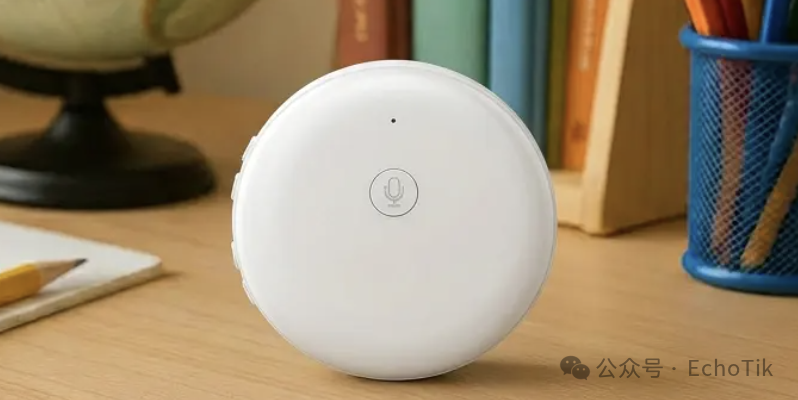
In appearance, it is a small disc smaller than a palm, weighing only 35 grams. It can be clipped to a collar or hung around the neck.
No need to hold it, no need for earphones—it doesn't occupy your hands or ears.
But its core selling point isn't "lightness"; it's the extremely precise scenario positioning.
It supports real-time two-way translation between 165 languages and English, with a latency of only 0.5 seconds, making conversations nearly seamless. Paired with a mobile app, it offers an AI conversation companion and native pronunciation correction, enabling both instant translation and speaking practice.
At $40, the pricing lands precisely in the "want to buy but not too expensive to try" range.
But what really made it go viral wasn't these specs—it was tapping into a seriously overlooked market.
02
40 million Hispanic Americans: an overlooked translation need
Most translator brands are competing for the "travel abroad" scenario, where users use it once or twice a year and then put it away.
This translator bets on another scenario: daily communication for non-English speakers living in the US.
According to the latest data released by Pew Research Center in October 2025, the US Hispanic/Latino population has grown from 35.3 million in 2000 to 68 million, with nearly 40 million people of Mexican origin.
These people switch between Spanish and English every day—going to the hospital, ordering food, visiting nail salons, talking to their children's teachers. Translation isn't an "occasional use"; it's a daily necessity.

This isn't a "trial" demand from travel scenarios; it's a high-frequency, essential demand.
One commenter said, "This is great for healthcare workers"—that's the best validation.
Hospitals see Spanish-speaking patients every day who need to communicate. A clip-on translator is much faster than pulling out a phone and far cheaper than hiring an interpreter.
Whether a product can go viral depends not on how powerful its features are, but on whether there is a group of people who "need it every day."
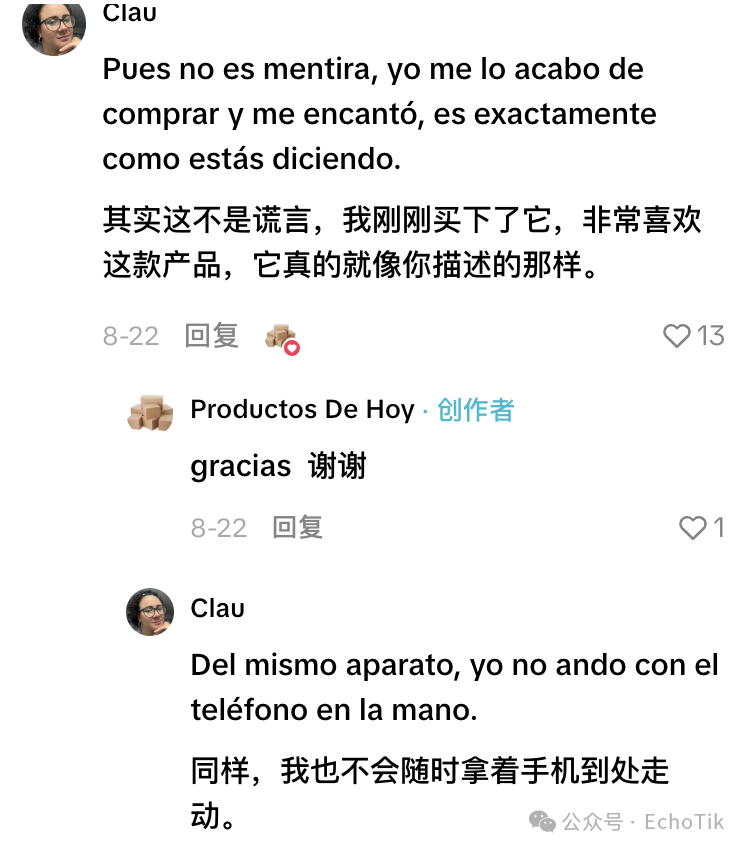
Many demo videos went viral on TikTok simply by showing this product. Bloggers didn't talk about tech specs, language count, or battery capacity.
They did only one thing: clip on the translator, speak Spanish, and let the translator speak English.
In the comments, people asked "How do I order?", "Will it work in Germany?", "How do I clip it to my collar?" Viewers went from curiosity to inquiry to purchase intent all by themselves.
The product did the "selling point education" on its own.
03
What can sellers learn from this?
This case sends three very direct signals.
Signal one: When choosing a product, ask "Who needs it most?" rather than "Who can use it?"
Most translator brands make products for "everyone"—travelers, language learners, business travelers. It sounds like a large audience, but each group uses it infrequently.
This translator chose a specific group: 40 million US Hispanics who "need it every day." The more specific the user, the more rigid the demand, the weaker the competition, and the larger the profit margin.
Signal two: Product design should serve "high-frequency usage scenarios."
The clip-on design, 35-gram weight, 0.5-second latency—every design decision answers the same question: how to make someone who needs translation every day willing to keep wearing it, rather than tossing it in a drawer after one use.
If your product is "low-frequency," think about how to make it "high-frequency."
From "only for traveling abroad" to "use it at the hospital," from "only for travel" to "use it when ordering food"—every increase in usage frequency raises the market ceiling by an order of magnitude.
Signal three: Content should be "a 20-second demo," not "a 2-minute parameter explanation."
That video with 1.6 million views was under 20 seconds. Clip on the translator, speak Spanish, translate to English, done.
No scene explained "supports 165 languages," "0.5-second latency," or "AI conversation companion"—all these features were embedded in that 20-second demo. Viewers felt it themselves; you don't need to explain.
On TikTok, showing a product solving a problem is infinitely more important than showing product parameters.
04
Where is the next opportunity?
The viral success of the Shenzhen clip-on translator validates a logic: in a seemingly saturated 3C category, find a niche group that "needs it every day," then redefine the category with a product tailored to high-frequency usage scenarios.
Translators are not a new category. But "a translator tailored to the daily communication scenario of 40 million Hispanic Americans" is.
Power banks are not a new category. But "an ultra-thin magnetic power bank designed for 150 million US iPhone users' fear of running out of battery" is.
Earphones are not a new category. But "noise-cancelling earphones designed for Americans who commute three hours a day" is.
In every mature category, there is a group of niche users who "need it every day but no one serves them well."
Shenzhen sellers proved this logic in two months with a $40 clip-on translator.
The next category to be redefined may be right next to you.