
 Amazon Global Store opening

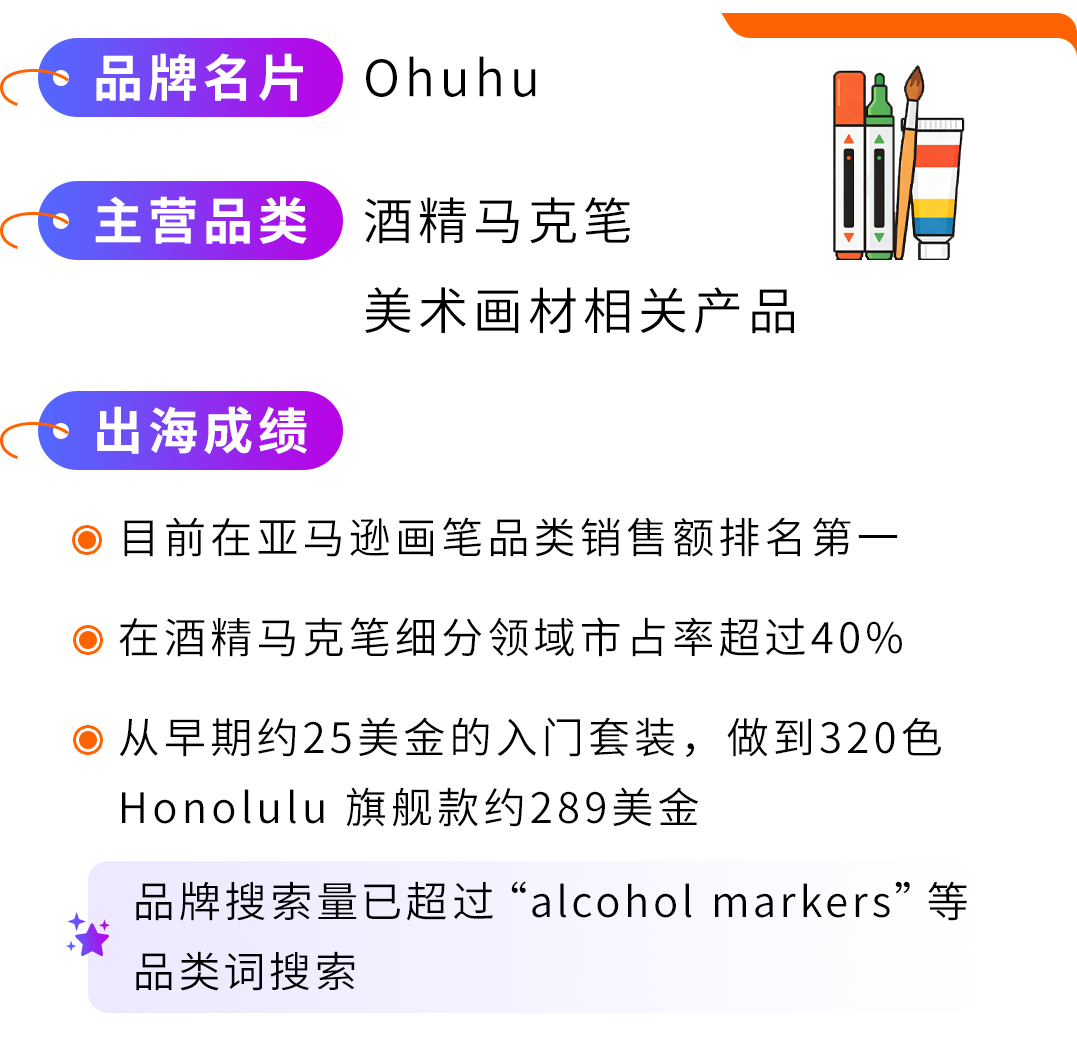
Ohuhu operates in the category of alcohol markers, which is not a new technological track. He Ding mentioned in his sharing that before Ohuhu entered this category, alcohol markers had long been dominated by well-known overseas brands, especially those from Japan, occupying the high-end price range, with a single pen selling for about $8; on the other end were a large number of low-priced brands, selling 48-color sets for just over ten or twenty dollars.
This means that on one side of the market are mature players with high prices and strong brand recognition, while on the other side are low-priced, highly competitive white-label products. It seems that there are not many opportunities, but Ohuhu found an opening, not by continuing to lower prices, but by redefining user value in the middle ground:to provide more creators with a professional-level product experience at a relatively affordable price.

Ohuhu's first key judgment was choosing a category with "passionate users".
He Ding, the founder of Ohuhu,mentioned in his sharing that a painting enthusiast will seriously tell the brand: the color transitions are not smooth enough, the blending effect is not good enough, the pen tip is not flexible enough, whether a soft head can bring more creative possibilities. These seemingly detailed issues precisely provide direction for product innovation.
It was also in this process thatOhuhu realized:
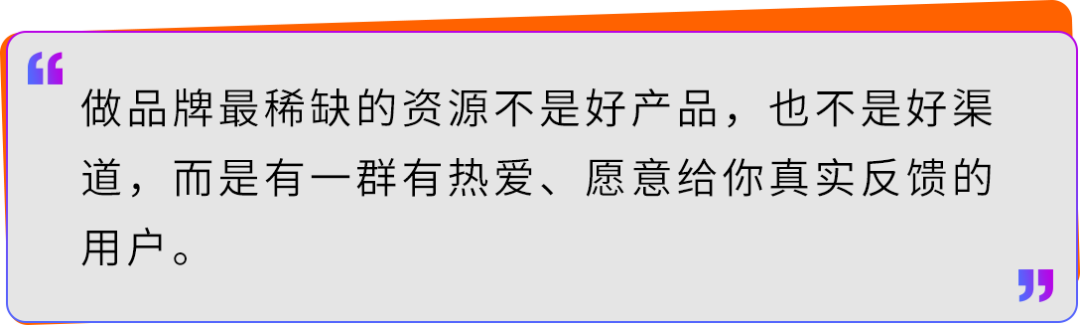
Many sellers focus on market size, search volume, number of competitors, price range, and gross margin when selecting products.But if the goal is to build a high-value brand, another dimension should be considered: whether users in this category are willing to express themselves, create, share, and even participate in improving the brand.
The brush category naturally has this foundation. Painting enthusiasts like to show their works, discuss tools, share colors, and exchange techniques. They don't just"use products," but also produce content around products, express aesthetics, and establish identity.
This is the premise for Ohuhu to build a successful brand flywheel:it faces not consumers who only compare prices, but users who are willing to create with products, express themselves with content, and drive brand iteration with feedback.

After choosing the right category,Ohuhu did not rely on large-scale advertising to boost sales at the beginning, but listened carefully to the earliest batch of users.
He Ding mentioned thatin 2010, when Ohuhu first started in the brush category, it had less than 100 followers. At that time, the brand had no fame and had also been involved in price wars. But what really helped Ohuhu escape price wars was not continuing to lower prices, but interacting and chatting with these 100 followers on social media.
He Ding said:
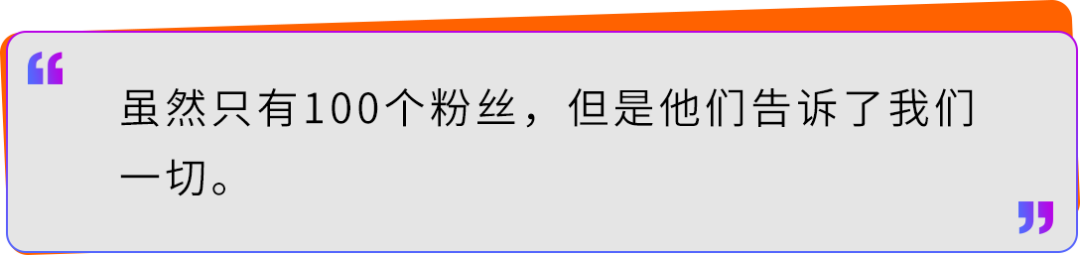
These 100 followers told Ohuhu: the more colors, the better, one red should have 20 variations; hard tips are not flexible enough, they hope for soft tips; it's wasteful to have to buy a whole set when a few pens run out of ink... So Ohuhu expanded from 48 colors to 72, then to 320 colors, created soft tips, and developed dual-tipped pens with one hard and one soft end, and further developed products with replaceable tips and refillable ink.
These improvements seem like product details on the surface, but essentially they solve real obstacles in the creator's experience.Ohuhu's user insights are not just asking "what product do you want," but constantly asking:What are you using now? What's not working well? What scenarios affect the experience the most? What improvements would make you willing to repurchase or even recommend to others?
Initial users may not be numerous, but they understand products, are willing to express themselves, use them frequently, and can represent core scenarios. Often,in-depth feedback from 100 real users is more valuable than 10,000 exposures.

Ohuhu's growth is not a one-way "develop new products - advertise - sell," but a continuous brand flywheel.
He Ding mentioned that the brush category itself has natural social attributes. Unlike categories like audio equipment, painting enthusiasts are naturally willing to share what brushes, pigments, and paper they use, as well as show their works. Therefore,Ohuhu's flywheel spins fast not because of hard promotion, but because it conforms to the most suitable way of communication for this category: community.
Ohuhu has also created sections like Coloring Gallery and Anniversary Celebration around this social gene, providing users with continuous reasons to create and share. In other words, these actions are not just marketing activities, but are continuously strengthening user engagement.
Later,Ohuhu discovered an important signal: the number of people searching for "Ohuhu" has surpassed those searching for "alcohol markers." He Ding believes this means the brand has begun to break away from the underlying logic of price wars—when users directly search for the brand name, it indicates they are not looking for the cheapest option in the category, but are coming for the brand itself.
这也是高价值品牌非常重要的转折点:从被动参与品类竞争,变成用户主动搜索的品牌选择,产品创新和品牌传播不是两件事,而是同一个飞轮的前后端。

As the flywheel keeps spinning,Ohuhu's relationship with its users has also changed. At first, it was users giving feedback to help improve products; later, users actively created content to help spread the brand; eventually, creators began to participate in product definition and work with the brand on products.
He Ding shared an example: Last year,Ohuhu collaborated with an Australian art blogger on a limited edition co-branded product, where the creator personally selected 48 colors. It took a whole year of testing and iteration to finalize the color scheme.
This case shows thatOhuhu's "listening to user voices" has evolved from chatting with 100 early fans to co-creating products with global creators.
He Ding summarized clearly: these things are essentially the same as chatting with 100 users on Instagram in the early days—making user voices into product decisions.

One of the most worth reviewing aspects of Ohuhu is how it gradually created price space in a low-priced category.
After becoming the category leader,Ohuhu faced two choices: one was to expand horizontally into categories like colored pencils, watercolors, and marker pens; the other was to continue to push up the price range vertically to build stronger brand premiums.
Horizontal expansion seems safer because of overlapping users, partially shared supply chains, and a relatively established market. But Ohuhu chose the latter: first building brand premiums, then expanding into categories.
He Ding mentioned thatOhuhu has expanded from an early starter kit of about $25 to the 320-color Honolulu flagship, priced at about $289. Supporting this price is not just more colors, but the brand redefining what a marker pen should be.
这就是高价值产品和高价格产品的区别:高价格只是标价,高价值是用户愿意为这个价格找到理由。
If users only see"more expensive," they will return to the price comparison logic. But if users see a richer color system, better pen tip experience, refillable ink, lower long-term usage costs, and stronger creator identification, the price has support.
He Ding also summarized that breaking through the high-price ceiling relies on word-of-mouth.Ohuhu was originally in a low unit price, low barrier category, but through technological innovation, industrial design, and user relationships, it still managed to price products around $300, and the premise of maintaining this price is word-of-mouth.

When Ohuhu became the market leader in Amazon's brush category, its next goal was no longer just sales volume, but to become the "mental first choice" for the global art supplies category.
He Ding mentioned in his sharing that in the past five years,Ohuhu has vertically broken the price ceiling. Looking ahead, on one hand, it will continue to push up alcohol markers, hoping to further increase the average price per pen, targeting three core user groups: art enthusiasts, color-relief stress relievers, and professional artists. On the other hand, it will also expand horizontally into related categories such as acrylic markers, because there is a 30%-40% overlap in users between alcohol markers and acrylic markers, with certain migration capabilities.
In addition,Ohuhu will continue to promote IP co-branded and cross-brand collaboration. He Ding mentioned that last year they cooperated with an American brand, and the first batch of 5,000 sets was sold out within ten minutes of going on sale. In the future, cross-brand collaboration will also become a regular action.
But from"category first" to "global brand," it's not just about front-end products and user relationships. He Ding also mentioned:
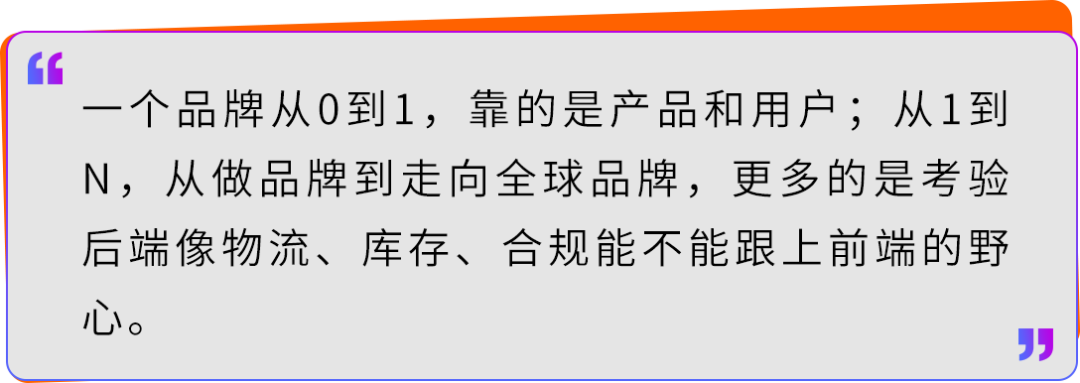
For high-value innovative products, the front end needs product strength and user relationships, while the back end needs global fulfillment, inventory management, compliance capabilities, and platform collaboration. Only when both front and back ends keep up can the brand truly go global.

In summary, Ohuhu's development process is not just about making low-priced substitutes, but through a "brand growth flywheel," connecting product innovation, content dissemination, and brand mindset. Even in traditional hot categories, as long as you can find passionate users, understand real feedback, and connect products, content, and word-of-mouth into a flywheel, Chinese brands can still move from "selling goods" to "being chosen," from "category first" to "mental first choice"!
And innovation never happens in isolation. The birth of a good idea may come from user feedback; a product breakthrough may come from supply chain collaboration; a brand's growth may also come from higher frequency connections between Amazon, sellers, and users.
If you have any questions about Amazon, you canuse the link ( https://wsurl.cc/wg4chn) or scan the codeto contact the official customer development manager: