
 Cross-border information
Black Friday is approaching. While ocean freight is still at sea, content “reservoirs” are already filling up.
A small update in the TikTok Shop managed seller backend is drawing attention: after the Content Center upgrade, “Post Photos” and “Photo Generator” are now open to eligible sellers. Sellers no longer need professional crews; with clear product detail page images, platform tools can generate shoppable image-text content, turning good products into good content more directly.
Small change, big implications.
From “Filming” to “Clarity”
Previously, content e-commerce was blocked after the camera: needing talent, editing, and constant updates. For many SMEs, the goods are fine but they “can’t shoot.”
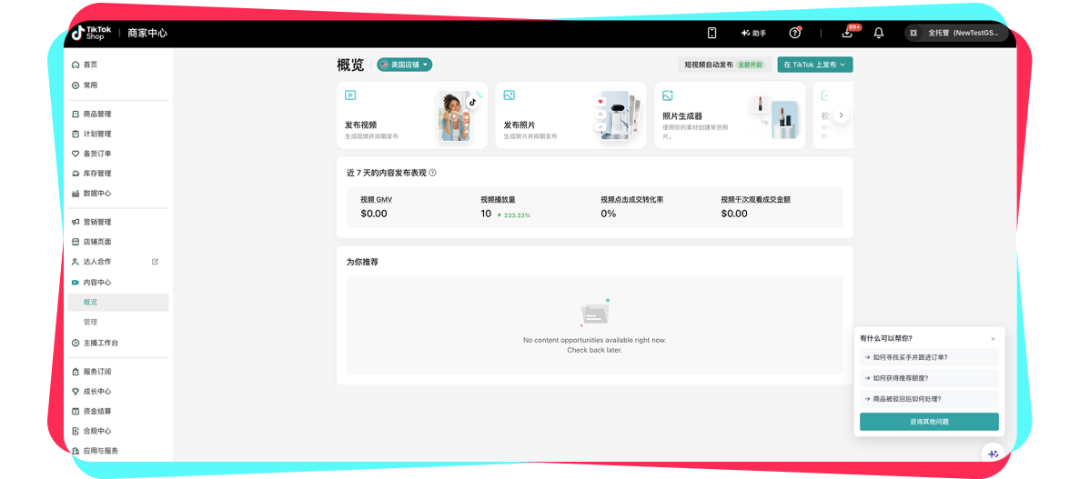
This upgrade brings the content production chain into one entry: Overview handles posting, auto-distribution, AI generation, and data; Management shows published content, materials, projects, and QC records. Upload one white-background product image, and the system can add scene images, feature explainers, or digital try-on images, then publish with a product link.
“Tools don’t replace good products, but they help them be seen,” said a managed menswear seller. Reshooting a short video used to take two or three days; now, with a clean base image, content scheduling can be done in half a day.
Clean Base Images Make Content Stand
The platform is direct: AIGC accuracy depends on the base image.
White-background images without models, complete subjects, and accurate photos—once basic detail-page rules—now become the first checkpoint for content material. Watermarked, off-color, or spliced old images confuse the AI, producing people and scenes that look wrong.
Take note: the detail page is not the tail end of the shelf but the source of content. Managing product images as content assets costs less than last-minute reshoots.
Link Accounts and Authorize Management in Advance
To catch this content opportunity, sellers need to do two key things: first, link and authorize account management; second, optimize detail-page materials.
Key Action 1: Link Accounts and Authorize Management
Only after account linking and authorization can the platform automatically select quality products from the store and generate better image-text or video content, driving more exposure and pre-Black Friday content buildup.
Managed sellers should complete both steps as soon as possible to amplify product advantages. Follow the paths below.
Binding entry: Log in to Seller Center with the main account, tap the avatar in the upper right, go to “My Account — Link TikTok Account,” switch to the target country, and create or link an account per the prompts.
Authorization entry: Go to “Content Center — Overview,” tap “Auto-publish short videos,” select the target account, read and check the terms, and confirm. Available account numbers and entries depend on the current page.
Key Action 2: Optimize Detail-Page Images; Platform AIGC Helps Create Hit Image-Text Content
Will AIGC images look distorted? Some worry. In fact, detail-page material directly affects AIGC results. Images must be clear and complete—use white-background shots without models, and ensure images match descriptions and actual products. Higher image quality boosts AIGC accuracy; it can add scene images, feature explainers, or digital try-ons to original product images.
Key Action 3: How to Post Image-Text Content and Notes
Photo Generator is now open to authorized sellers. Go to “Content Center — Overview,” tap “Post on TikTok — Post Photos,” upload images, adjust the order, select products, add descriptions, hashtags, and music. If you don’t see the entry, contact your platform manager.
Before publishing, check product links, copy, and disclosure settings, and preview. You can upload 2–35 photos; 9:16 vertical ratio is recommended. Actual operations depend on the current page.
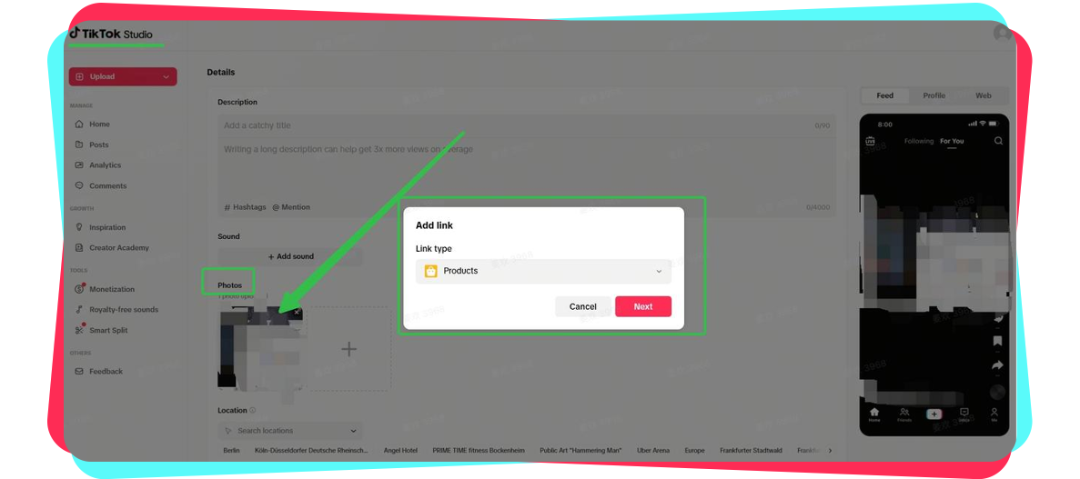
After posting, sellers can select photos under “Content Center — Management — Published Content” and view status and performance by product ID or time. Some tools are still in testing; contact your platform manager if you don’t see them.
Focus on quality over volume. Invest in material quality and selling points. As long as each piece is polished, posting 2–3 times per day is enough.
The Bigger Global Logic Behind a Small Entry
Cross-border e-commerce used to compete on supply chains, logistics, and price; now content capability is becoming a new variable.
By putting AI tools into seller backends, the platform essentially returns content capability from a few teams to industrial-belt sellers. People who know products don’t need to become directors to explain why their goods are good.
This year, from AI avatars of Yiwu sellers to managed image-text generation, tech dividends are spreading along the foreign-trade chain. Policy supports new cross-border e-commerce formats and better overseas warehouse layouts; platform tools keep cutting costs and improving efficiency. The “last mile” for Chinese goods is shifting from channel competition to content competition.
One image, one link, one market.
Black Friday is only the start. For more SMEs, the real preparation is not buying another camera, but making every product image stand up to both machines and the world.