 AMZ123 Cross-border e-commerce
In consumer electronics, Anker and Ugreen are the two most frequently compared brands. They started in the same category at nearly the same time, but after more than a decade they have grown into very different companies.
In 2025, Anker surpassed RMB 30 billion in revenue, while Ugreen reached a record RMB 9.5 billion—Anker is roughly 3.2 times larger. But scale is not the whole story. As Chinese consumer electronics brands move from selling products to building global brands, they are answering the same question differently: where to go next?
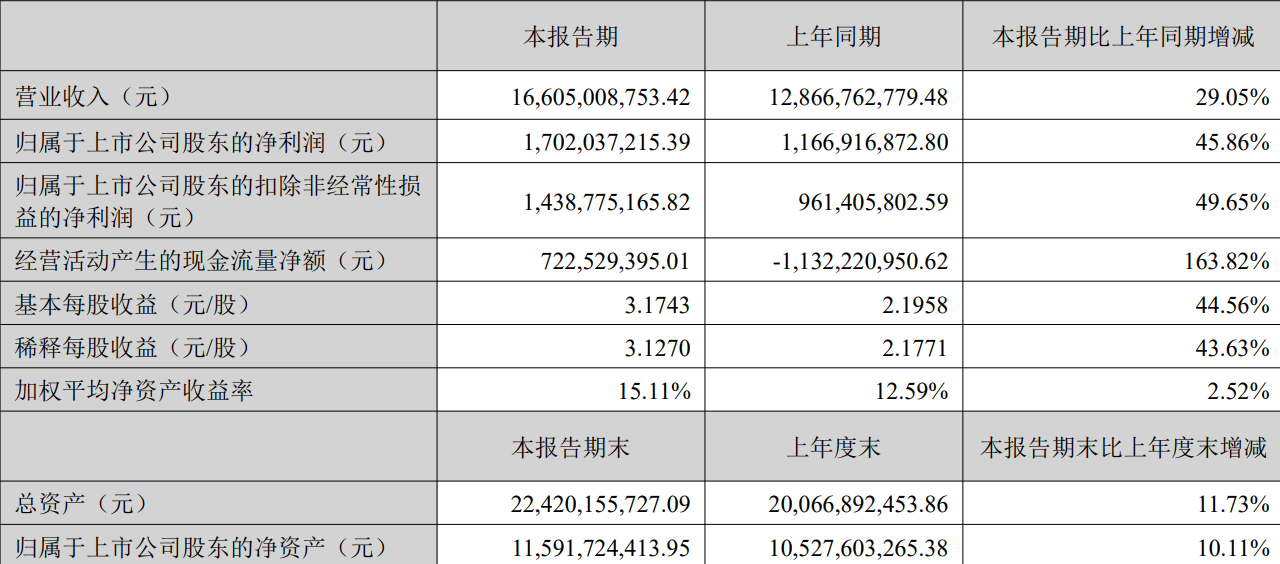
In H1 2026, Anker Innovations and Ugreen both delivered solid results. Anker posted revenue of RMB 16.605 billion, up 29.05% year on year, and net profit of RMB 1.702 billion, up 45.86%.
Ugreen posted revenue of RMB 5.821 billion, up 50.92%, and net profit of RMB 431 million, up 56.90%.
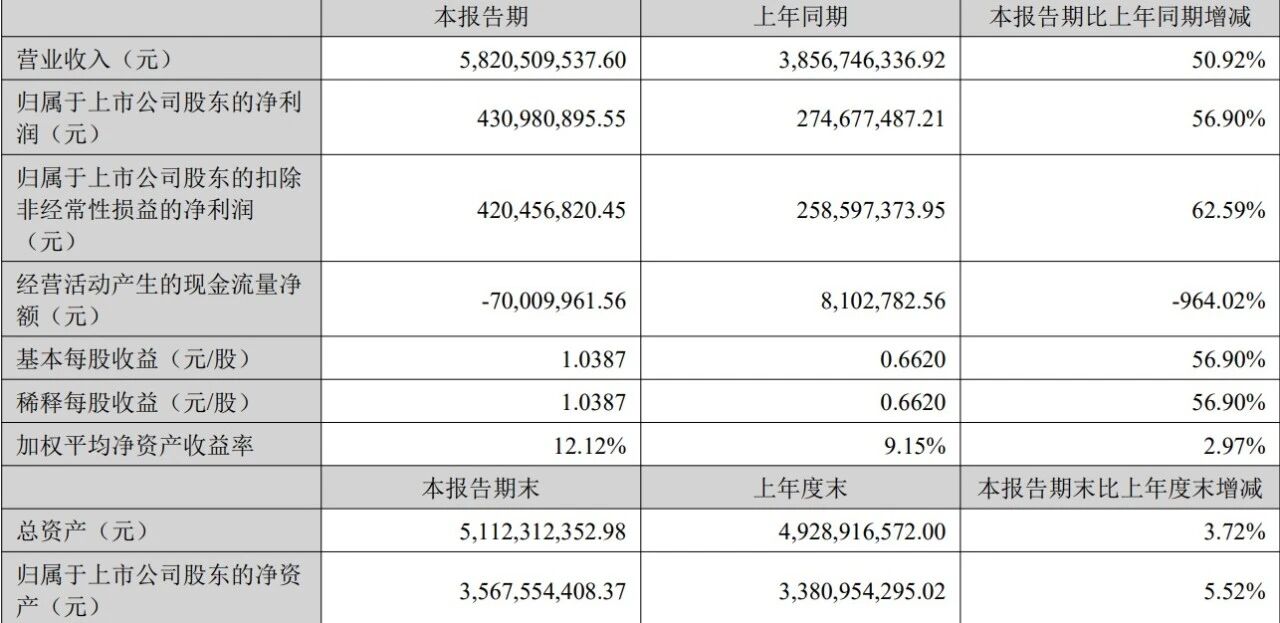
Anker is nearly three times larger, but Ugreen grew faster. However, Anker’s gross margin is over 10 percentage points higher and its net margin nearly 3 points higher. In the low-margin accessories category, that gap defines two different business postures.
Both brands began from OEM manufacturing and later shifted to branded products built on China’s supply chain. Their paths diverged when facing the growth ceiling of low-threshold charging accessories.
Anker expanded outward with a multi-brand, multi-category strategy. Beyond core charging and energy storage, it entered smart home, creative printing, maternal and baby products, forming the Anker, eufy, and Soundcore brand matrix. Its platform-based R&D, organization, channels, and supply chain allow capabilities to be reused across categories. For example, GaN technology from charging extends to energy storage, and self-developed edge AI noise reduction is used in audio products. In 2025, Anker’s R&D spending reached RMB 2.893 billion, 9.48% of revenue, with R&D staff at 56.3%, building a technology moat for brand premium.
Ugreen took the opposite approach. It kept the single UGREEN brand and expanded “connection” from a data cable to whole-home charging solutions. Its expansion follows technological depth, user scenarios, and channel synergy, moving from charging into office, audio-video, and storage. Its product matrix is a natural extension of underlying capabilities rather than simple category stacking.
This reflects different strategic choices: Anker relies on technology barriers and capability reuse; Ugreen relies on channel operations and supply-chain efficiency. In 2025, Ugreen’s gross margin was 37.01% and net margin 7.42%, versus Anker’s 45.07% and about 8.3%. Ugreen spent RMB 438 million on R&D, a 4.61% R&D ratio, nearly seven times less than Anker. It outsources mass production, focusing on product definition, industrial design, and channel operations—an efficiency-driven scale business with lower margins but lower marginal expansion costs.
In 2026, both companies moved toward “A+H” listings in Hong Kong. Anker submitted again in June and listed in July; Ugreen submitted in February and again in August. Their capital needs differ.
Anker’s revenue grew from RMB 17.5 billion in 2023 to RMB 30.5 billion in 2025, with stable gross margin around 43.9%. But operating cash flow fell 82.49% in 2025 to RMB 481 million, and was negative in Q1 2026 before turning positive in Q2. High inventory and receivables are draining cash. Its IPO net proceeds of about HKD 4.523 billion will support overseas supply chain upgrades and localized R&D.
Ugreen’s revenue doubled from RMB 4.8 billion in 2023 to RMB 9.486 billion in 2025. Its NAS private cloud second curve is growing fast, with smart storage revenue up 213% in 2025. However, in H1 2026, operating cash flow was negative RMB 70.01 million; inventory increased by RMB 468 million to RMB 2.458 billion, nearly half of total assets, inventory turnover days rose from 98 to 113, and receivables rose nearly 40%. Its Hong Kong IPO funds will go to R&D, product development including NAS, brand building, and channel deepening.
3C accessories remain a low-moat business. Anker and Ugreen have both found their own playbook, but their old engines are slowing while new engines are still burning cash. The core test for both is whether the old engine can stabilize and the new engine can become self-sustaining.
AMZ123 Comment: The divergence between Anker and Ugreen highlights the importance of brand positioning—technology premium versus scale and cost efficiency. Sellers should clarify positioning early and adjust product and marketing strategies based on channel structure and R&D investment.
Source: AMZ123 Cross-border E-commerce
Original link: https://www.amz123.com/t/UIGmzZKn