

In 2003, when Jack Chen entered the personal protective equipment (PPE) industry, he started at a relatively high point. He had worked for two century-old companies, focusing on gloves and safety shoes, accumulating solid quality control experience and a mature supply chain resource, which also gave him a keen judgment of product quality.
In 2010, with years of accumulation, Jack Chen officially started his entrepreneurial journey, starting with the traditional offline B2B foreign trade model and steadily making progress in the familiar field.
However, as the traditional foreign trade price war intensified and industry competition became more apparent, Jack Chen gradually realized that relying solely on the original model was difficult to support long-term development. In 2016, the company officially launched the brand HANDLANDY, focusing on the hand protection segment. In 2017, he decisively entered Amazon and began to explore a new path from the general trade model to the transformation of its own brand.


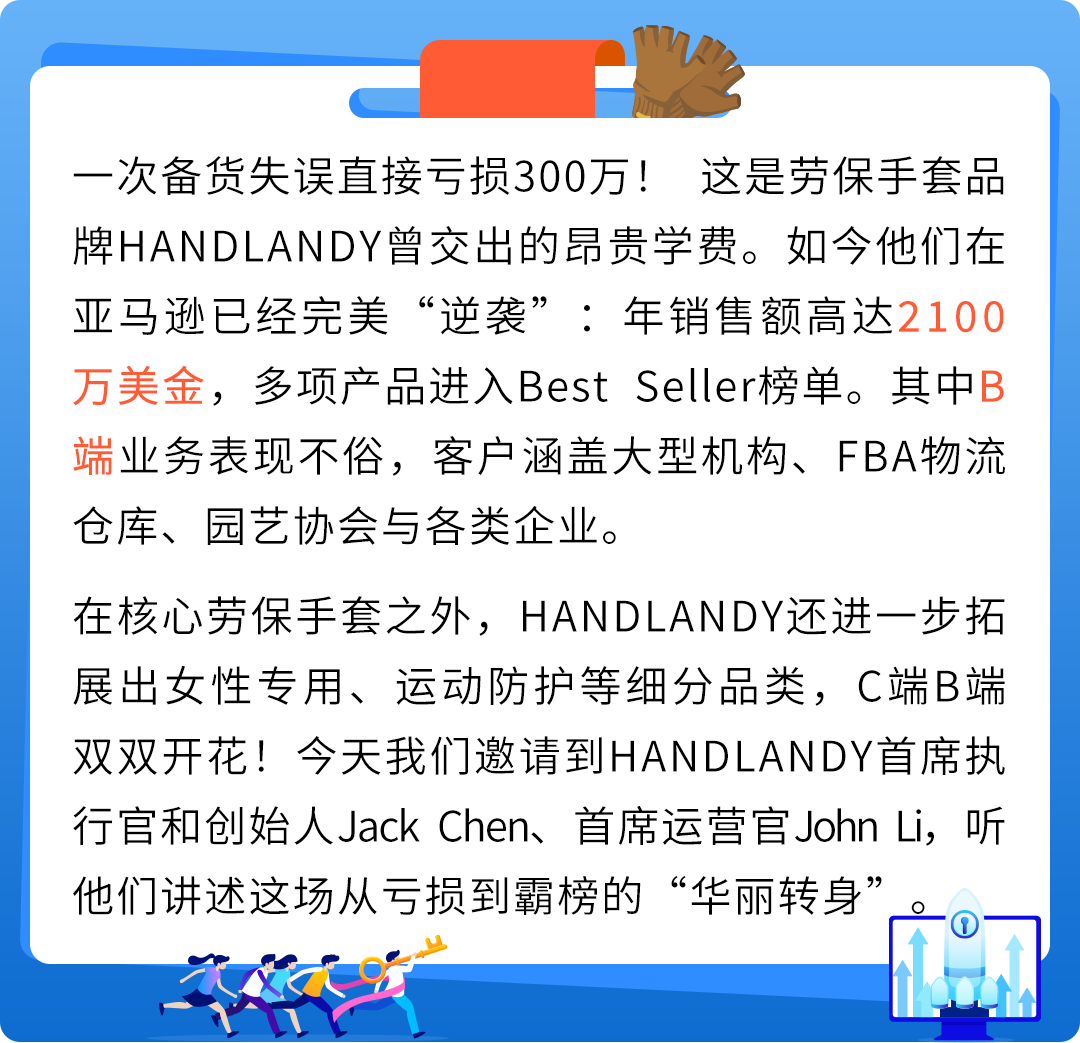
In the early stages of transformation, due to the lack of cross-border talent, Jack Chen also took a detour. Between 2017 and 2019, he still operated cross-border e-commerce with traditional foreign trade thinking and paid a high tuition fee in inventory management. The team once developed 7-8 bright color matching for a product at one time and covered all sizes from S to 4XL, resulting in nearly 30 SKUs for a single link. Coupled with the long sea transportation cycle, the bright-colored models originally prepared for spring were launched in winter, resulting in serious overstocking, and this product alone brought a direct economic loss of 3 million yuan.

The real turning point came in 2022. John Li, who was more familiar with the logic of cross-border e-commerce operations, joined the team and promoted the overall thinking to transform into data-driven, quickly bringing changes:
(1) On the one hand, color grading based on sales data: Level one is popular colors, and level two and three are secondary colors. At the same time, no longer blindly spreading colors, but focusing procurement and inventory on level one and two colors, which together account for about 70% of the inventory structure.
(2) On the other hand, a full-link reverse inventory management mechanism was introduced: Combined with meteorological data to predict sales rhythm, strictly control FBA inventory turnover within 9-12 weeks, and set clear goals for clearing inventory of seasonal products.

As the business gradually got on track, HANDLANDY devoted more energy to a slow but important thing - deep insight into users and product iteration upgrade.

Jack Chen said frankly that compared with traditional foreign trade business, the biggest difference of Amazon lies in that brands can directly hear the real voices of front-line users. Even as the number of comments continues to grow, he still insists on personally checking the negative comments of key links and regards them as the most direct and valuable product feedback.

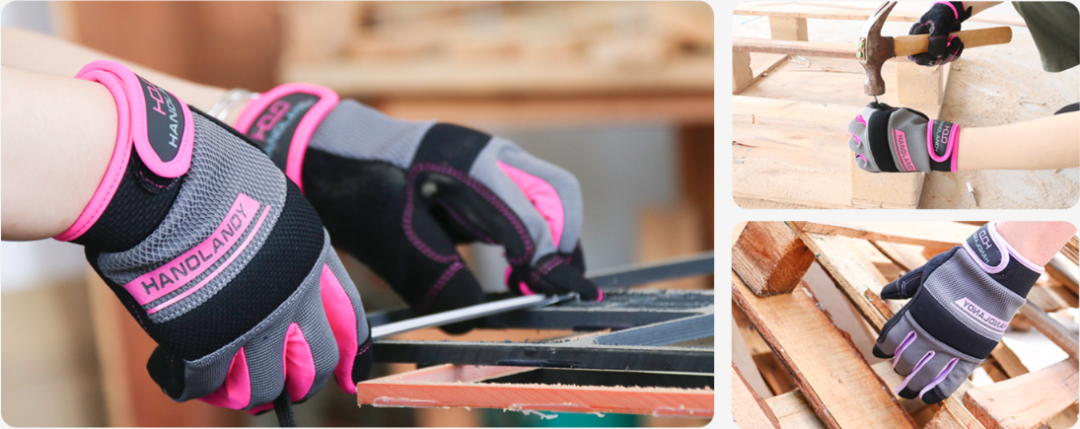
In the process of continuously studying user feedback, Jack Chen turned his attention to a group that had long been overlooked - female users. He found that in the category of labor protection gloves, there has been a long-term shortage of women's special products, and many women can only be forced to choose small sizes for men, which not only does not fit the hands but also affects the user experience and safety. "Why can't labor protection gloves be tailored for women?" Focusing on this issue, HANDLANDY started with the product structure, redefined the design standards for women's hand shapes, and systematically optimized the wearing experience without sacrificing protection performance. Eventually, this niche category, which was overlooked by many sellers, grew into an important product line that contributed approximately 35% of the brand's sales.

In the daily order analysis, some recurring ordering behaviors gradually showed unusual signals. Between 2019 and 2020, some customers placed orders up to 50 times a year, and the repurchase rate of enterprise customers for a single product even reached 76%. These eye-catching orders made Jack Chen gradually realize that Amazon is not only facing a huge number of individual consumers, but also hides a blue ocean of B-end behind it.

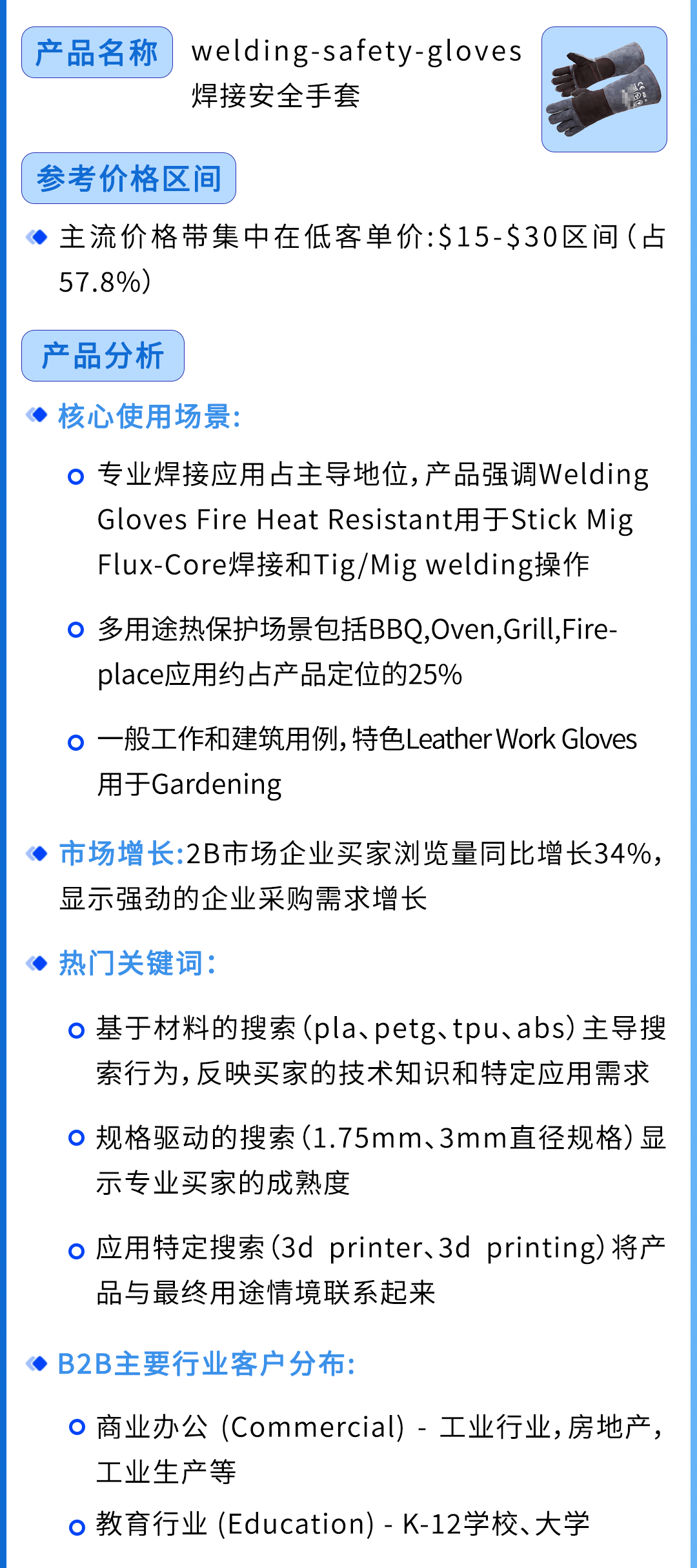
With further analysis of customer portraits, Jack Chen found that these high-frequency repurchase orders did not come from ordinary individual buyers but pointed to a group of stable institutional clients, including logistics warehouses, horticultural associations, and even government and fire protection agencies.
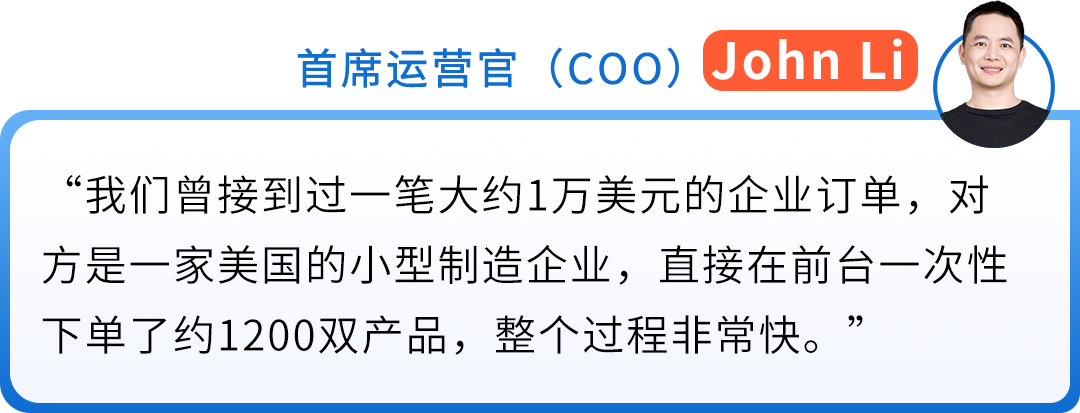
More unexpectedly, in addition to traditional labor protection gloves, some categories that were originally regarded as typical C-end products have also begun to show signs of B-end demand. John Li introduced that a certain sports glove has recently seen frequent batch orders of dozens of pairs. Further dissection revealed that such orders mostly came from relevant training schools or industry organizations, revealing a previously overlooked corporate procurement scenario.

Tip:
Your store may already have B-end orders! The ASIN of the Amazon store is, by default, available for both C-end and B-end sales. Follow the steps below to enter the B2B platform to view your store's B-end sales:
Step 1: Log in to the seller platform
Step 2: Click the button at the top left corner to open the menu and click B2B > B2B platform

In order to accurately undertake orders that meet both the general needs and hardcore professionalism, HANDLANDY has moved away from blind stocking and established a "dual-track" product selection approach.
(1) Basic models: Stabilize the general need with iterative thinking : For high-frequency general need products, the team established a fixed mechanism to collect negative comments, continuously optimize processes and structures, and use long-term product strength to build competitive barriers for hot-selling products.
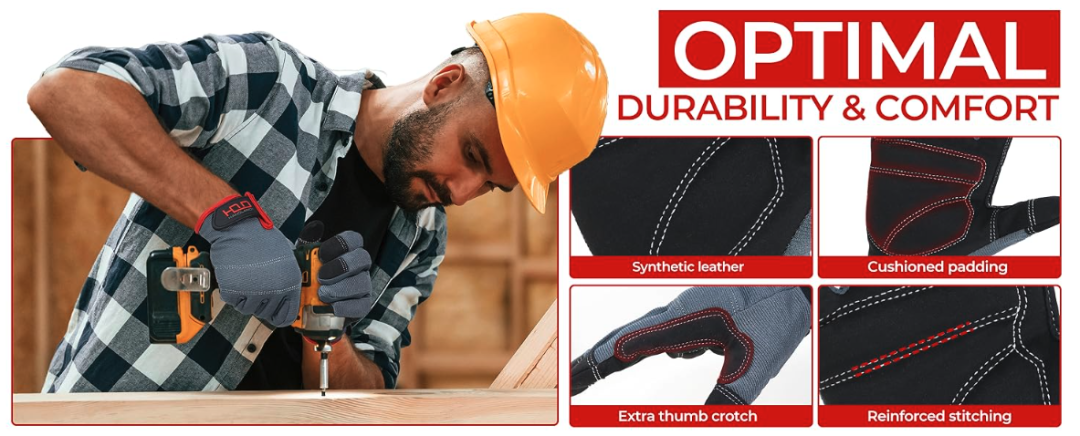
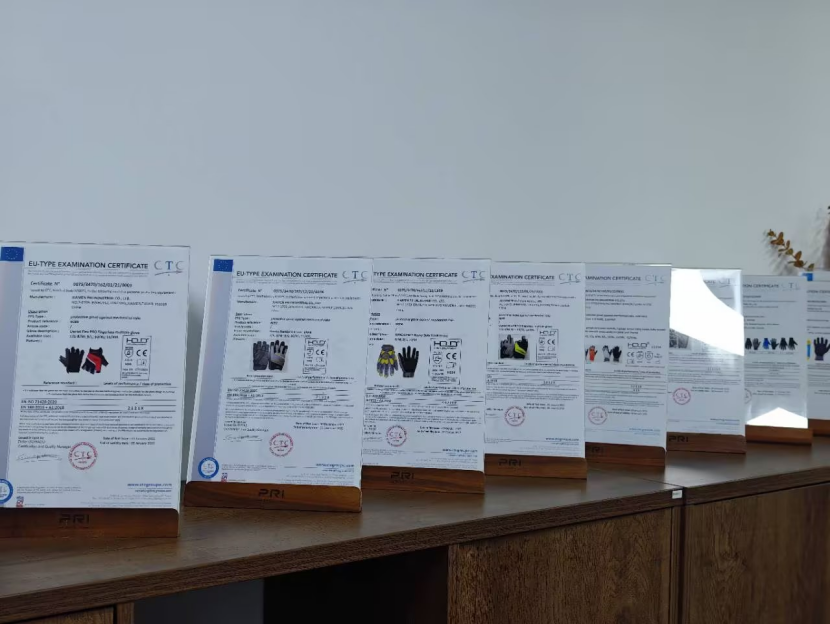
(2) Professional models: Use technical advantages to create differences : Introduce hardcore technologies such as anti-cutting and anti-puncture accumulated in traditional foreign trade into product design to create higher value-added professional models. Among them, the professional feedback of B-end customers has also become an important reference for product polishing. For example, a patented glove was pointed out by an institution that the Velcro on the cuff was too hard and might accidentally open in specific scenarios. The team quickly adjusted the material and structure, which not only solved the military pain point but also improved the user experience of C-end consumers.

(1) Take advantage of the gift economy to expand new B-end procurement scenarios: In the traditional understanding, labor protection gloves are more regarded as functional products, but on the US site, many small and medium-sized enterprises will purchase gloves in batches during the Christmas season as employee benefits. This demand has extended gloves from a single tool to enterprise gifts that can be purchased on a large scale, which requires corresponding advance inventory planning and advertising arrangements.
(2) Lock in the back-to-school season node and release peak season demand: Take rugby sports gloves as an example. Every year from August to September, schools and clubs will concentrate on supplementing equipment. During this stage, combined with promotional mechanisms and increased advertising investment, order volume has increased by approximately three times.

In order to undertake corporate orders more efficiently, John Li systematically used Amazon's corporate procurement tools to gradually improve the operation mode of corporate orders.
(1) Use large packaging to match the centralized procurement habits of enterprises: Launch large packaging combinations of 6 pairs, 12 pairs, or even more than 100 pairs, which is more in line with the centralized procurement habits of enterprise customers and effectively spreads the unit performance cost.
(2) Set enterprise price quantity discounts (BPQD) to amplify the scale of single orders: Set 5-7 quantity discount gradients, with the highest discount reaching more than 30%, guiding customers to expand the procurement scale. Through BPQD, orders have gradually migrated from hundreds of pairs to hundreds of pairs, with an increase of at least 50%.
Operation Guide: BPQD Setting Path
(1) Set enterprise discounts for all products with one click: Seller Central > Pricing > Automatic Pricing > Corporate Catalog Rules
(2) Flexible automatic pricing rules (for setting enterprise discounts for some ASINs): Seller Central > Pricing > Automatic Pricing > Create New Pricing Rule
(3) Quickly set enterprise discounts by uploading a table: Search for "Batch Upload Corporate Prices" in Seller Central, download the "Corporate Dedicated Upload Data File", and set batch price discounts for products through the file template
(4) Set enterprise discounts for individual ASINs: Seller Central > Inventory Management > Corporate Product Prices/Add Quantity Discounts
(5) Combine corporate procurement-specific advertising to make placement more targeted: Use Sponsored Brands (SB) to cover potential corporate customers, and then use Sponsored Products (SP) and Sponsored Brands Video (SBV) to undertake search traffic with clear needs, making advertising investment more matched with order structure.
Looking ahead, Jack Chen firmly believes that slow is fast. HANDLANDY will continue to uphold long-termism, consolidate its global layout, and delve into the fields of labor, sports protection, and hand protection. The future HANDLANDY will not only focus on hands but also evolve into a one-stop protection solution covering the whole body, precipitating true brand thickness on the road of long-termism.