 Amazon Global Store opening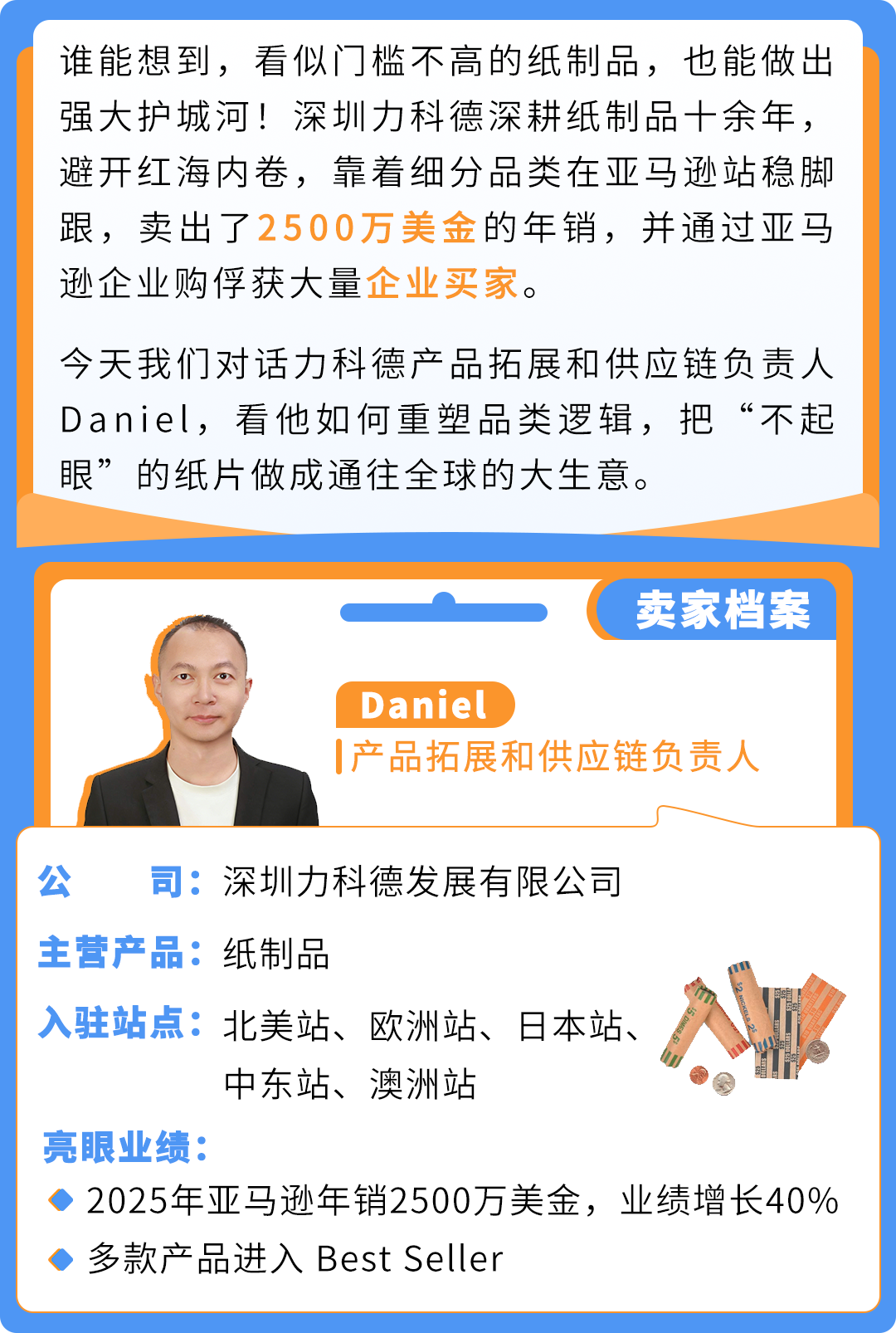

Before becoming an Amazon seller, Daniel was an expert in the paper products industry. From structural design to supply chain management, he was well-versed in materials, processes, and differences in overseas demand.
In 2015, Daniel established a foreign trade factory based on his experience. He discovered a differentiated niche: coin wrapping paper, money binding paper, and other segmented products had huge overseas demand,but domestic factories rarely ventured into this due to unfamiliar processes and unwillingness to invest in mold modification costs. This allowed him to enter a market segment with more stable profits and less competition, avoiding the crowded market. As the market environment changed, the inventory pressure of traditional trade and the wealth effect of the cross-border circle prompted him to consider: Is the cross-border paper product business a small venture or a broader market?
To verify his hypothesis, Daniel used a "clumsy method": he added links to similar hot-selling products to his shopping cart,and by repeatedly adjusting the quantity, he quickly judged the other party's stock scale, then calculated the value based on cost. When he found that the inventory value of a single link could reach millions, he was convinced this was a true blue ocean market.
In 2017, Likede officially joined Amazon, completing the key step from foreign trade to cross-border transformation.

When discussing his successful experience on Amazon, Daniel's insight was: cross-border e-commerce is not simply trade transportation; the underlying logic of pricing and product selection determines the brand's living space.
At the beginning, he still used the traditional foreign trade pricing logic: pricing based on cost plus a layer of expected profit. As a result, the product was initially cold due to high prices. In 2018, he found through a cost-price clearance thatonce the ranking improved, even if the price returned to a reasonable range later, sales remained stable. This trial and error made him realize: on Amazon, the key at the starting stage is not to make a profit, but to use pricing to test the market and prioritize stabilizing rankings. As long as the product experience is good, users will not be lost due to price adjustments.
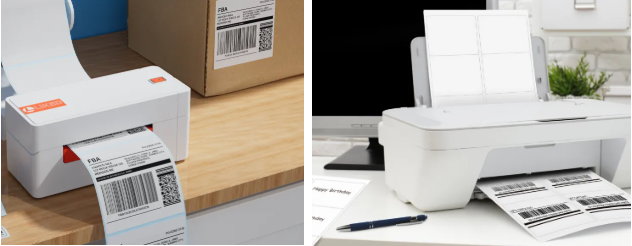
After understanding the rules, Likede began to precisely position its ecological niche:highlighting cost-effectiveness, delving into segmented tracks that domestic peers are unwilling to enter due to unfamiliar processes and unwillingness to modify molds.Gradually, from money binding paper and coin wrapping paper, it extended to other paper products such as transportation logistics labels. Taking4x6 thermal labels as an example, the product precisely targeted the immediate pain points of "not sticking, not waterproof, not scratch-resistant" labels, and could still be clearly identified after long-distance transportation, gaining widespread favor with consumers.
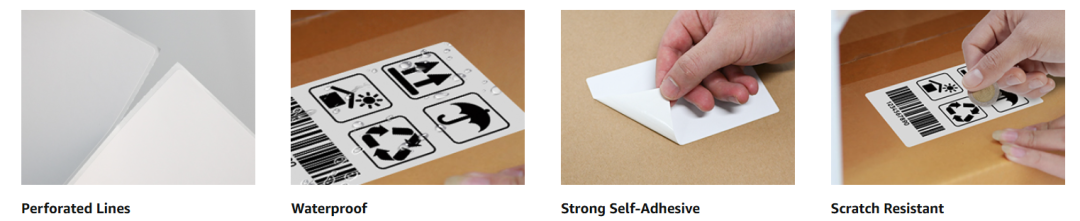
With this"stable cost-effectiveness + focused optimization of detail experience + stable and sufficient inventory reserves", Likede's lottery coin wrapping paper products have successively topped the Best Seller list; at the same time, thermal labels and laser labels have also gained the trust of B-end consumers and become TOP suppliers. This set of methods verifies the feasibility of the differentiated path.

Initially, Likede mainly focused onthe C-end market to accumulate brand reputation, but the backend data sent out unusual signals: store data showed that Likede had stable corporate repurchase orders, and there were also customers who actively inquired about bulk purchases and customization needs.
This made Likede realize: Amazon not only connects hundreds of millions of individual consumers but can also directly reach global corporate buyers.
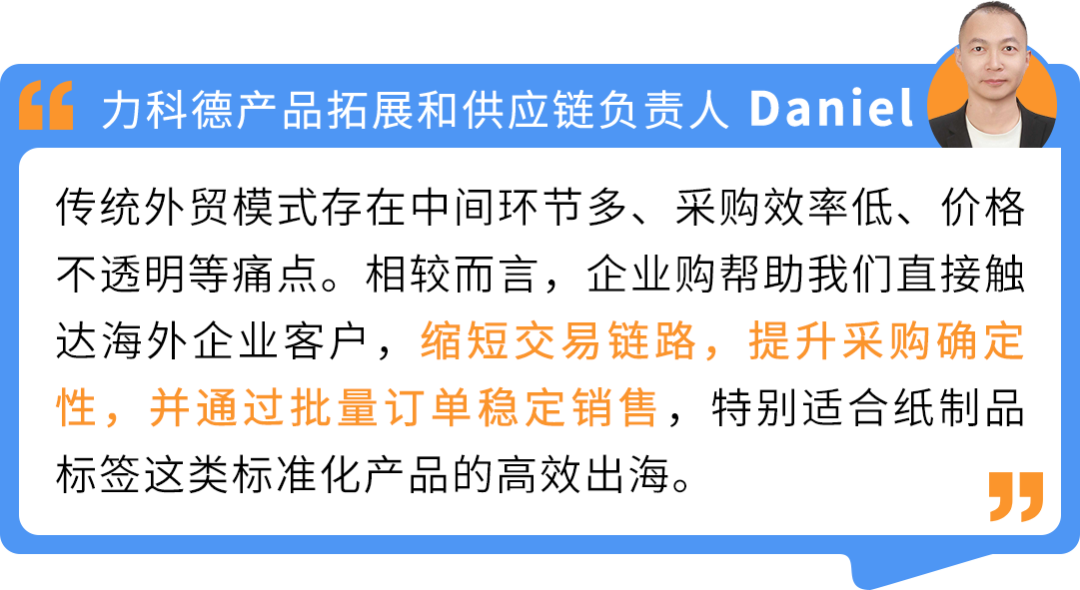
Therefore, Likede opened a dual-track drive mode, gradually forming a dual-track layout ofC-end brand building and B-end batch capture.
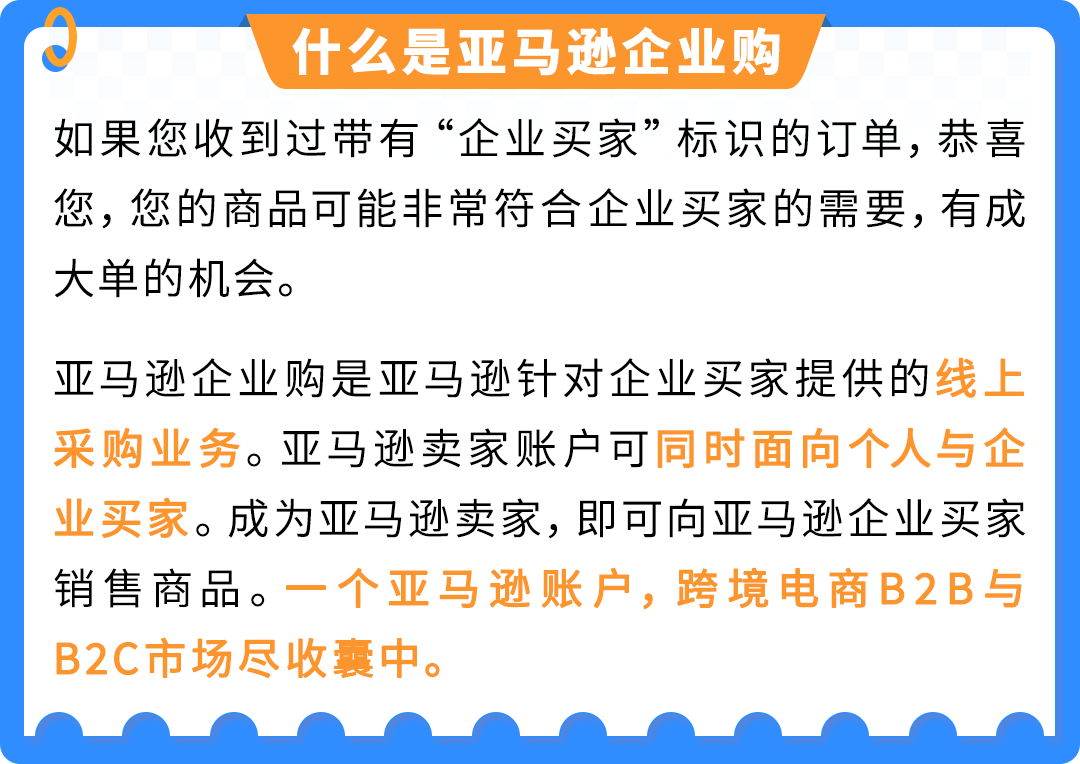

B-end customers' decision-making logic is more rational, and the key to conversion lies in trust and efficiency. Therefore, Likede designed the order-driven link into three steps:
(1)Product Selection:
Focus onsolving industry pain points, such as developing high-temperature resistant synthetic paper labels to meet the usage requirements of manufacturing and other scenarios; optimizing label paper weight without affecting use, reducing costs and prices. Currently, the industrial-grade label series supplied exclusively toB-end accounts for 30% of new product development, precisely matching the storage and logistics management scenarios of small and medium-sized enterprises
(2Listi