 Seller's Home
On September 16, Baijing Chuhai's Singapore study tour entered its third day, covering four stops: Glints on Southeast Asia employment; Ascentium on enterprise services; FizzDragon on AI content; and Similarweb on traffic data.
The four companies sit in different tracks, but at Ascentium, a cross-border payment executive offered a unifying idea:
He split global expansion into two stages: "soul leaving the body" and "physically going overseas." The first means registering an overseas shell company with no staff or office, controlled remotely from China; the second means truly landing—renting offices, obtaining licenses, and hiring teams.
1. People: Singapore for expertise, Indonesia for scale
Glints said the biggest hiring pitfall for Chinese teams in Southeast Asia is applying domestic standards to local markets. For engineers with 3–5 years' experience, the monthly cost is about RMB 32,500 in Shenzhen, RMB 57,300 in Singapore, and RMB 11,500 in Indonesia.
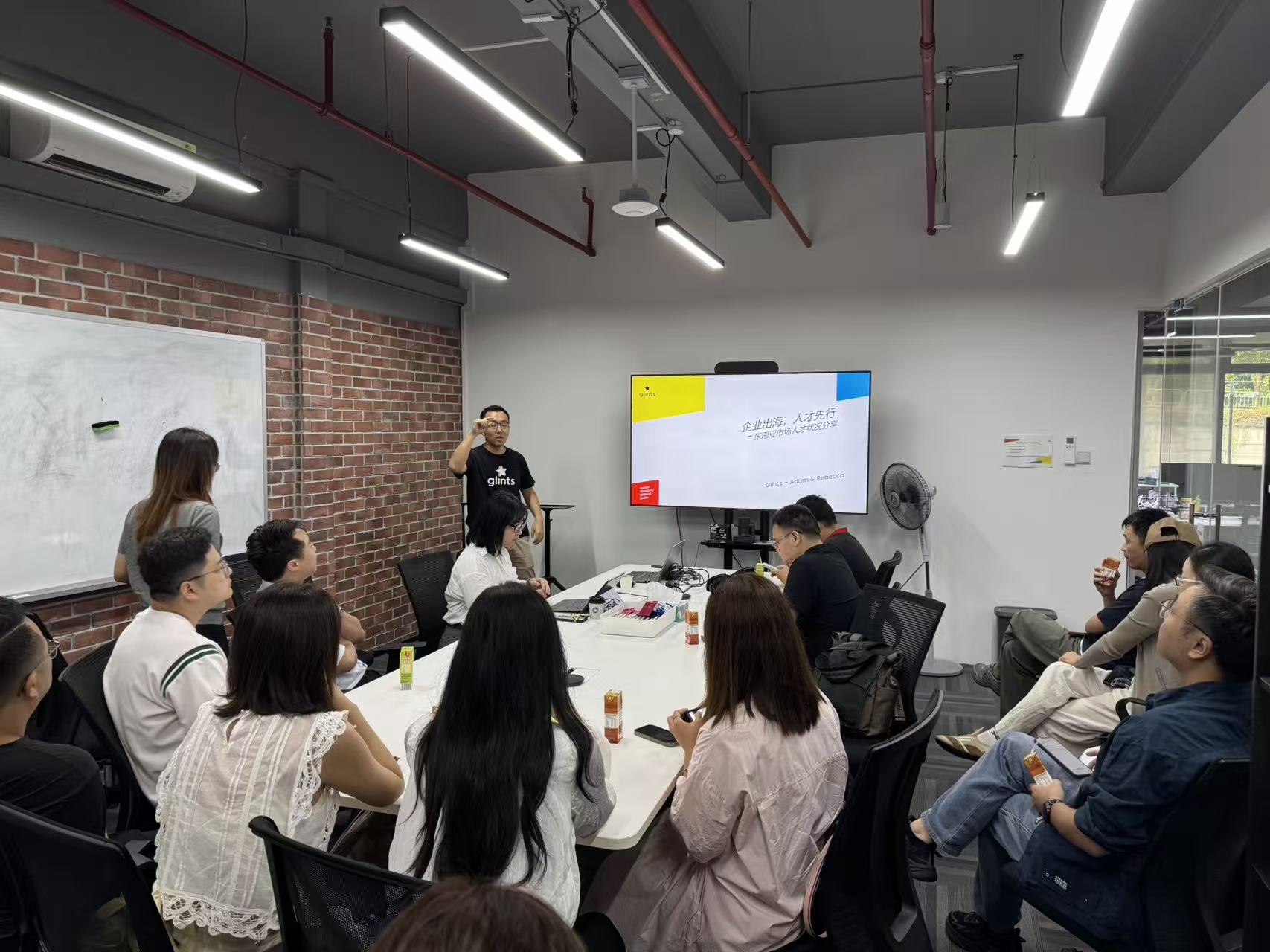
Singapore is expensive but justified; Indonesia is cheap but has trade-offs. Singapore's high cost comes from living pressure and labor law as a "floor" rather than a "ceiling": statutory annual leave is only 7 days, but graduates typically get 14. National service also means local men graduate at nearly 26.
Indonesia's severance cost is about six months' salary, 1.5–2 times China, and onboarding takes 3–6 months. Core advice: hire the right person, not the cheap one.
Glints mapped roles: Singapore for regional management and R&D; Indonesia for marketing and execution; Malaysia for back-office; Vietnam for tech; the Philippines for customer support. Cross-border sellers can hire remote Indonesian marketers via an EOR for RMB 5,000–6,000 monthly, but should localize sales cautiously.
2. Company: Registration takes a week; maintenance takes all year
Ascentium, backed by Hillhouse, covers 27 markets and has 3,000+ employees; 99.9% of its China team's clients are Chinese firms. Top questions include ODI filing, overseas tax structure, bank account opening, local compliance, and CRS 2.0 global tax risk. Account opening causes the most complaints.
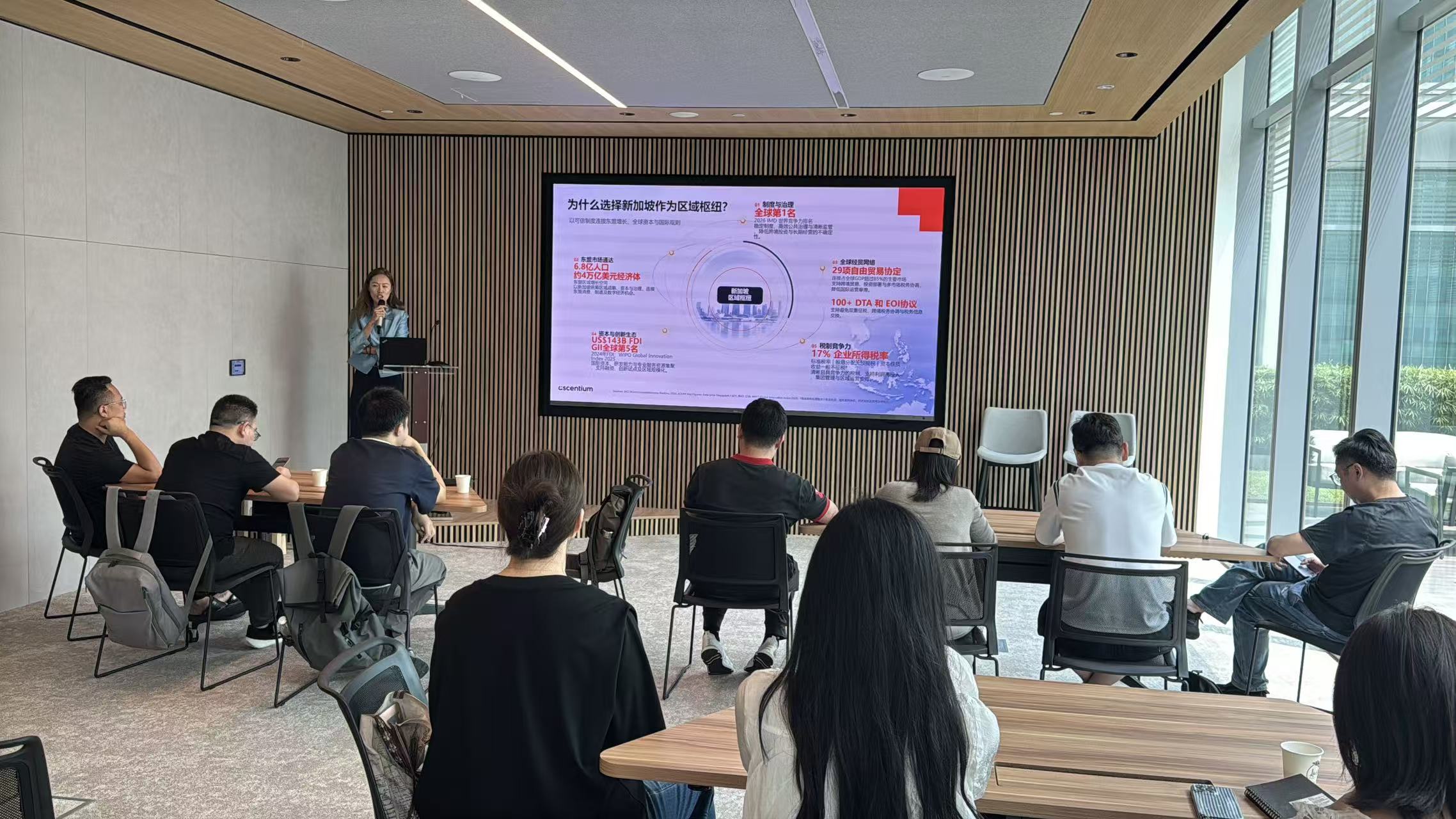
Registering a Singapore company takes about a week, but opening a bank account takes 1–1.5 months. Under ACRA rules, foreign investors need a registered filing agent, a locally resident director, and a company secretary within six months. The real risk is ongoing compliance.
Case study: Cogolinks, under Hi Sun Technology, set up in Singapore in late 2021 and obtained an MPI license in 2026. Lessons: start trademark registration early and follow annual filing deadlines; many companies find entities abnormal after months of neglect. Choose a service provider that does the work directly—one urgent signature was delayed because work had been subcontracted through layers.
Why Singapore? It is ASEAN's most capital-rich market, transparent, English-speaking, and common-law based. That supports "Singapore +1": keep management, capital, and tax in Singapore while spreading manufacturing, sales, and delivery. Money flow is critical—delayed ad payments during Black Friday can close the traffic window.
3. Content: Generation is not scarce; orchestration and distribution are
FizzDragon, incubated by SMU, has about 10 staff in Singapore/Hong Kong and 40 in Suzhou/Nanjing. Its view: video generation is no longer scarce; orchestration and distribution are. According to DataEye, in H1 2026, there were over 220,000 new AI short dramas, but only 0.47% exceeded 100 million views.
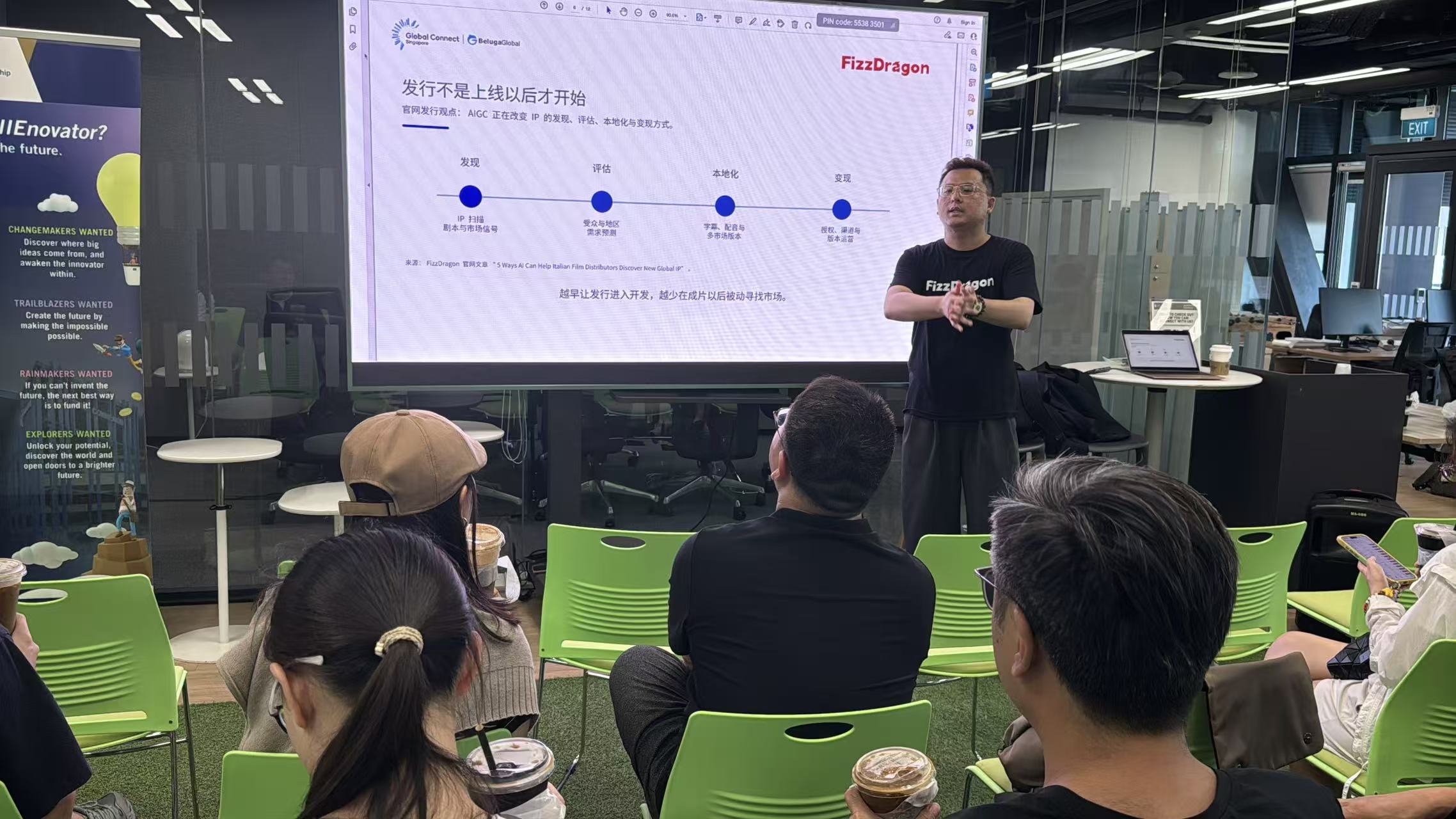
Its OPC (One Person Company) model uses one creator plus AI agents. A 2–3 person team can complete an interactive film/game: writer, director, and post-production coordinator. For S.E.A. Aquarium, the team revised a promotional video from realistic to cute, then produced a Halloween version, all within half an hour.
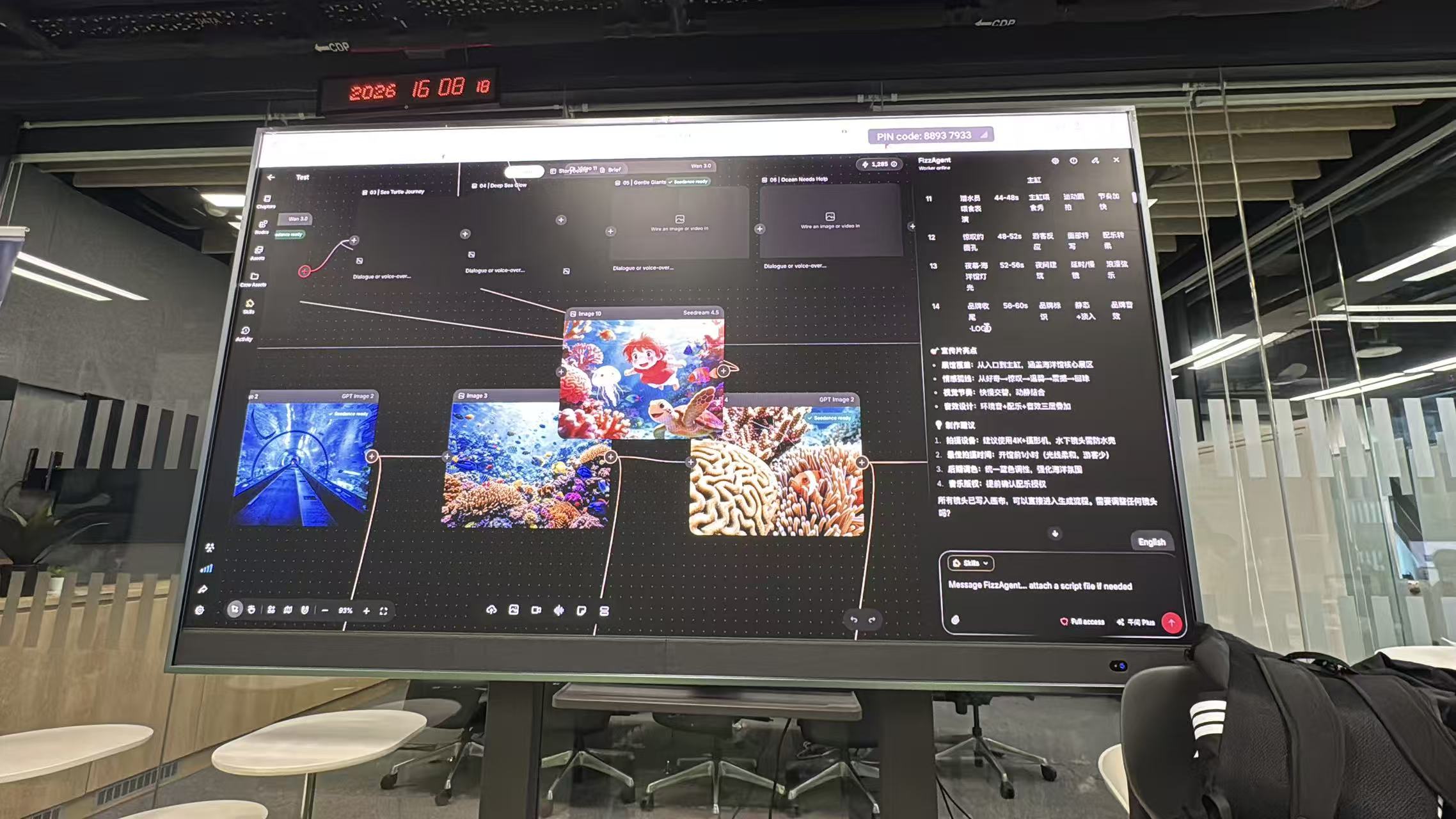
When asked why clients need FizzDragon if tools like Jimeng can generate video, the answer: tools solve generation; FizzDragon connects talent, production, distribution, cinemas, and overseas channels. Its 64-minute AI film Trace Project screened at Golden Village in August.
The interactive experience required "anti-algorithm" choices; most visitors were matched to "event planning." Five interactive works with Nanjing cultural tourism will launch during National Day. For sellers, AI cannot judge which market, audience, or cultural context fits a creative.
4. Traffic: Search remains the base, but the entry point has changed
Similarweb, headquartered in Israel and listed on NYSE in 2021, uses Singapore as APAC headquarters with a lean SEA team. Its data comes from a real-user browser plugin panel, not crawling, so it can map the full path from video views and clicks to cart and purchase.
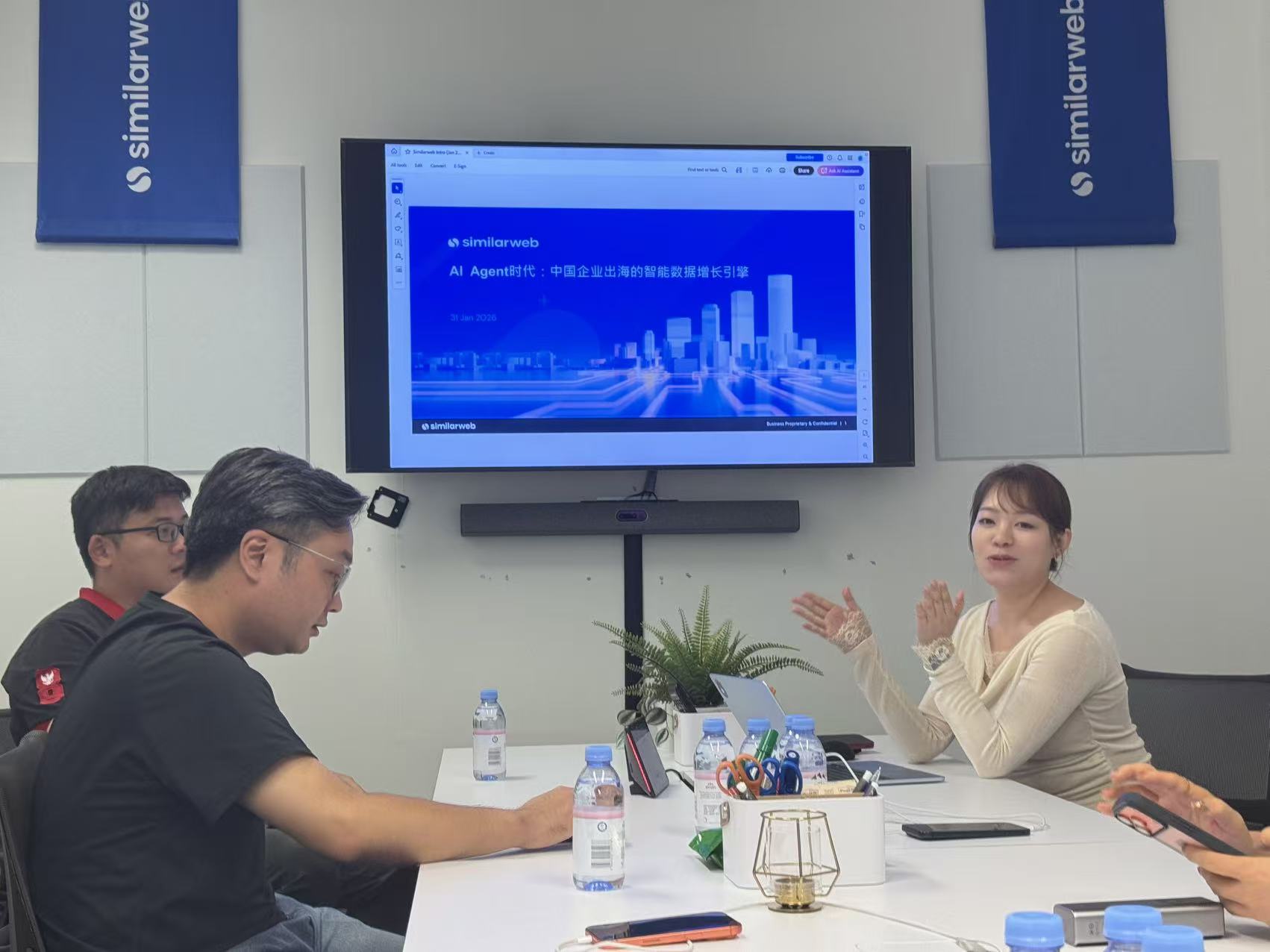
Customers are shifting from large firms like Tencent and Alibaba to vertical sellers such as pet supplies. In one brand example, organic search was about 70% of traffic; generative AI was under 1% but grew 539% year over year.
Traditional search remains the base; AI search is a new entry point. AI channels convert well because users may have many conversations before purchase. Similarweb's AI brand visibility tool tests prompts daily on ChatGPT and Gemini to track mentions and citations. Being mentioned by AI differs from being cited as a source.
Google AI Overviews are driving zero-click behavior. A health site lost traffic from simple questions like "what does left eyelid twitching mean?" as Google now answers directly; competitors kept traffic with complex questions like "what should diabetes patients eat for breakfast?" In Singapore pitches, especially for government projects, data is essential.
Final note
The four companies offered no standard answer but together mapped what overseas operations require:
People — hire by local market rules;
Company — maintain continuously;
Money — flow smoothly across entities;
Content — judge who it reaches;
Traffic — follow how users ask.
In the past, most companies first solved "selling abroad"; now they must solve "staying abroad." From "soul leaving the body" to "physically going overseas," this step cannot be done remotely.