 Cross-border e-commerce Hugo.com
A capital-favored pool robot company has reached bankruptcy review.
According to 36Kr, Zhicheng Power (Suzhou) Technology Co., Ltd., the parent of SMOROBOT, has entered bankruptcy review. Public judicial information shows that on September 7, applicant Song filed for bankruptcy reorganization, case number (2026) Su 0591 Po Shen 136; on September 15, another bankruptcy review case was added, with both applicant and respondent being Zhicheng Power.
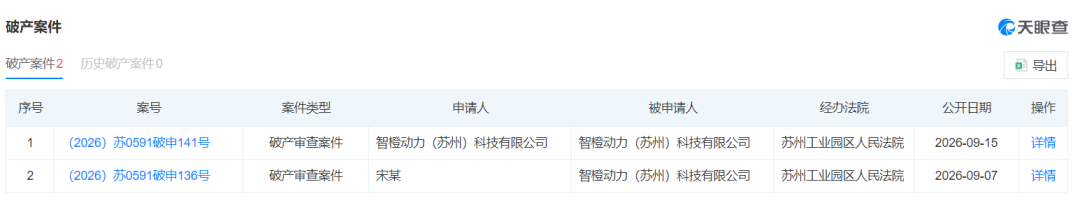
The cases are still under review, so the company has not officially declared bankruptcy. Still, for a robotics company that raised multiple rounds, received strategic investment from Ecovacs, and sold nearly 100 million yuan of products in Europe and the U.S., the news is sobering.
01. From a capital-favored “star company” to bankruptcy review
Founded in 2021, Zhicheng Power targeted the fast-growing yard robotics track. Its SMOROBOT brand makes robotic pool cleaners. Founder Pu Hanlai was former CEO of Xiaomi ecosystem company Moxiang Network; core team members came from Microsoft, Xiaomi, DJI and others. The company soon received investment from Xianfeng Capital and completed a Pre-A round with Crystal Stream Capital.
In 2024, it completed a Series A led by Clearwater Bay Fund and Zhixing No.1 Fund, and launched the Valor series, extending cleaning from the pool floor to walls and waterline. In January 2025, it received tens of millions of yuan in strategic funding from Ecovacs' investment platform; Ecovacs (Hainan) Investment held 8.6207%. The two sides planned to cooperate in product development, supply chain and overseas markets.
SMOROBOT also accelerated overseas expansion. Product prices covered $300–$1,500, cumulative sales were near 100 million yuan, and it set up local service centers in the U.S. and Europe.
But in 2026, operations changed. Since July, enforcement records totaled 4.5419 million yuan, followed by shareholder and executive changes. By September, the company entered bankruptcy review.
Overseas channels also changed. According to Cifnews, SMOROBOT's overseas website is still online, but products show “sold out” and cannot be ordered.
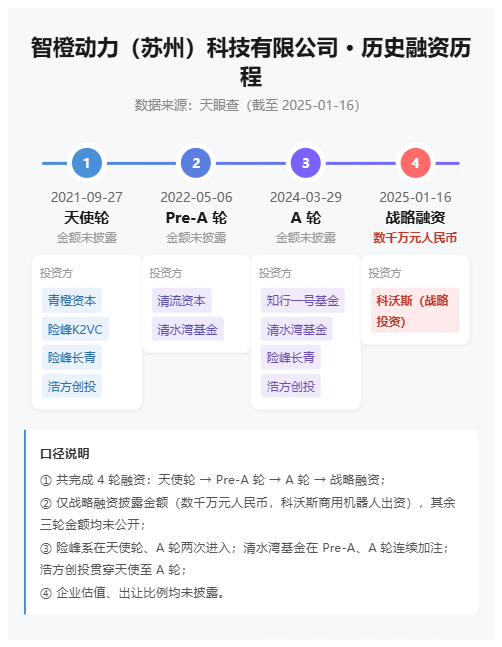
Image source: smorobot.com
On Amazon, the SMOROBOT store is still accessible and homepage videos load, but no products are listed and “Shop Now” buttons no longer work.
On the surface, the brand's overseas online presence remains, but actual product sales have disappeared. From funding, product launches and overseas expansion to bankruptcy review, SMOROBOT's shift is a warning for sellers entering the category.
02. In the same pool robot market, some have sold 200,000 units
Pool robots range from hundreds to over a thousand dollars. Compared with mature categories like robot vacuums, pool robots have higher prices, and many overseas homes have pools, creating large potential demand. However, the market is no longer one where finding demand and making a product is enough.
Pool robots require continuous investment in product development, iteration, supply chain, channels and after-sales. For brands targeting Europe and the U.S., a sale is only the start; parts supply, repairs and reputation determine whether the brand can keep selling.
The track is also crowded. Traditional players include Maytronics' Dolphin, Fluidra's Zodiac and Polaris, Hayward and Pentair. Chinese brands such as Aiper, Beatbot, WYBOT and Seauto have also entered, upgrading products toward wireless, smart navigation and auto-return charging.
Seauto is a fast-growing player. It entered North America and Europe around 2021 with more affordable products, mainly $199–$399. Public data shows Seauto shipped over 200,000 pool robots in 2025, with revenue exceeding 100 million yuan. SMOROBOT's prices covered $300–$1,500. Both chose overseas markets but took different paths.
Industry insiders say early entrants first needed products to sell. As more players appear, consumers weigh price, cleaning effect, battery life, navigation, obstacle avoidance and after-sales. On mature channels like Amazon, competition is more direct. Under the same keyword, consumers face many products. Exposure, reviews, inventory and repair channels all affect sales.
This marks a clear change: the category still has demand, but it is harder to gain long-term advantage simply by making a product.
For Chinese brands, completing product development at home is only the first step. After entering Europe and the U.S., they must solve local channels, inventory turnover, after-sales and reputation. Nearly 100 million yuan in sales does not mean the business model is proven.
SMOROBOT's bankruptcy review exposes a reality: high unit price and high growth do not automatically equal high profit and cash flow.
(Source: Cifnews Editorial Team)
SellerHome Review
A 100-million-yuan pool robot seller entered bankruptcy reorganization due to a broken capital chain, warning cross-border sellers that financing and GMV do not equal healthy cash flow. Check payment terms and inventory turnover immediately, and strictly control expansion pace.
Source: Cifnews
Original link: https://www.cifnews.com/article/188986