 Amazon Global Store opening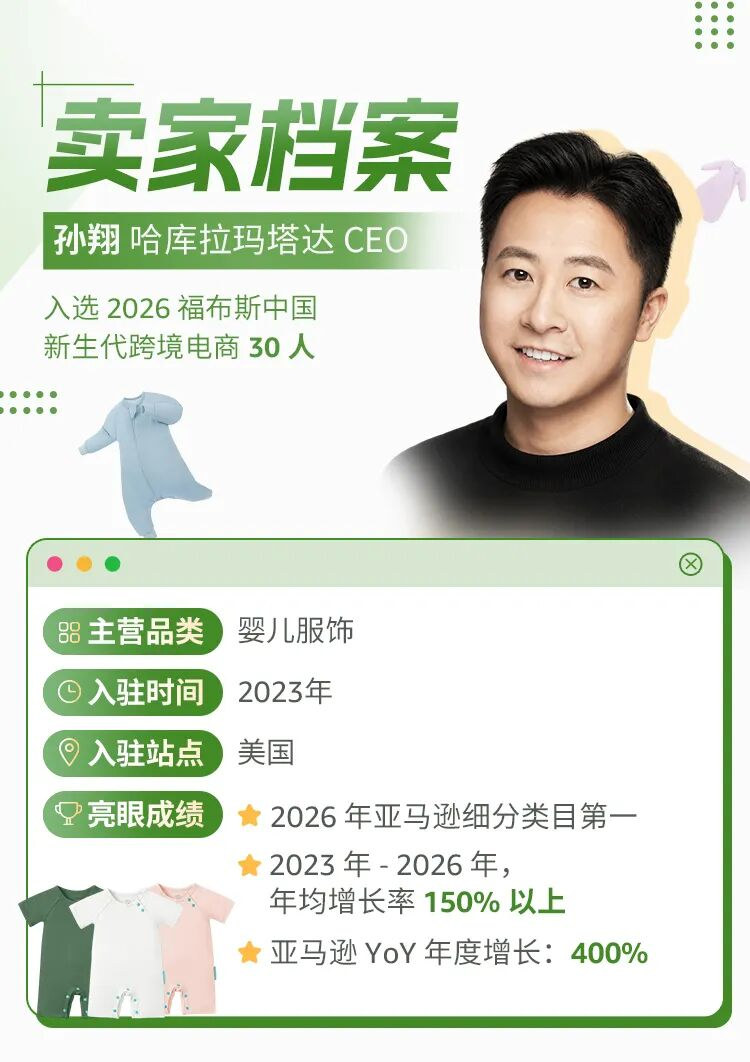
One day in July 2023, a bad review arrived: "My son always wears your clothes, but this time he got a severe rash." Sent at 3:17 a.m. US time, it felt less like a complaint and more like a tired mother's distress signal.
The 3 a.m. review changed everything
Hakuna Matata had just launched a Tencel baby garment—soft and breathable. A dermatologist recommended it in a forum, and orders surged. In the US, about 1 in 5 children suffers from eczema; moms stock up on organic cotton, but it traps heat and sweat. Tencel breathes and soothes. After a sell-out and restock, that 3 a.m. review revealed a supplier had quietly switched to cheaper fabric.
The dilemma: better or cheaper?
Forum moms praised Tencel for "saving eczema babies" but called it "ridiculously expensive"—its factory price was twice organic cotton's. Meanwhile, no traditional garment factory wanted to make 97% Tencel: "The yield is too low; we can't make money." Sun Xiang kept calculating: keep 97% Tencel and users can't afford it, or cut quality and lose the core value. The team nearly gave up. But comments kept saying severe eczema kids could only wear Tencel, and the market was either too expensive or unstable. No brand was willing to do the hard thing well. So they decided to do it themselves.

Turning point: medical-grade baby clothes
The team traced yarn to Sichuan plantations and worked with veteran workers to stabilize 97% Tencel knit fabric. Then they found a factory converted from medical protective clothing. Traditional garment factories would need new equipment and lines, but protective-clothing factories already had medical-grade clean standards—airborne bacteria under 500 per cubic meter. They moved skin-contact processes into that cleanroom and built a new baby-clothing standard. Results: industry average return rate 30%, theirs 8%. One mother repurchased the same style twenty times.
Best-seller: a product "heard" from 4,711 comments
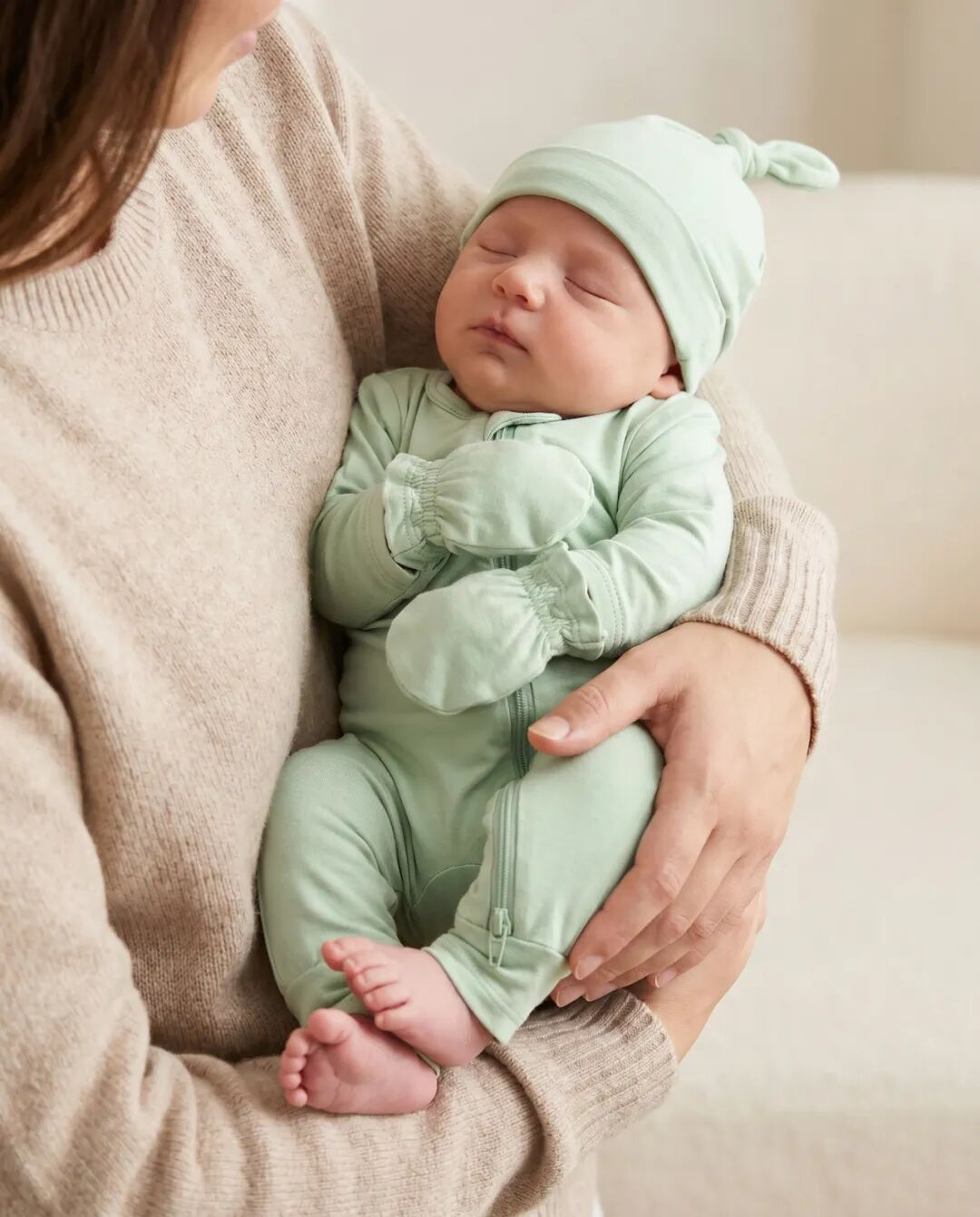
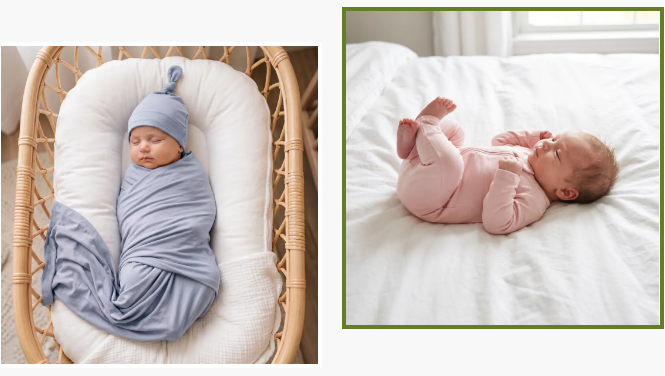
They didn't rely on third-party data; they listened to comments. A NICU nurse wrote: "We are always trying to find clothes that can fit these babies." Baby clothes were sized 0–3 months, 3–6 months—no preemie sizes. A mother said she cried in stores because she couldn't find clothes for her too-small child. The niche was too small to make business sense, but they made three smaller sizes: newborn, preemie, and NICU emergency. A mother in Ohio later wrote that her baby was born five weeks early, and her sister handed her a box of Hakuna Matata clothes in the hospital. The baby weighed 4 pounds 11 ounces.
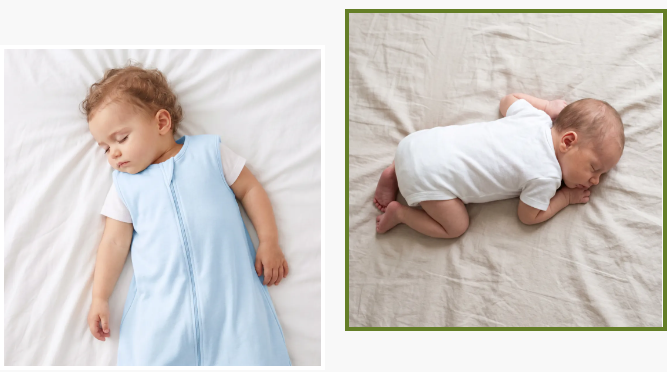
Expansion logic: don't jump categories, dig scenes. Sleep sacks, pajamas, crib pads—all around baby sleep and the same users, driving natural repurchase.
AI Native: listening at scale
In 2024, four people manually copied thousands of comments from North American sites, 20+ mom forums, and Amazon data. In 2025, they built a system of 20+ scheduled AI agents and 6 always-on bots, all centered on user voice.
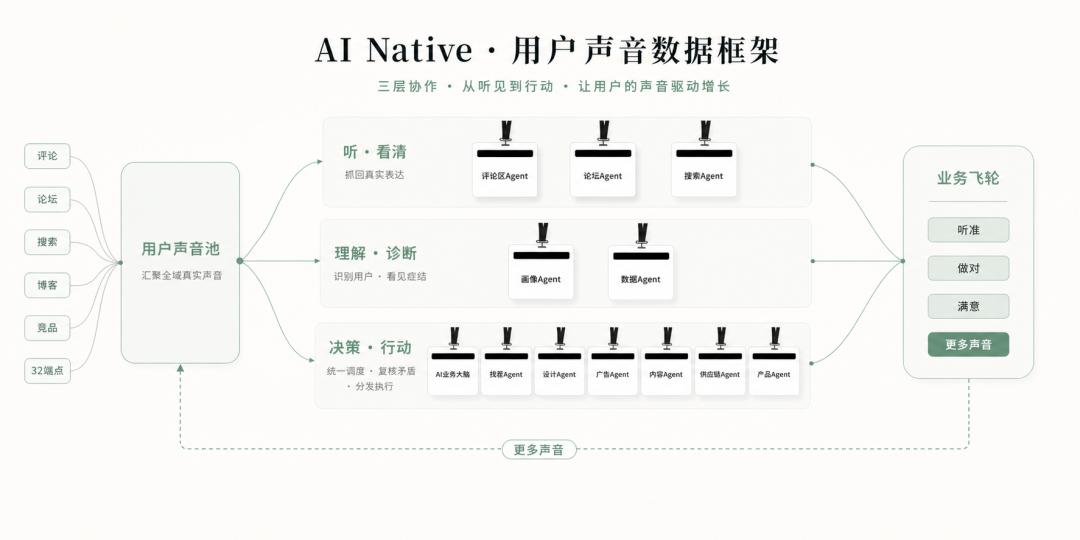
When a mom searches at 3 a.m. for "sleepwear for eczema baby," three agents listen: a review agent scans competitor reviews for "eczema," "itchy," and "rash"; a forum agent lurks in mom communities; a search agent tracks long-tail keywords. A persona agent groups users into 10 types—new moms, eczema-baby moms, preemie moms—and guides design. A data agent connects to SP-API, ad APIs, and AMC to flag return-rate or conversion issues. A business brain dispatches tasks to design, ad, and content agents. A fact-checker agent catches hallucinations—for example, rejecting a "premium baby pajamas" keyword because its $80+ order value didn't match their pricing.
From 4 people to 30+
In 2024: 4 people, 12 hours a day, a few SKUs. In 2025: 4 people + 20 AIs, 8 hours, dozens of SKUs. In 2026: 30+ people + 20 AIs, over 100 SKUs across 4 sites. "AI doesn't make us do more work; it gives us time to do more important work." —Sun Xiang
Moat: 100% effort for 1% of needs
Is the preemie line profitable? No, maybe even a loss. But they did it. "A brand's moat isn't how many people you serve, but how many 'unprofitable people' you're willing to serve." —Sun Xiang
Three years later: 38x growth, tens of millions of US dollars in omni-channel sales, 150%+ annual growth. In 2026, Sun Xiang made Forbes China's cross-border e-commerce 30 under 30 list. Hakuna Matata's confidence has never been about AI—it's that user voice is the brand's compass. The name "Hakuna Matata" comes from Swahili in The Lion King: "no worries." That's what he wants to tell the 3 a.m. mother: breathe, don't be afraid, everything will be okay.
For any Amazon questions, please use the link (https://wsurl.cc/wg4chn) or scan the code to contact an official client development manager: