 Echotik data
Apple's first foldable iPhone Duo hasn't officially launched yet, but its cases are already trending on TikTok.
The TikTok hashtag #iphoneduo already has over 42,900 posts.
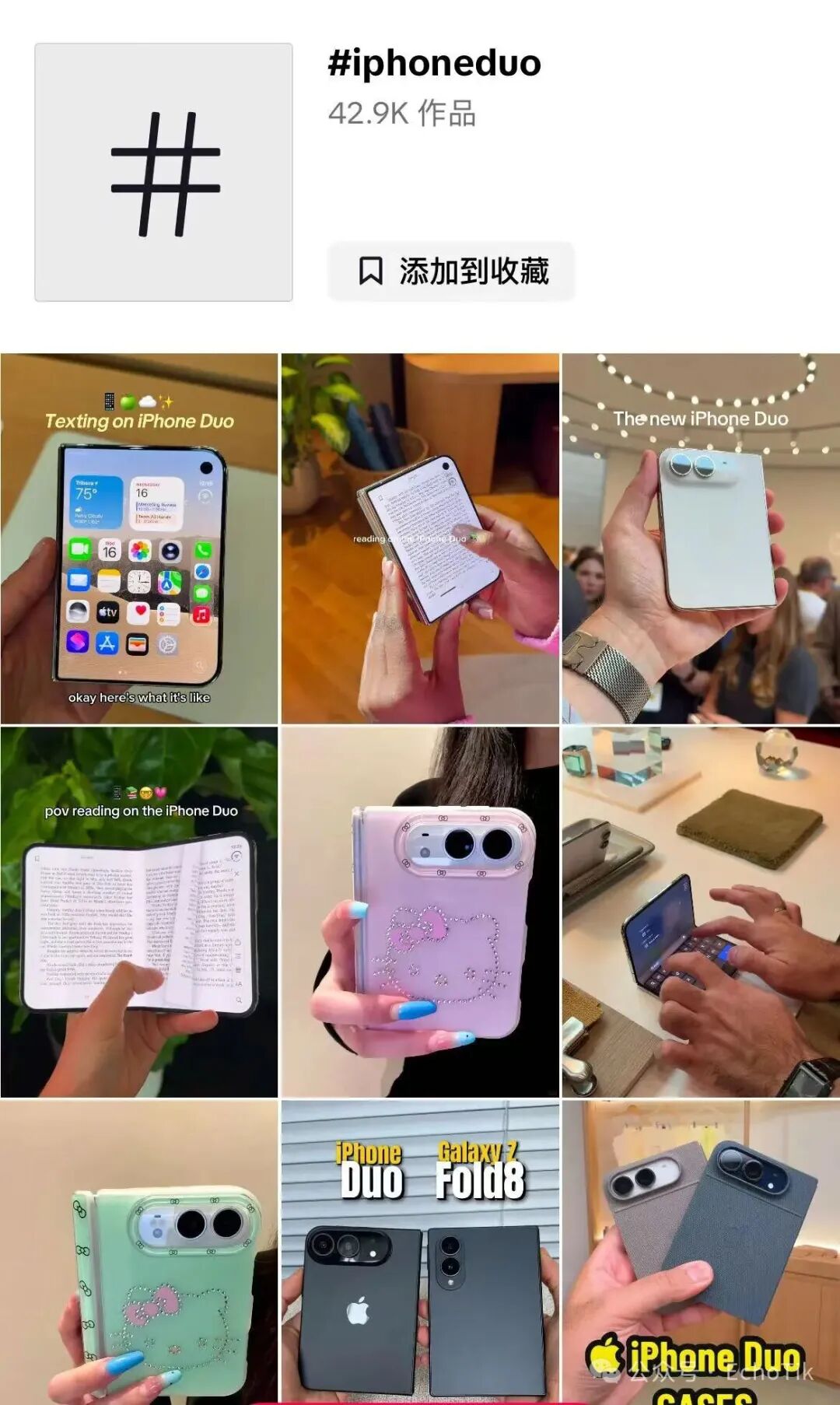
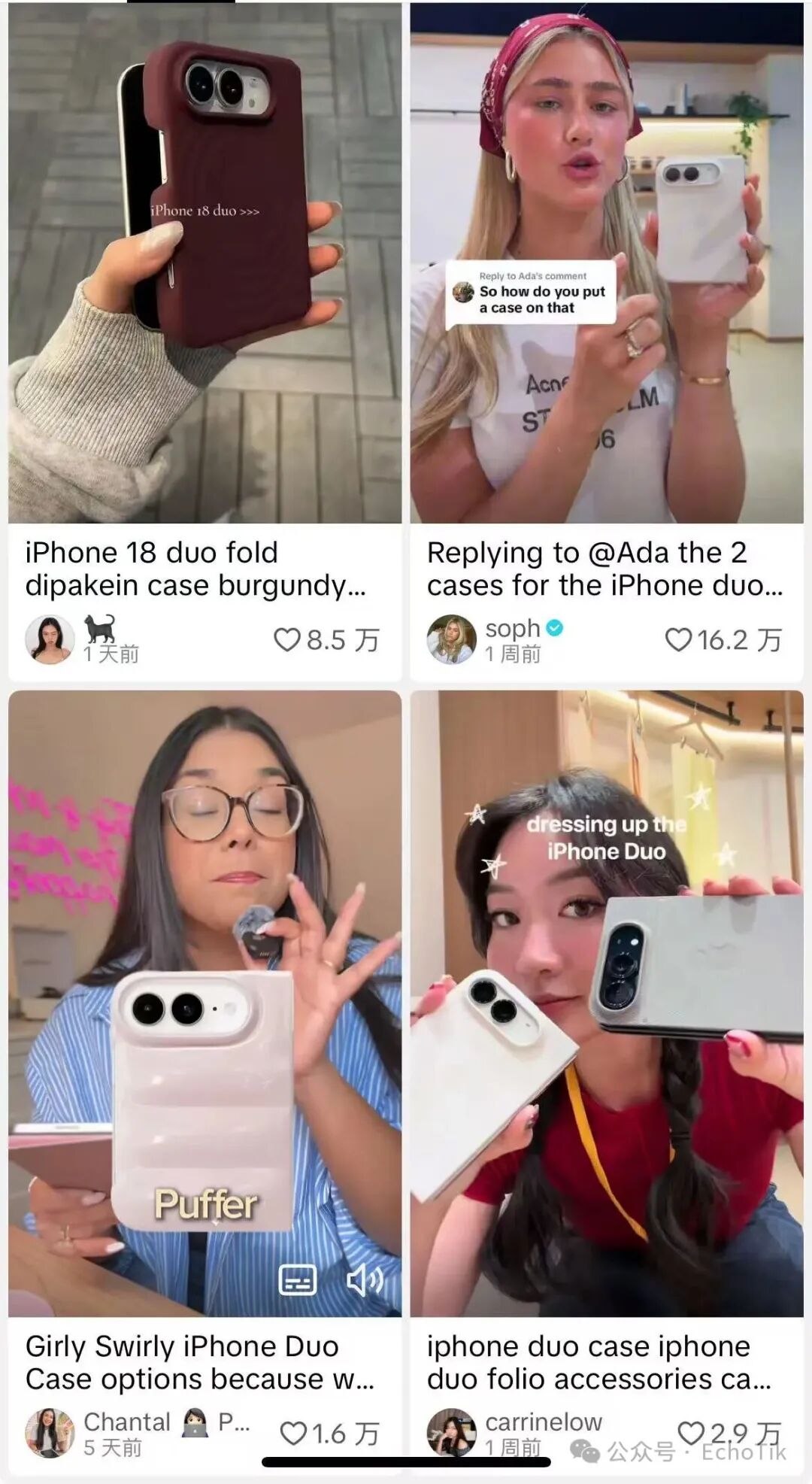
Videos of creators showing off the cases are everywhere.
One video of a burgundy foldable case posted a day ago got 85,000 likes. A white dual-case video posted a week earlier received 162,000 likes.
Creators are also comparing iPhone Duo with Samsung Galaxy Z Fold 8, and decorating cases with rhinestones and Hello Kitty accessories.
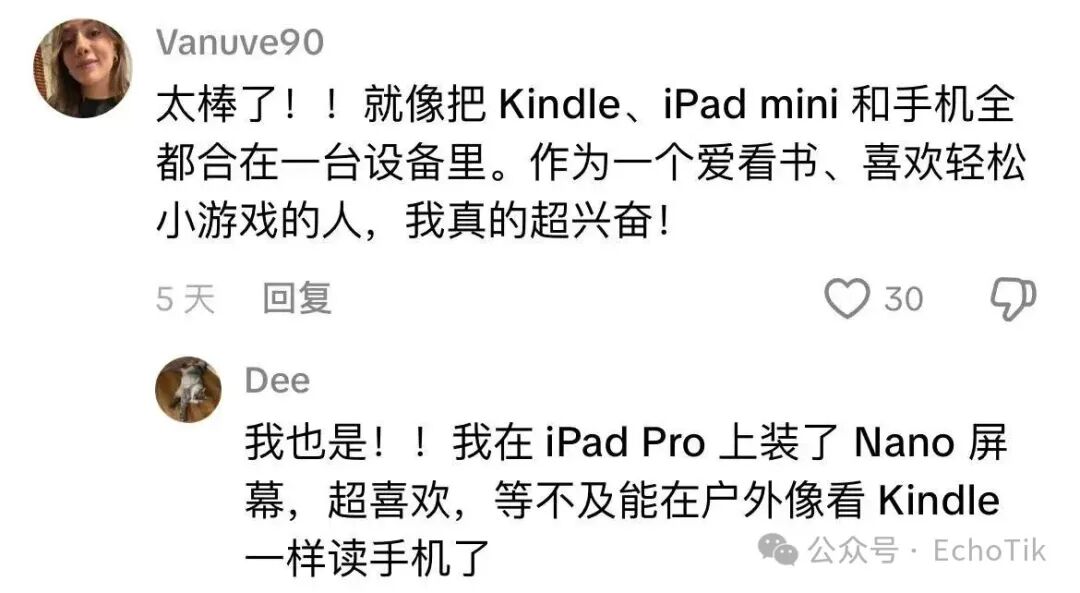
One comment reads: "Amazing!! It's like a Kindle, iPad mini, and phone all in one. As someone who loves reading and casual games, I'm really excited!" Another user replied: "Same! I put a Nano-texture screen on my iPad Pro and love it. Can't wait to read outdoors like a Kindle."
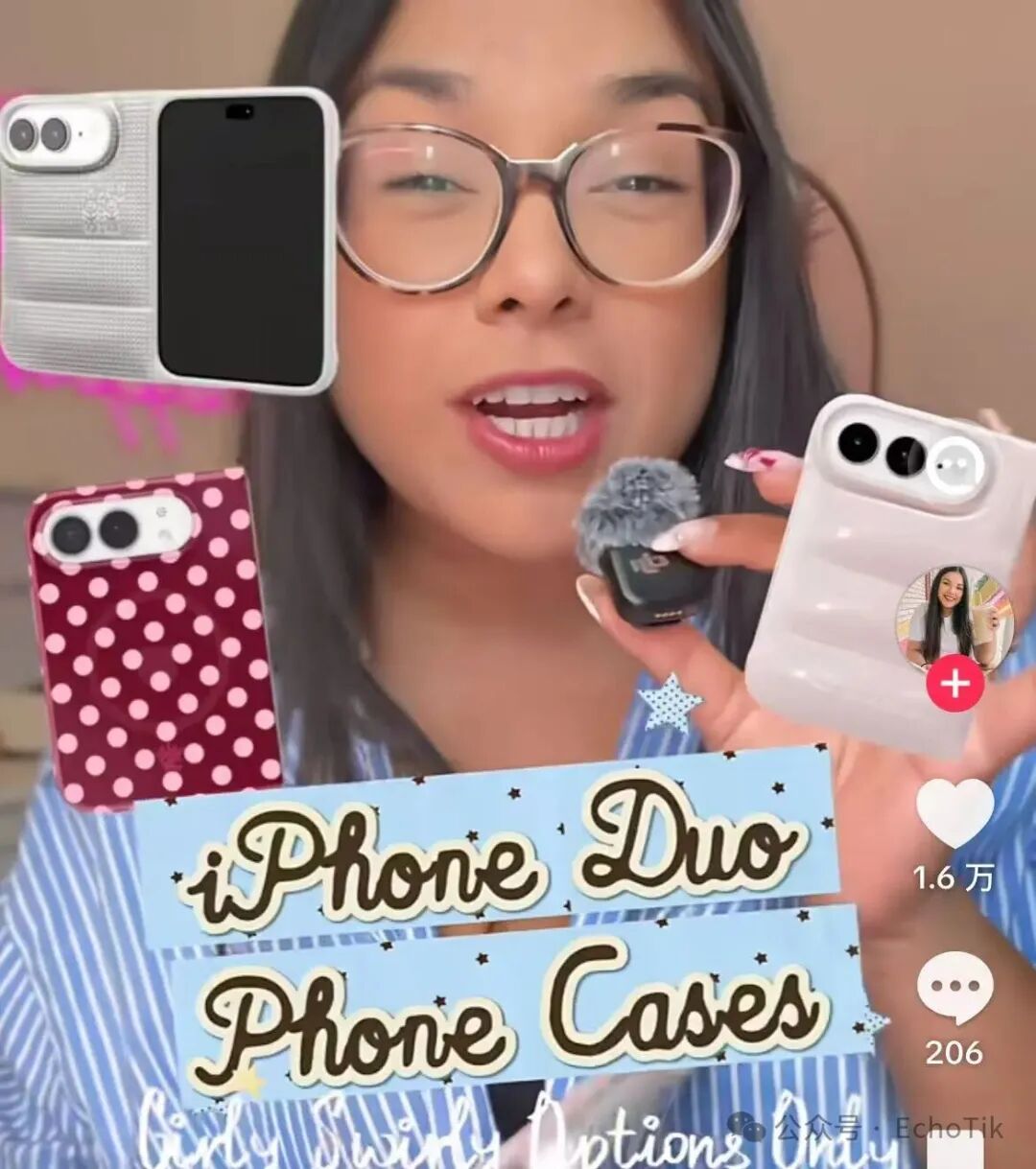
Demand has moved beyond "should I buy the phone" to "how to use it, pair it with a case, and apply screen protectors." It now extends from the phone itself to the entire accessories ecosystem.
Data shows that since August, searches for new iPhone accessories rose 182% month over month, and searches for "iPhone foldable" jumped eightfold. By launch day, AliExpress had added over 300,000 new iPhone cases and screen protectors.
Why are iPhone Duo accessories trending before the phone itself?
01 Foldable cases are completely different from ordinary phone cases.
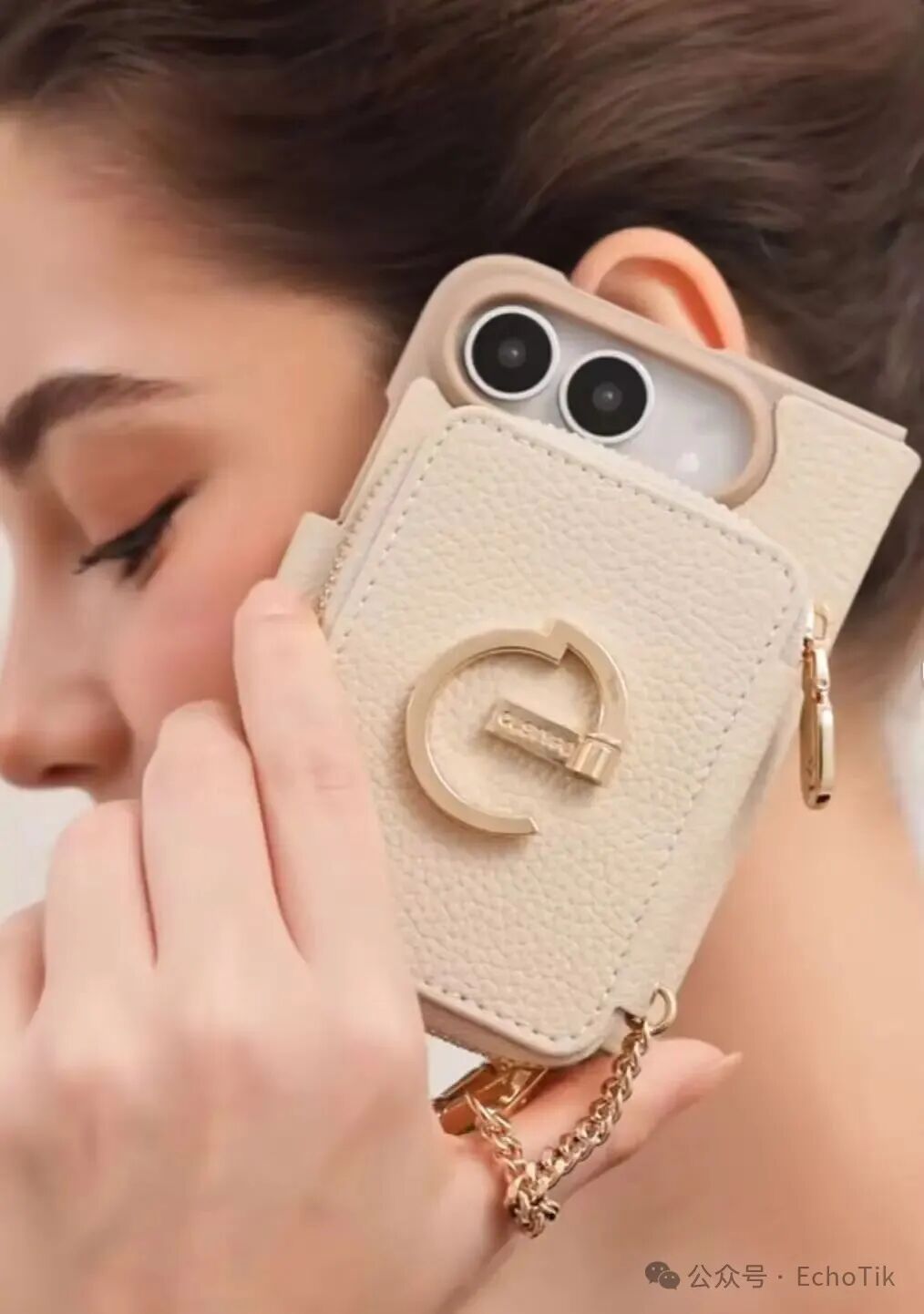
Regular slab phones only need one full shell; tooling, sampling, and mass production follow a mature process. But iPhone Duo is a foldable with an extra hinge and two screens. Cases must shift from one-piece to multi-section snap-on designs, and screen protectors must split into inner, outer, and camera lens films. Hinge position and opening angle directly affect case fit. This means accessory makers cannot rely on past experience. They must predict dimensions from mockups, public renders, and supply-chain information, then complete design and tooling in advance.
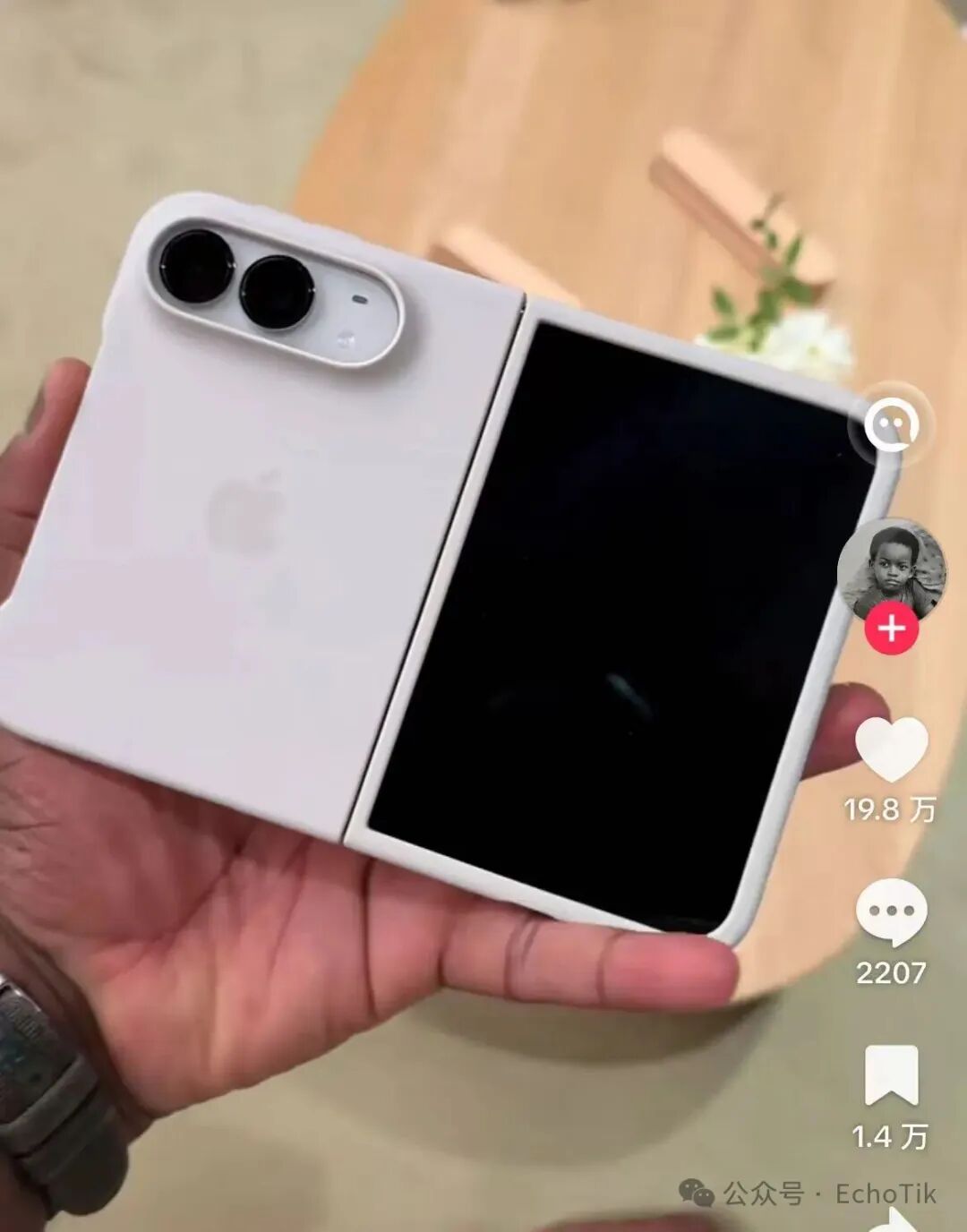
The first seller to make a compatible case captures the first wave of search traffic. Buyers spending over $1,000 on a new phone often add a case and screen protector. The first few weeks after launch are peak accessory demand. If you wait until launch to design, tool, and produce, the first demand cycle will already be taken. That's why mature accessory factories prepare two to three months in advance, completing tooling and pre-production four months before launch. They test small batches and scale based on search and orders. This is a race against time.
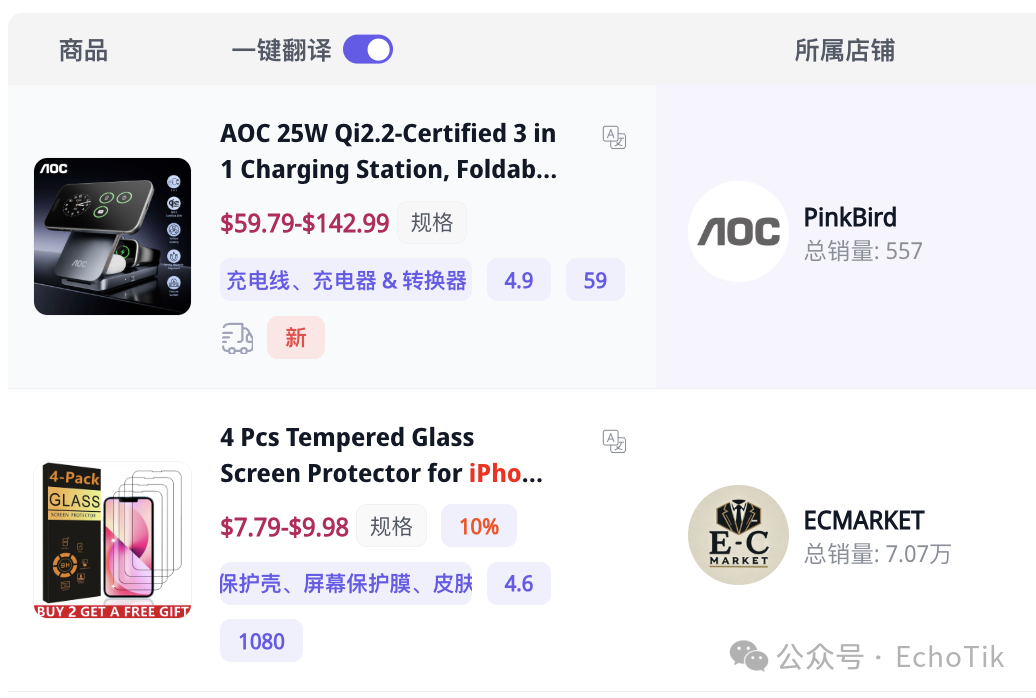
Having accessories explode before the phone is on sale isn't due to one factory, but to the density and coordination of the entire supply chain. Once the first samples are made, sellers can immediately check buttons, camera, and hinge alignment. If sizing is off, engineers revise drawings and factories adjust molds. Finished products can move directly into cross-border logistics; from design to order, there is almost no long wait in Shenzhen. Chinese phone accessories used to be associated with cheap prices, but the iPhone Duo accessory race shows that speed and industrial density are the real moat.
02 What can sellers learn?
First signal: Foldable accessories are a fresh window. Analysts expect iPhone Duo shipments of about 5–6 million units this year, potentially exceeding 17 million by 2027. Foldables are structurally more complex than slab phones, so accessory categories expand. Hinge-protection cases, inner and outer screen films, magnetic stands, dedicated chargers — every niche has opportunity.
Second signal: Lead time determines profit margins. Watching launch calendars and positioning before a product goes viral works better than chasing it later. Factories tool four months early, start accessory recruitment two months early, and list 300,000 new items on launch day — all driven by accurate predictions of launch timing.
Third signal: Content should show "how to install," not just "how pretty it looks." The most-liked TikTok videos show creators installing the case. The installation itself sparks curiosity. Consumers want to know how the case fits, how to apply films, and whether the hinge sticks. These questions make ideal content scripts.
03 Where is the next opportunity?
Every Apple launch stress-tests the supply chain. From AirPods to Apple Watch, from MagSafe to Vision Pro, each new category creates new accessory demand. The iPhone Duo accessory race is just the beginning. The phone hasn't officially gone on sale, but accessories are already selling. The case itself isn't hard to make; it has hit the combination of hot hardware plus essential accessories.
When a hit product sells well, accessory demand follows. This logic applies across categories. Tesla is a classic example: strong car sales lifted the accessory market, including console organizers, tempered-glass screen protectors, floor mats, sunshades, and wheel caps. After Labubu took off, doll clothes, bags, display stands, and charms followed. When Stanley cups became hits, cup sleeves, brushes, holders, straw toppers, and stickers sold too. The main product is a traffic entry; accessories are the business exit. This can be distilled into a simple sourcing rule: wherever there is a hit product, there are accessory opportunities.