
 Echotik data
Young people nowadays face various emotional breakdowns, perhaps due to a sarcastic comment from a colleague or an eighth version of a plan changed by a client. At that moment, it's hard to hold on.
But it's also interesting that this generation of young people "recovers" very quickly. Sometimes, a small toy costing just a few dollars is enough.
The "steamed bun squish" that went viral on TikTok last week is a typical example.
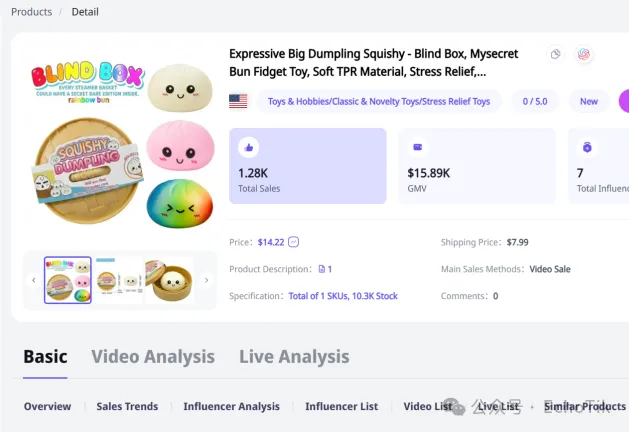
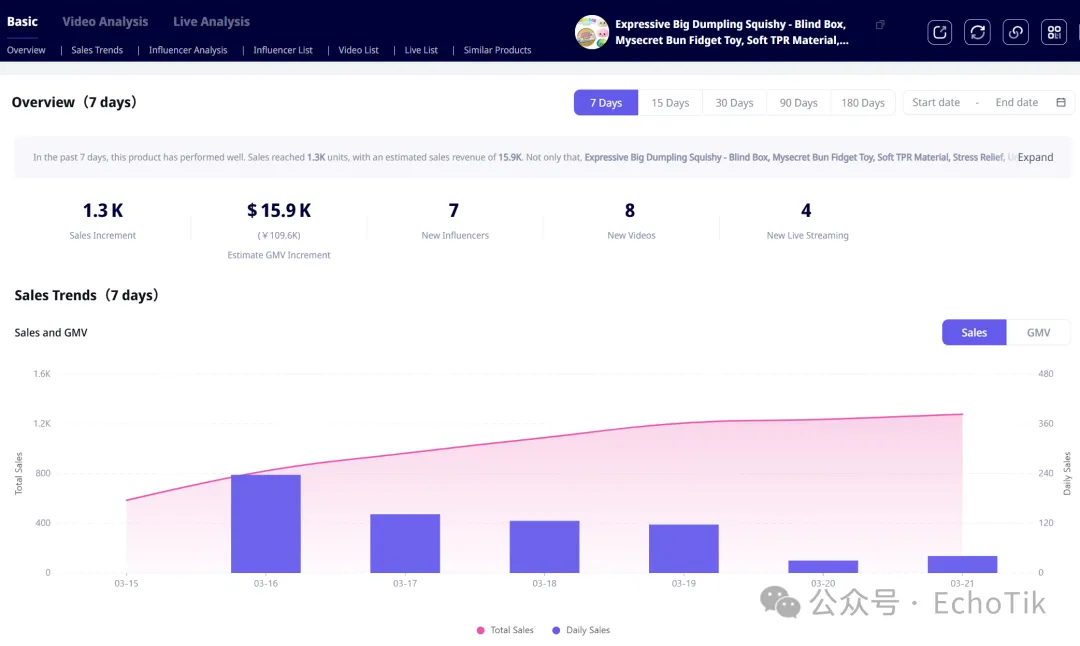 It's not expensive, not complicated, and even looks a bit ordinary, but it reached nearly $16,000 in sales within a week of launch. Many people's first reaction was: Can this sell so well?
If you just attribute it to "good luck", then you're basically giving up on understanding hot-selling products. There's actually logic behind this kind of item!
Are young people really just buying a toy?
This "squish" from the small store Gubercen, if we only look at its function, doesn't really have any technical barriers.
But what it sells is never just the function. It's three more fundamental things:
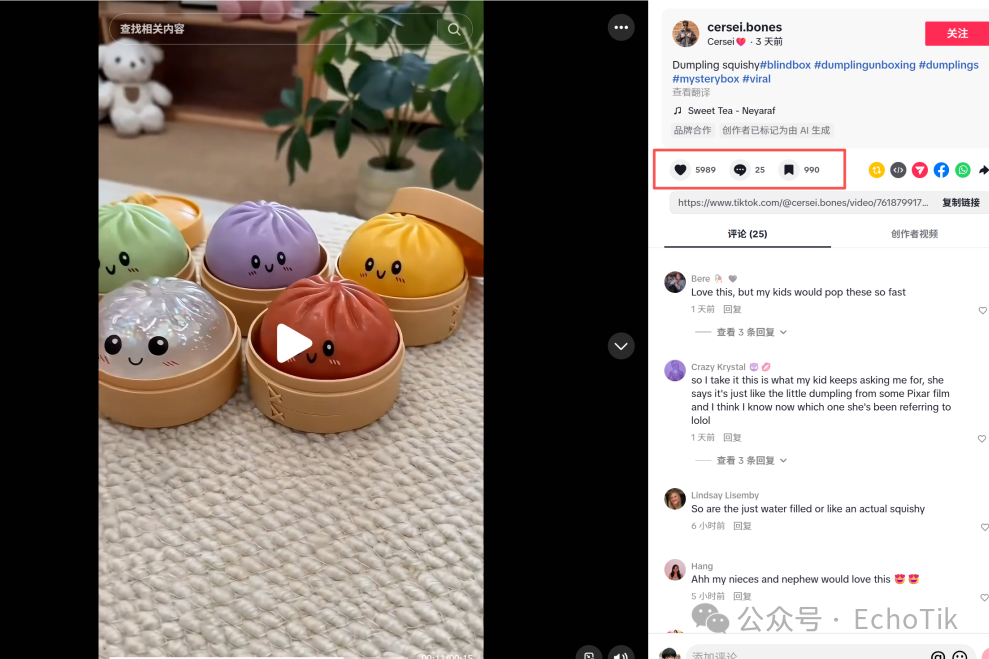
1. A controllable "emotional outlet"
Many comments under product videos like the squish are quite genuine:
Some say "I was criticized by more than a dozen people today, squeezing this can relieve some stress", and others say "It feels like me, being kneaded by life".
Its core point is not "relief from pressure", but that you finally have something you can "squish" freely. This sense of "controllability" is itself very scarce.
2. A bit of the thrill of "gambling"
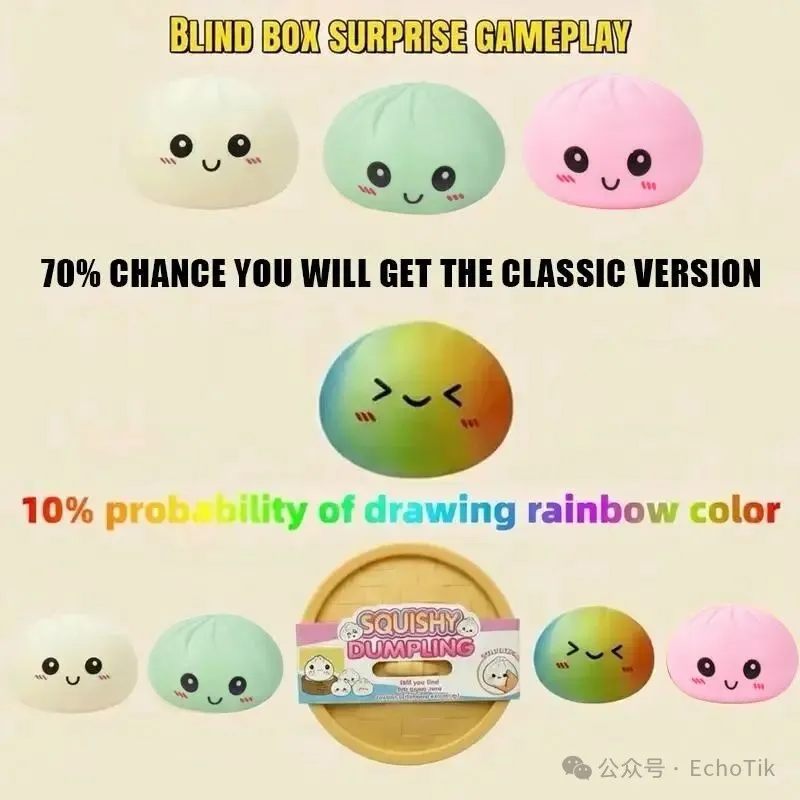
The merchant made a very smart design: the rainbow hidden version.
The probability is not high, but it's enough to create anticipation. Combined with the bamboo steamer packaging and the unpacking process, it's actually not just a toy, but a light trendy plaything with a bit of "blind box logic", like Labubu.
People may not necessarily want that hidden version, but they want to experience that moment.
3. A social topic to participate in
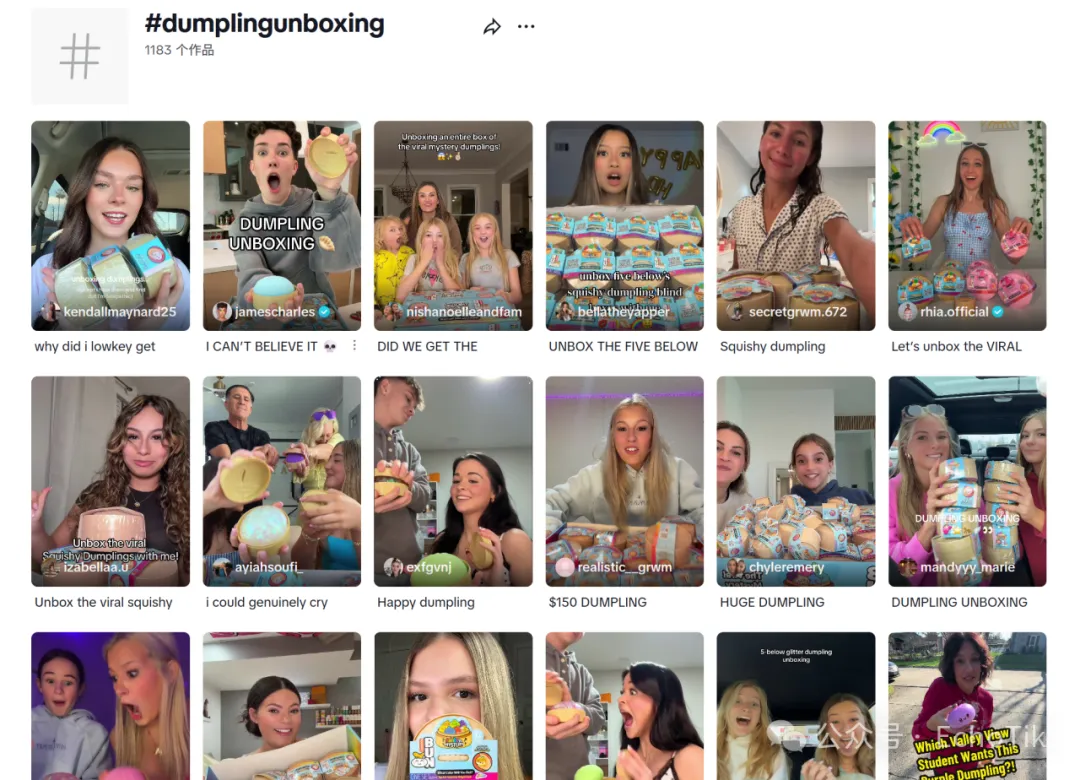
You'll find that the comments section of such videos is very unified:
"Absorbing positive energy", "I hope for the hidden version", "I want this too".
At this point, it's not just a product, but a content event that you can participate in. Many people buy it, not because they really need it, but because they are already part of this content.
How did a "squish" become popular within 7 days?
This steamed bun squish, from its launch on March 16th to the 21st, basically completed a round of explosive growth.
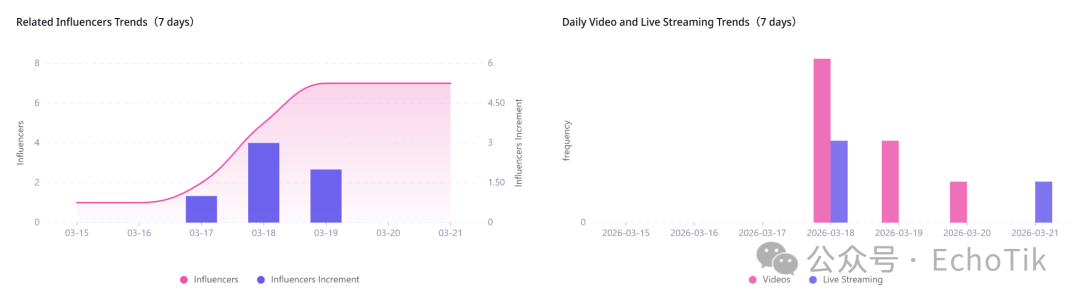
The rhythm is very clear: initial small-scale content testing → finding effective material → rapid expansion → using content to drive conversion.
If you break it down, it actually has several typical "short video hot-selling product features":
Is there intuitive feedback (can the change be reflected in the camera)
Is there a clear scenario (can users imagine using it)
Is there a differentiator (shape, culture, gameplay)
The "steamed bun" is actually in line with the cultural difference between the East and the West.
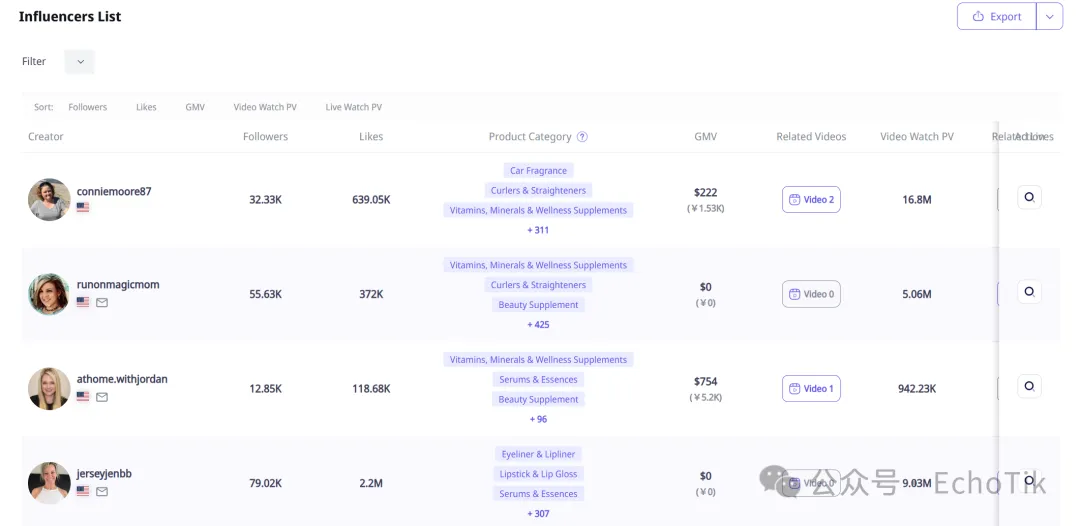
Use data to filter, not feelings
Many people's problem with content placement is: choosing based on views
But what really works is: looking at conversions
Can the stress-relief category still be done?
Yes, but the difficulty is increasing.
On the one hand, this category is indeed growing, and the demand is real.
On the other hand, homogenization has begun to increase.
What will be easier to stand out next is not "cheaper", but:
More memorable shapes
More engaging gameplay
Products that are easier to be photographed
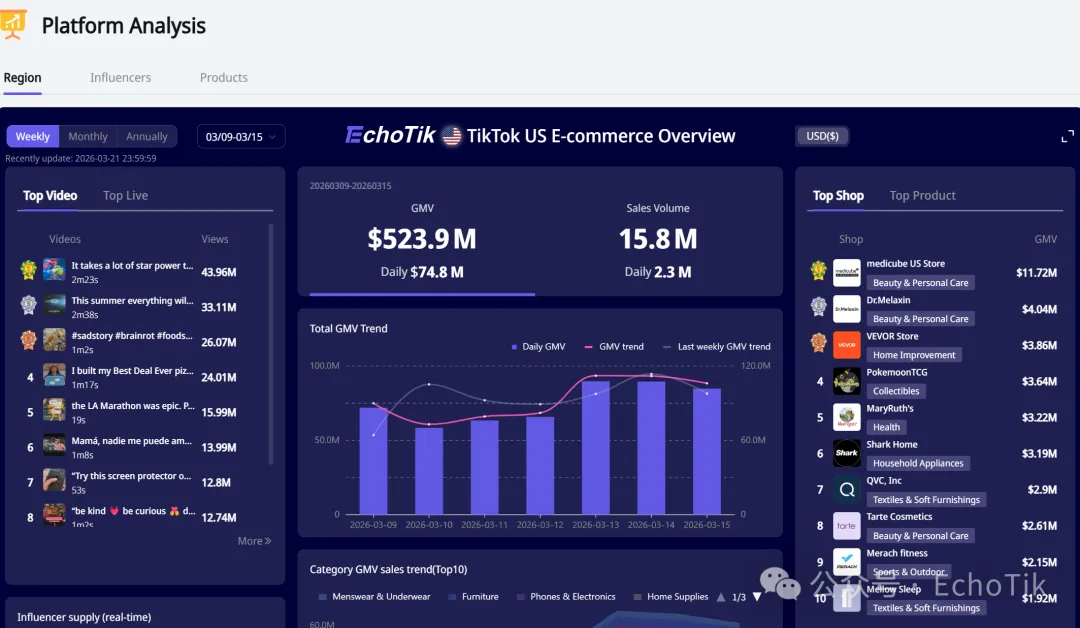
To put it simply: it's not about selling stress-relief toys, but whether your product can become content.
It's no longer the "traffic dividend" phase.
But one thing is becoming more and more obvious: emotions are becoming a quantifiable and amplifiable consumer driving force.
Whoever can perceive these changes faster will be more likely to seize the next wave of opportunities.
Tools are just aids; what really sets you apart is your understanding of "people". Stop looking only at the product itself. Many times, what determines whether it can sell is that indescribable emotion behind it.