
 Blue Ocean Yiguan
In 2017, four Amazon engineers resigned to enter the smart security market, competing with Amazon's Ring, backed by Alexa, and Anker's fast-growing eufy. The founding team included Zhang Yun and Song Dongsheng from China, who tapped China's mature consumer-electronics supply chain to lower costs, and Dave Crosby, a YouTuber with 4.05 million followers, whose reviews and content provided low-cost early traffic. They founded Wyze in Seattle.
Wyze entered with a $19.99 smart camera, while comparable products often cost around $150–$200. It offered 14-day free cloud storage and no subscription. The camera sold over one million units in its first year, generating more than $30 million in sales, and ranked first in its Amazon subcategory. By 2019, annual sales reached $95 million. Wyze later expanded into smart scales, doorbells, bulbs, outlets, sensors, locks and more, covering Amazon, its DTC site, TikTok Shop, Home Depot and Micro Center. It has since entered more than 10 million North American households.
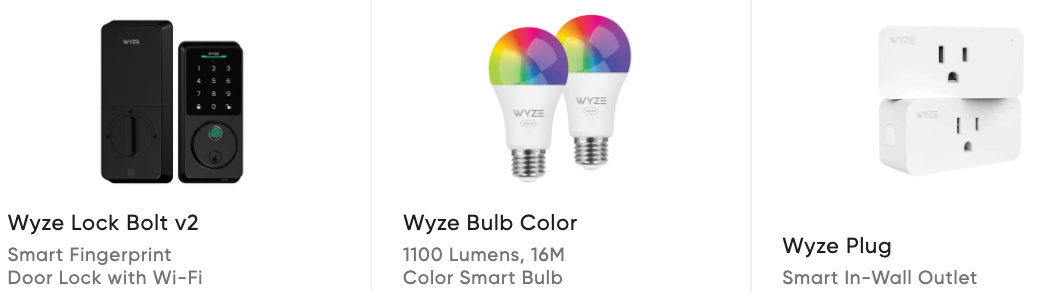
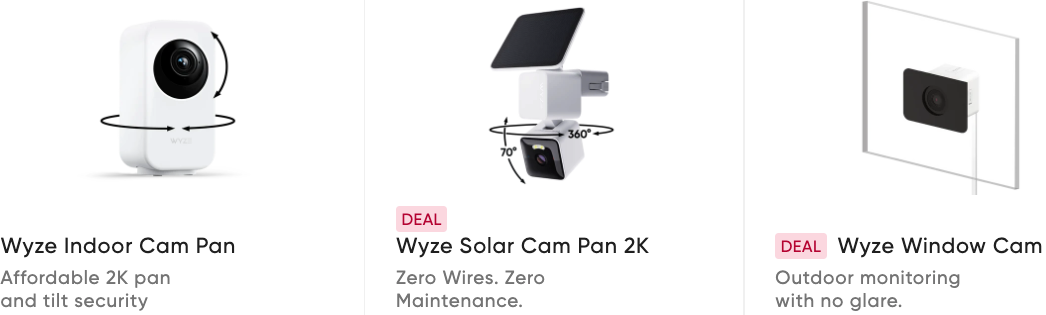
Wyze combined low-cost hardware with app, cloud and subscription revenue. In 2019, it introduced free AI person detection through Xnor. In 2020, after ending that partnership, it launched a low-cost Cam Plus subscription. In 2021, it raised a $110 million Series B led by Marcy Venture Partners, co-founded by Jay-Z. According to data.ai, Wyze's in-app purchase revenue exceeded $10 million in the six months from late 2021 to May 2022, or more than RMB 10 million per month. In 2025, Wyze's online GMV reached $359 million.
On Amazon US, 52 best-selling ASINs generated an estimated $3 million in sales over the past 30 days. Several Wyze products rank high in subcategories such as security cameras, smart scales, video doorbells and plugs.
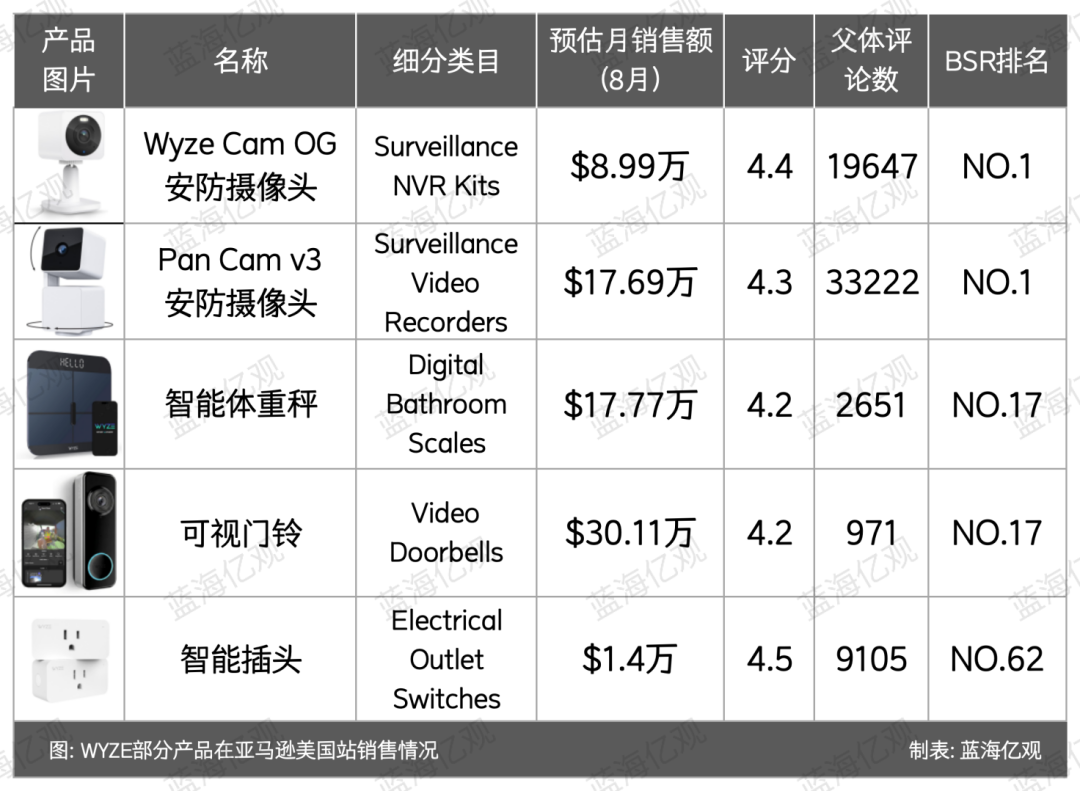
One $29 security camera holds a 4.4 rating with over 19,000 parent-level reviews and has ranked in the top of the Surveillance NVR Kits category since November 2025. Its sales rely heavily on organic traffic, which accounted for more than 85% of traffic in July and August, while sponsored ads accounted for only a small share.
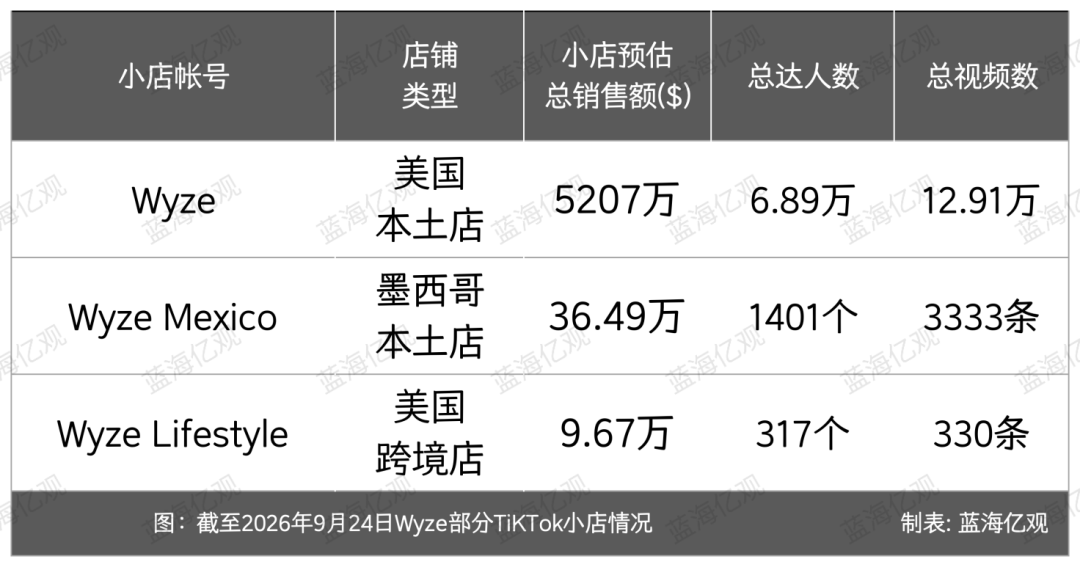
On TikTok Shop in the US, Wyze's local store generated estimated sales of about $52.07 million, with about 68,900 associated creators and 129,100 videos.
In the six months from March to August 2026, Wyze's DTC site received 41.85 million visits, averaging nearly 7 million per month. Direct visits accounted for 69.37%, second only to Ring's 70.05%. Although Wyze's traffic is far below Ring's 195 million, it exceeded eufy's 24.29 million. Wyze still competes with Ring, Blink, eufy, Tapo and Arlo.
The low-price model is under pressure. Free features have shrunk, and core AI and cloud recording were moved into Cam Plus. By 2026, the annual Cam Plus fee rose from $19.99 to $29.99, a 50% increase. Without a subscription, users see only thumbnail event records with a five-minute gap between events, while Cam Plus provides 14-day cloud storage, full event video and AI detection. Some long-time users complained on official forums, and some considered switching to eufy or Tapo. The app has also become an advertising platform, pushing product promotions and upsell prompts even to paying users.
Wyze has faced repeated privacy and security incidents. In 2019, a database misconfiguration exposed data on about 2.4 million users. In 2022, researchers disclosed camera vulnerabilities that could let attackers bypass login and access cameras. In 2023–2024, data leaks occurred again, with users seeing other people's camera feeds or thumbnails. In 2023, Wirecutter paused recommending Wyze cameras.
In June 2026, Wyze recalled about 321,400 solar security cameras in the US and about 2,560 in Canada because incorrect installation instructions could lead users to use overly long screws and puncture the lithium battery casing, causing overheating or fire. Wyze reported 13 overheating incidents, including six explosions or fires and six minor burns. Meanwhile, tariff pressure is rising: in April 2025, a shipment of floodlight products valued at $167,000 incurred $255,000 in tariffs.
Subscription increases, shrinking free features, privacy incidents, hardware recalls and supply-chain costs are making Wyze's low-price model harder to sustain. As competitors multiply and users demand stronger privacy, security and experience, Wyze can no longer rely only on low prices to retain users.
Wyze proved the "low-price hit + category expansion" cross-border playbook, but sellers should evaluate whether their supply chain can support a similar model.
Source: egainnews.com