 Yijia Overseas
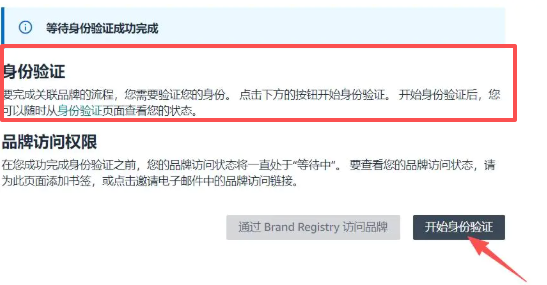
Recently, a large number of sellers have reported that when accepting brand authorization invitations, the backend no longer completes the authorization with a simple click to confirm as before, but is required by the system to undergo video identity verification.
This means that Amazon is incorporating brand authorization into a stricter identity verification system, and behaviors such as brand account trading, illegal authorization, and false association will face higher risk control thresholds.
1. What has changed in Amazon's brand authorization video verification?
Previous process: Brand side sends authorization invitation → authorized seller logs in to brand backend → clicks to accept authorization → authorization takes effect immediately. The whole process usually takes only a few minutes.
Current process: Brand side sends authorization invitation → authorized account accepts invitation → system triggers video verification → completes identity verification. Authorization takes effect after approval.
In other words, brand authorization has been upgraded from account confirmation to real identity confirmation. For some accounts, whether the authorization takes effect no longer depends entirely on the brand side, but needs to pass Amazon's risk control review.
2. Why did Amazon suddenly strengthen the review?
(1) Crack down on the brand authorization trading industry chain
In recent years, there have been a large number of brand authorization rentals, brand filing sharing, brand authority trading, and brand account reselling in the market. Some sellers obtain rights such as A+, brand flagship stores, and brand advertising by purchasing authorization. Such behaviors seriously deviate from the original intention of the brand registration system, so Amazon has begun to strengthen identity verification.
(2) Prevent false brand association
Amazon has been continuously strengthening its brand protection mechanism in recent years. The core purpose of brand registration is to prove the real association between the seller and the trademark or brand, rather than simply obtaining operating rights. Video verification can further confirm the actual controller of the account, the authenticity of the enterprise, the authenticity of brand authorization, and the authenticity of the identity of the invited person.
(3) Reduce the risk of infringement and follow-up sales
The abuse of brand authorization has always been a key governance target of Amazon. Through video verification, it can reduce false authorization, stolen data authorization, infringement of brand filing, and malicious brand association. From the platform's perspective, this is an important step in brand ecosystem governance.
3. Which sellers are most likely to be affected?
Class 1: Sellers newly accepting brand authorization
Accounts that receive brand authorization invitations for the first time have the highest probability of triggering verification.
Class 2: Cross-entity operation sellers
For example, when the store entity is inconsistent with the brand entity, the company is inconsistent with the trademark holder, and there are multi-level authorization relationships. The system may require further verification of identity information.
Class 3: Accounts with high historical risk control
Including those that have triggered reviews, have association risks, frequently modify information, newly registered accounts, which are more likely to enter the manual review queue.
Class 4: Sellers who purchase brand authorization
If there are abnormalities in the authorization chain, unclear sources of authorization, incomplete information on the brand side, and unprovable authorization relationships, subsequent risks may significantly increase.
4. How should sellers deal with video verification?
(1) Prepare enterprise information in advance
It is recommended to prepare business licenses, legal identity documents, store entity information, trademark certificates, brand authorization documents, and ensure that the information is consistent.
(2) Ensure the integrity of the brand authorization chain
If it involves brand holders, authorization companies, operating companies, and store accounts, it is recommended to sort out the complete authorization chain in advance to avoid being unable to explain the brand relationship during video review.
(3) The legal person or actual controller participates in verification
Video verification usually focuses on verifying the authenticity of enterprises, identities, and brand relationships. It is best for the legal person, shareholders, actual operation leaders to participate in the verification in person.
(4) Avoid frequent changes to account information
It is recommended not to frequently modify the company name, contact email, contact phone number, and payment information recently, otherwise it may increase the probability of triggering risk control.
Finally:
Previously, the brand filing process has gradually upgraded from verification code verification to a stricter rights holder confirmation mechanism. Now, video verification has been added to the brand authorization link, indicating that Amazon is strengthening the brand identity certification system.
In the future, sellers with their own trademarks and complete brand qualifications will occupy greater advantages in operational stability and branding. Brand registration should be done early rather than late, and early layout can avoid subsequent business restrictions.
That's all for the content sharing brought to you by Yiju Overseas. Feel free to leave a message and discuss in the comments section!