
 Yijia Overseas
In recent years, Mexico has become one of the fastest-growing markets for cross-border e-commerce globally, with MercadoLibre firmly established as a mainstream e-commerce platform locally. As the market size continues to expand, both the platform and tax authorities are also upgrading their compliance requirements for sellers. The Mexican e-commerce market is expected to maintain rapid growth in the coming years, attracting a large number of Chinese sellers to enter continuously.
However, many sellers find that while traffic is still growing, profits are becoming thinner. One of the most important reasons is tax costs. Cross-border stores are facing new tax pressures!
1. MercadoLibre Initiates RFC Verification
Recently, to ensure compliance and development, MercadoLibre has been continuously conducting RFC tax number entity consistency checks for the Mexican site.
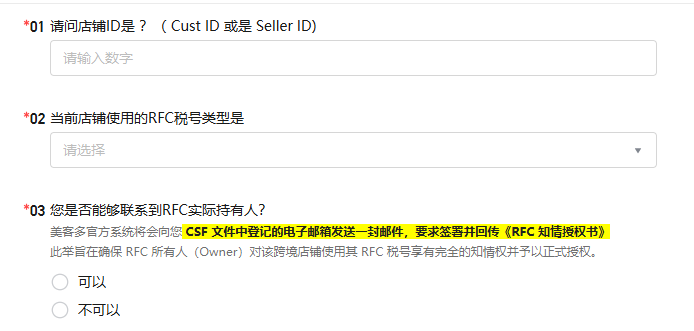
This round of verification is mainly aimed at sellers whose cross-border store registration entities are inconsistent with the backend-bound RFC tax number entities. Relevant sellers need to confirm and sign the "RFC Informed Consent Form" through the email registered in the previously submitted CSF file, to ensure that the RFC tax number holder (Owner) is fully aware that their RFC tax number is being used for the cross-border store and formally authorizes the store to use the tax number.
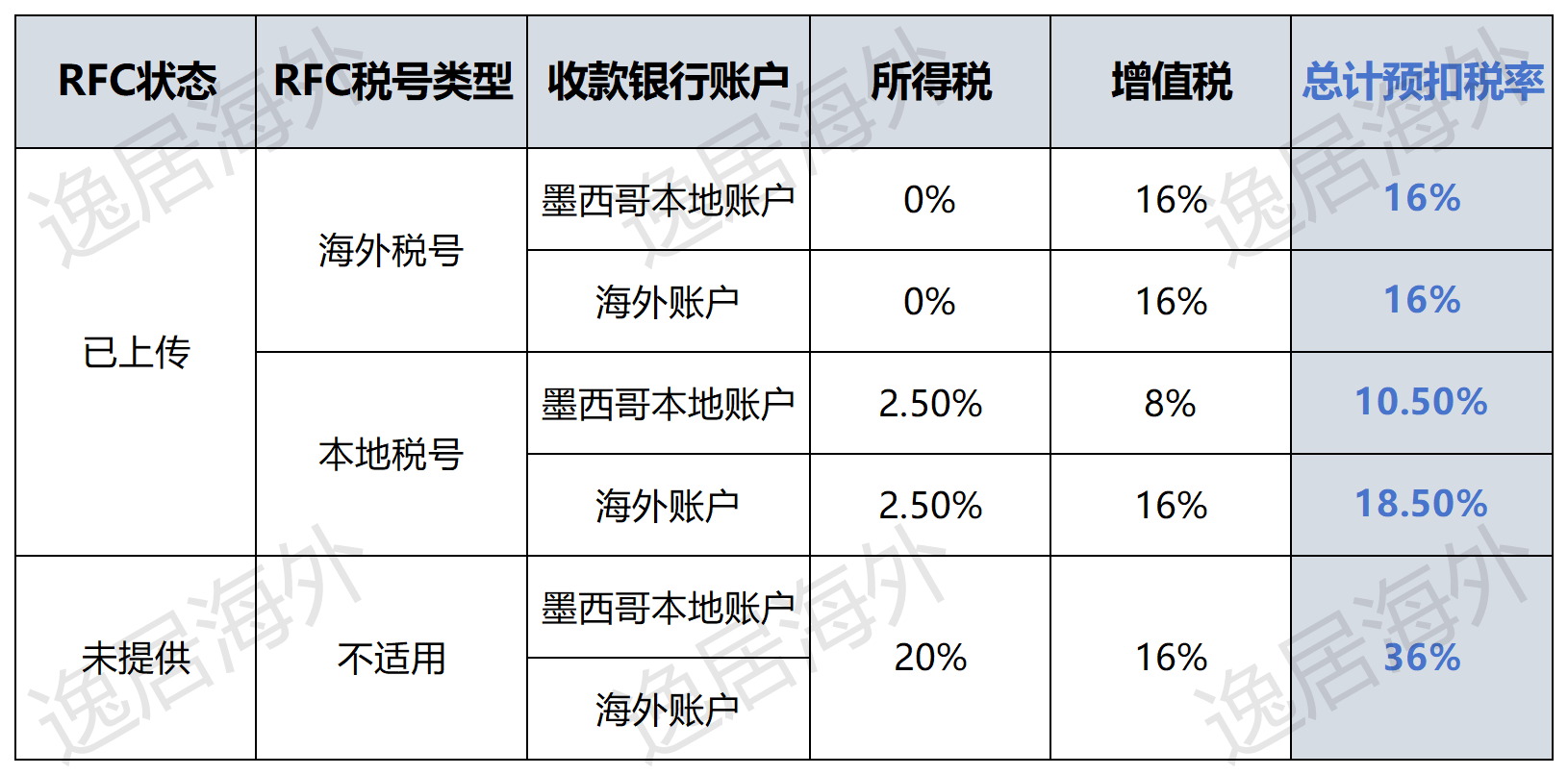
For stores that fail the verification, MercadoLibre will take measures such as increasing the withholding tax rate to promote tax compliance, with the withholding tax rate potentially rising to 36%.
2. Why Are More People Registering RFC Tax Numbers?
RFC is equivalent to the tax ID card for Mexican enterprises and individuals. For sellers who operate in the Mexican market for a long time, having their own RFC tax number means:
① Tax identity compliance;
② Reducing the risk of platform withholding;
③ Improving store stability;
④ Laying the foundation for subsequent localized operations.
MercadoLibre officials also explicitly require corporate sellers to submit corresponding tax information for verification.
3. Local Stores in Mexico Become a New Trend
More and more sellers are choosing the Mexican SA company + local RFC tax number + MercadoLibre local store model, which has obvious advantages compared to traditional cross-border stores:
1. More compliant taxation
Having an independent RFC tax number and local entity avoids risks caused by inconsistent entities.
2. Higher platform trust
Local entities are more in line with the platform's long-term development direction.
3. More complete operational authority
Some localized resources and services are prioritized for local entities.
4. More conducive to long-term brand development
In the future, whether it is financing, brand building, or local warehouse layout, a local entity is needed as a foundation.
In 2026, the core competitiveness of Mexican sellers will be compliance capabilities + localization capabilities, rather than just products.
Finally:
Currently, MercadoLibre is continuously strengthening the verification of RFC tax numbers and store entity consistency. Sellers who have not completed compliance rectification may face higher tax withholding, account review, and operational restrictions risks. Therefore, entity change and compliance planning are becoming key issues for Mexican sellers to focus on.
That's all for the content sharing brought to you by Yiju Overseas. Feel free to leave a message and discuss in the comments section anytime!