
 Cross-border information
According to Bain's latest forecast, U.S. retail sales during Black Friday and Cyber Monday 2026 are expected to exceed $85 billion, accounting for 8.5% of holiday season retail sales from November to December. Sales are projected to grow 8.75% year over year, double the overall holiday season forecast of 4.5%.
Clearly, this year's year-end peak promotions are expected to hit a new sales high. Many cross-border sellers are busy preparing. However, familiar peak-season problems have emerged again, disrupting sellers' plans.
AMZ123 learned that on October 14, many Amazon sellers received removal notice emails about NWD.
According to the email, the affected brands use a No Wholesale Distribution (NWD) model—products are distributed through direct sales channels only, not through wholesalers, distributors, or third-party resellers, and only accounts with brand representative permissions may sell normally.
Amazon said ordinary distribution sellers who are not brand representatives must clear inventory or create removal orders before the deadline (October 27, 2026), otherwise stranded inventory will be disposed of by the platform.
Although Amazon said NWD-removed SKUs will not affect account health, many sellers remain worried about the operational impact.
Many sellers source from third parties without official brand representative permissions yet still list products. Platform oversight was previously lax, so after this mass email, many sellers believe Amazon is cutting off gray distribution channels.
However, industry feedback suggests many were mistakenly affected: some sellers already have brand representative permissions but still received the notice; others sell their own brands.
Some sellers opened cases and were told that brand representatives can ignore the notice and continue selling.
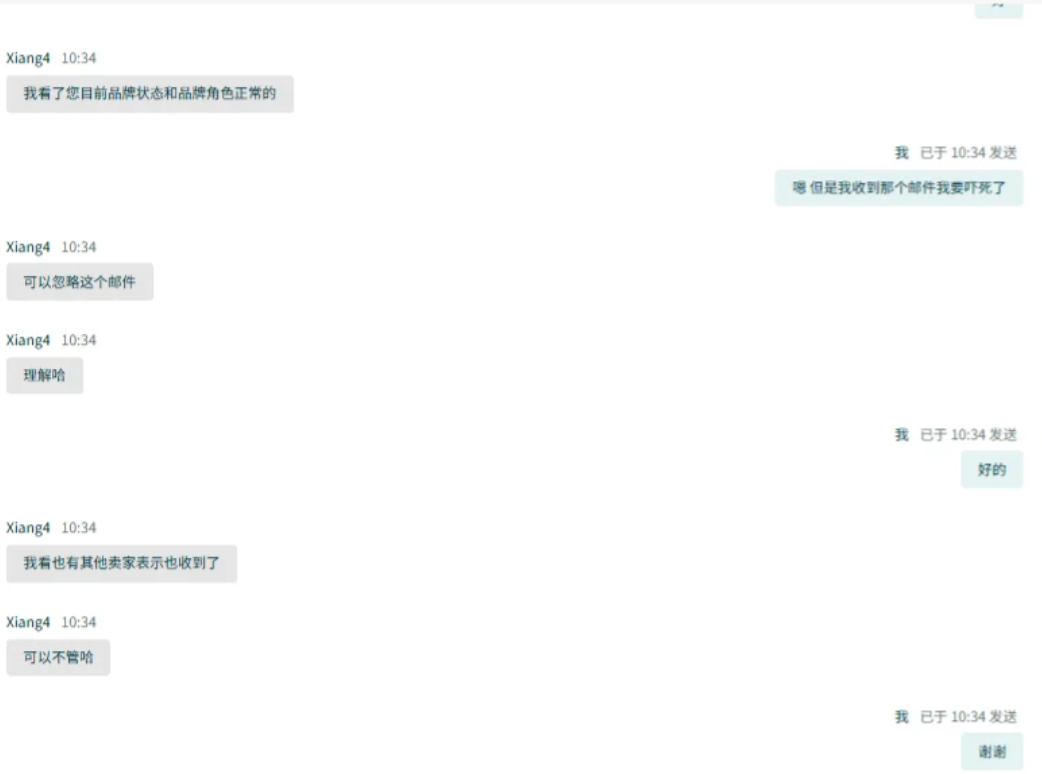
For this NWD removal notice, AMZ123 has compiled the following industry suggestions:
First, check: list all ASINs with NWD warnings, and verify brand ownership and inventory.
Second, handle inventory by type: for your own brand, use the brand admin account to add brand representative permission for the operating entity and file an English case to appeal to lift the restriction; for stable partner brands, contact the brand quickly to seek official authorization; if authorization is unavailable, make a clearance plan before the deadline, lower prices, or create removal orders to reduce losses.
Third, if the system made an error, appeal:
If an ASIN is linked to the wrong brand, provide the ASIN, the correct brand, and product photos clearly showing the brand name and barcode;
If the brand should not have NWD restrictions, provide evidence that the brand sells through resellers or distributors, such as a website link showing a reseller or distributor program.
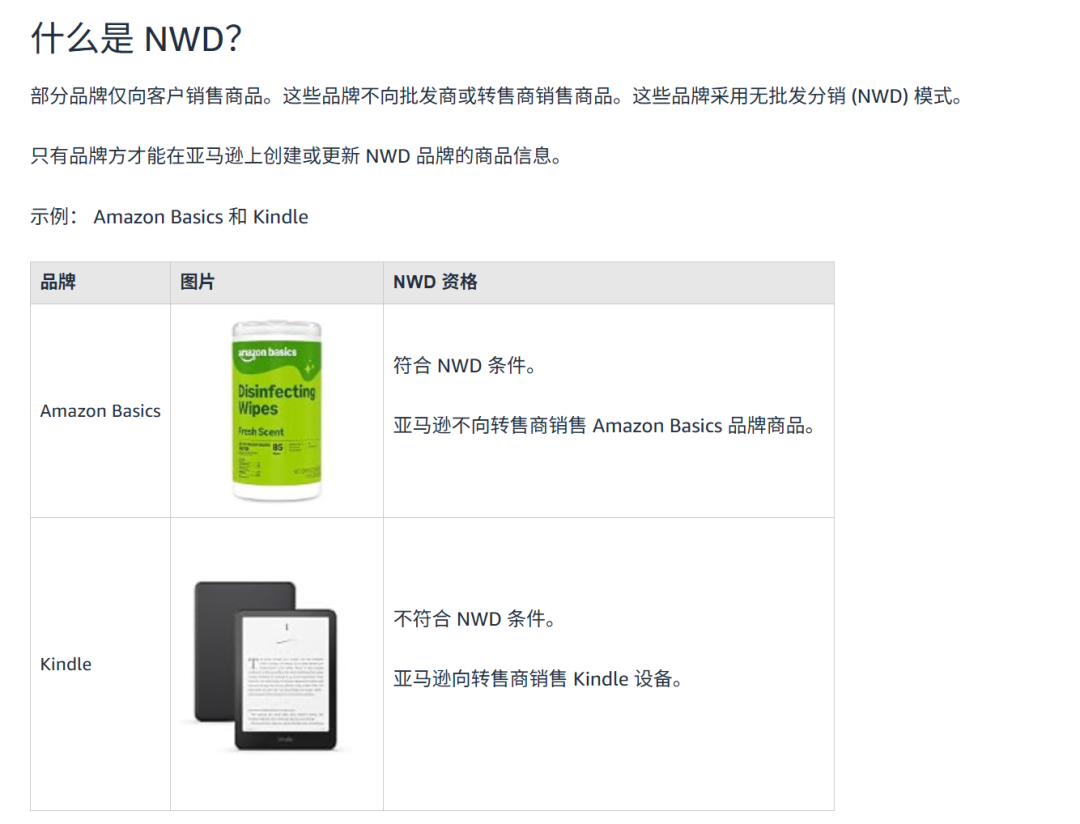
As of press time, there is still time before the deadline. It is unclear whether mistakenly affected ASINs will face further issues, but the platform's compliance trend is certain.
Notably, the NWD removal issue is not the only compliance challenge Amazon sellers face recently.
AMZ123 learned that cross-border sellers in Guangdong, Jiangsu, Fujian and other regions have again received tax bureau reminder messages.
The message said sellers' reported Q1 2026 sales revenue was lower than the amount the internet platform reported to tax authorities; if the filing is wrong, correct it promptly to avoid legal risks and economic losses.
Timing suggests the messages came one day after Amazon re-sent a 2026 Q1 tax report to Chinese sellers. Sellers suspect the platform's tax report was both sent to sellers for reconciliation and uploaded to the tax system, triggering the reminders.
There is no clear evidence of a connection yet, and sellers are focused on checking cross-border e-commerce tax information.
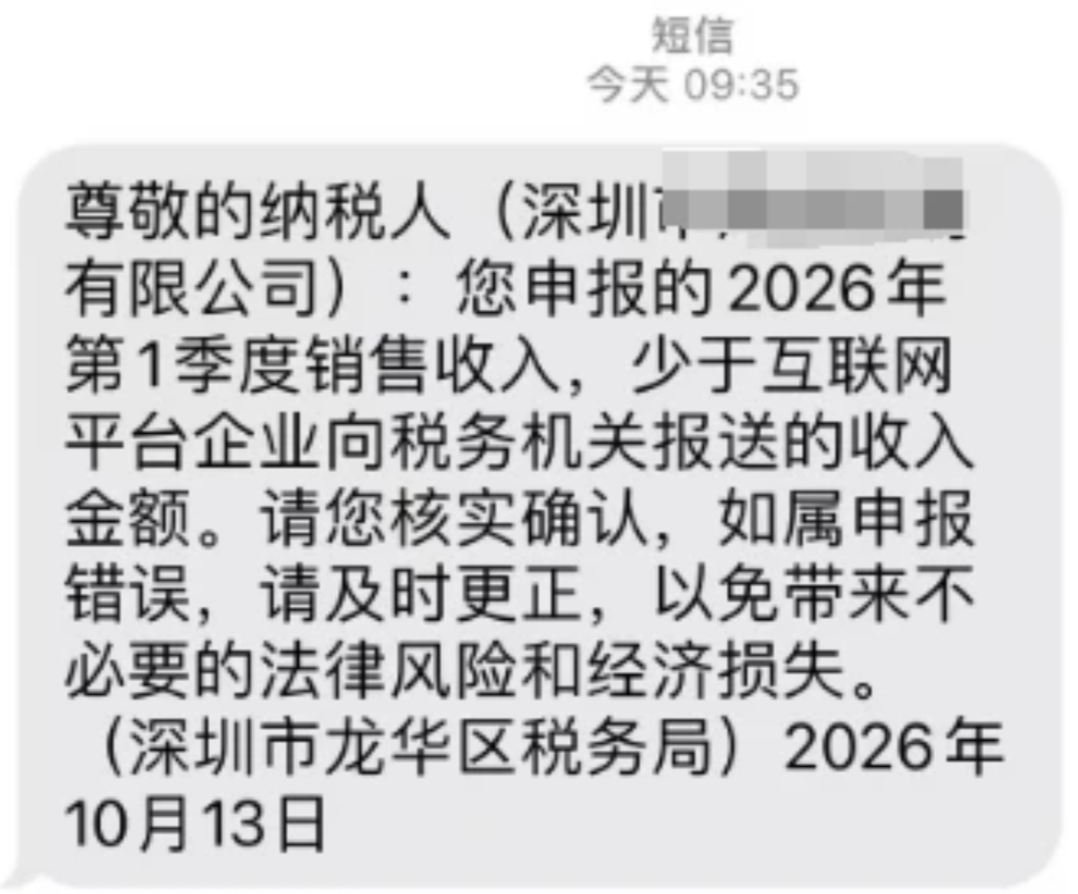
“Changed to income-based filing and still received it.”
“Under 300,000, filed low, and still got it today.”
“Why do the reported figures keep differing?”
Some sellers believe Amazon recognizes revenue by order shipment date and converts currency using the shipment date exchange rate, while many sellers record revenue by domestic payment receipt date and use the settlement date exchange rate, causing timing and exchange rate differences.
Others suspect “overseas tax collected and remitted by the platform” may be the main factor—the tax did not enter seller accounts, but the platform's reported amount may include it, meaning filing based on “income + tax” is closest to the reported figure.
Some sellers who previously filed based on “income + tax” did not receive reminders this time. But many still question this reporting standard.
AMZ123 suggests that affected sellers download the latest tax report from Amazon Seller Central, break down total reported revenue, refunds, and platform fees, compare them with company accounts, and identify discrepancies. If it is a calculation standard difference, prepare supporting documents and explain in writing to tax authorities; if there are omissions or errors, proactively correct the filing and complete remediation during the warning stage to avoid late fees and penalties.
What do you think? Share your views in the comments.
Seller Home Comment
Amazon's inventory clearance and tax warnings are applying dual pressure. Non-brand sellers must complete NWD inventory disposal before October 27 to avoid passive disposal; they should also verify Q1 filing data against platform-reported data and correct compliance issues early.
Source: AMZ123 Cross-border E-commerce
Original link: https://www.amz123.com/t/POQxCDAu