
 Cross-border information
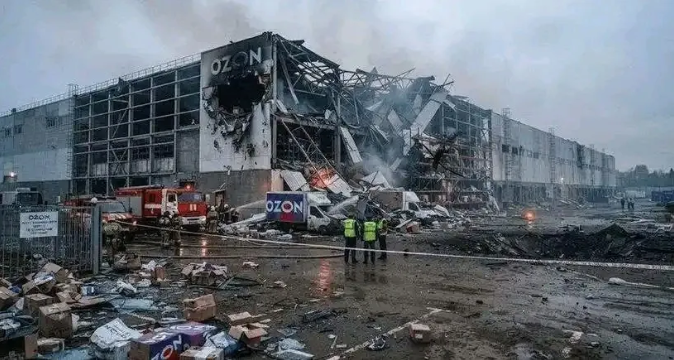
Recently, an Ozon fulfillment center in St. Petersburg, Russia, was hit in a drone attack and caught fire. According to Exilenova+, the affected warehouse facility covers about 51,500 square meters. Ozon later said it had urgently evacuated employees and no injuries have been reported.
After the attack on the St. Petersburg warehouse, Ozon has taken the following measures:
Delisting damaged goods: Products in the affected logistics center have been removed from platform display;
Halting inbound goods: The complex no longer accepts seller deliveries;
Rerouting logistics: Fulfillment routes at the damaged node have been transferred to other logistics centers, and orders that cannot be fulfilled from other warehouses will be canceled;
Recovery time and loss assessment have not been announced. Sellers currently have to wait for further notice from Ozon.
It is understood that since August 22, within just three weeks, Ozon has confirmed that ten warehouse facilities have been hit, spanning Samara Oblast, Orenburg Oblast, the Republic of Adygea, Stavropol Krai, the Republic of Dagestan, Krasnodar Krai, Saratov Oblast, Bashkortostan, Taganrog in Rostov Oblast, and extending to the latest St. Petersburg logistics center.
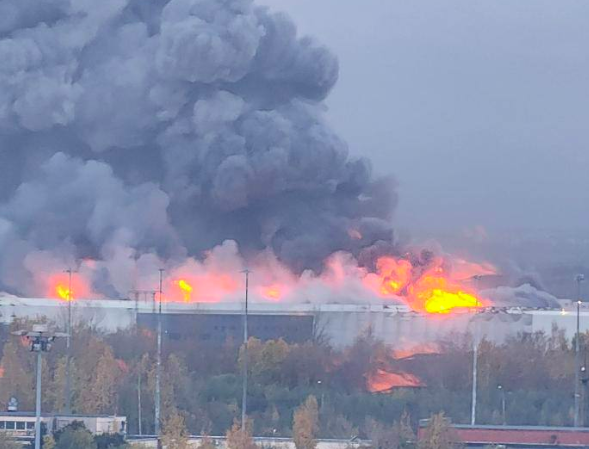
1. Samara Oblast (Chapayevsk): Attacked on August 22, Ozon's first strike; over 500 people were evacuated and the warehouse was suspended indefinitely.
2. Orenburg Oblast (Orenburg): Attacked on August 23; drone debris sparked a fire and more than 300 people were evacuated.
3. Republic of Adygea (Enem): Attacked on August 24; the sorting center was destroyed.
4. Stavropol Krai (Nevinnomyssk): Attacked on August 24; the logistics node caught fire.
5. Republic of Dagestan: Attacked on August 24; the logistics node caught fire.
6. Krasnodar Krai: Attacked on August 24; the logistics center caught fire.
7. Bashkortostan (Ufa): Mentioned as affected in industry counts in late August.
8. Saratov Oblast (Saratov): Attacked on September 11; a large logistics warehouse was completely burned down, and local order intake and delivery were suspended.
9. Rostov Oblast (Taganrog): Attacked on September 15; the warehouse was damaged.
10. St. Petersburg: Attacked on October 18; the logistics center caught fire, all personnel were evacuated, and no casualties were reported.
According to analysts at Data Insight, Ozon's product losses alone are estimated at between 88.5 billion and 107 billion rubles, with warehouse facility losses adding another 30 billion to 62.5 billion rubles.
What truly chills sellers is a notice from five days earlier — on October 13, Ozon's drone-attack insurance cooperation with Ingosstrakh was officially terminated. The reason given: "significant changes in insurance market coverage conditions."
This means that for damage caused by drone attacks, sellers affected in August still had an insurance route, while those affected on October 18 have lost that fallback.
After the August attacks, sellers holding valid Ingosstrakh policies could receive compensation for damaged goods. Payments were credited directly to sellers' dashboards after the insurer and Ozon completed the tally, without sellers having to contact the insurance company themselves.
According to seller community reports, the first payouts have been arriving since September 15, with about 90,000 sellers receiving total compensation of 8.2 billion rubles.
Image source: Rossiyskaya Gazeta
Faced with the current situation, sellers should prioritize the following measures:
1. Recalculate stock levels and promised delivery times. The St. Petersburg warehouse is unlikely to return to normal fulfillment in the short term. Sellers are advised to reassess inventory placement and delivery time settings in that region, promptly adjust available stock and promised lead times, and avoid order cancellations, lower store ratings, and reduced search weight caused by fulfillment failures.
2. Diversify inventory and avoid over-reliance on a single warehouse. Move away from concentrating goods in one warehouse or one region. Spread stock across multiple warehouses and regions, replenish in small batches at high frequency, reduce losses caused by a single point being attacked or suspended, and ensure other warehouses can take over if one node fails.
3. Photograph goods in warehouses as evidence and review liability waivers. Take timely photos of goods in warehouses and keep records of inventory and value for future follow-up. At the same time, carefully review the exemption and force majeure clauses in platform contracts, clarify liability boundaries after an incident, and assess your risk exposure in advance.
Seller Home Review
With ten Ozon warehouses attacked in three weeks and insurance terminated, sellers need to immediately check the damage status of goods in transit and in warehouses, and reassess warehouse layout and insurance coverage risks in the Russian market.
Source: AliExpress Caomao
Original link: https://www.amz123.com/t/U9dktsuF