 Amazon Global Store opening
The essential difference between high-ticket and low-to-mid ticket items isn’t cost, but how much trust the buyer needs before paying. For a $9.99 free-shipping product, a glance at the thumbnail leads to a purchase—trust cost is near zero; for a $200 item, buyers must believe it’s worth the price, trust your brand, and trust they won’t regret it—only then will they pay.
Building a high-ticket business is building trust. And “thickening trust” can be broken into three forces:
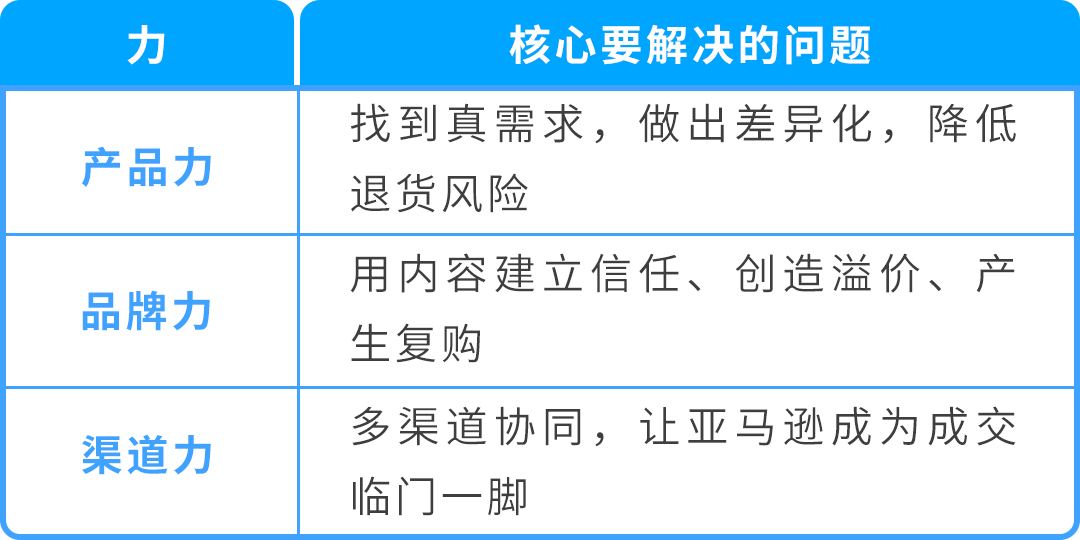
In this issue we invited two seasoned practitioners who have been in the high-ticket space for years—Rose and Sam—to talk about these three forces, and share what they’ve seen work and the pitfalls they’ve encountered.


Rose put it bluntly:

She gave a few criteria (not theory, but conclusions from reviewing hundreds of high-ticket products):
1.The use case is immediately clear
2.The pain point is specific and sharp (unsafe, inefficient, poor experience, high barriers, etc.)
3.Existing products haven’t solved it well (a market gap exists)
If you need five minutes to explain to a buyer“what makes this product better than the cheaper alternative”—chances are it won’t sustain a high price.

A seller launched a “smart temperature-controlled mug” priced at $89. The features were flashy—app-controlled water temperature, hydration tracking, drinking reminders. But users didn’t understand “why do I need an app to control water temperature?”
After 3 months, monthly sales were only a few thousand dollars, with reviews repeatedly saying “too complicated” and “not worth the price.” Eventually they had to drop the price to $39 to clear inventory, and it still didn’t sell.

The product didn’t solve a real user pain, but a “pseudo-need” imagined by the founder. Users wanted “the water temperature to be just right,” not “control water temperature via phone”—the latter added friction and actually worsened the experience.

Many people jump in when they see high search volume, but high volume only means people are searching, not that they’re willing to pay for existing options. The real signal is high search volume but low conversion. This shows consumers want to buy, but current options aren’t good enough.
How to find it? Amazon’s Opportunity Explorer “Unmet Demand” feature does exactly this—based on billions of real searches and purchases, it pinpoints blue-ocean opportunities where searches are high but orders are low.

Sam shared a very practical pre-sales + post-sales VOC validation method:
Pre-sales VOC
Post your modified ideas, even AI-generated mockups, in relevant interest communities. If no one asks “where to buy” or “how to buy” within 48 hours, the direction isn’t ready yet—don’t rush to invest in molds.
Post-sales VOC
Competitor reviews are free market research. Use Amazon’s Return Insights tool and bring recurring return reasons into the product selection phase—whether your return rate is 15% or 5% is already 80% determined the moment you choose the product.

Sam said something honest:
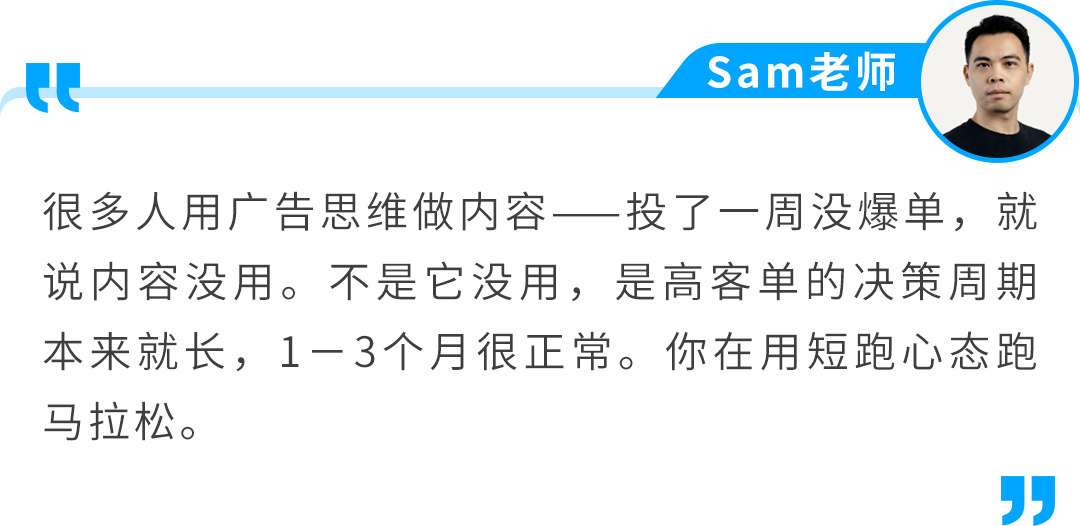
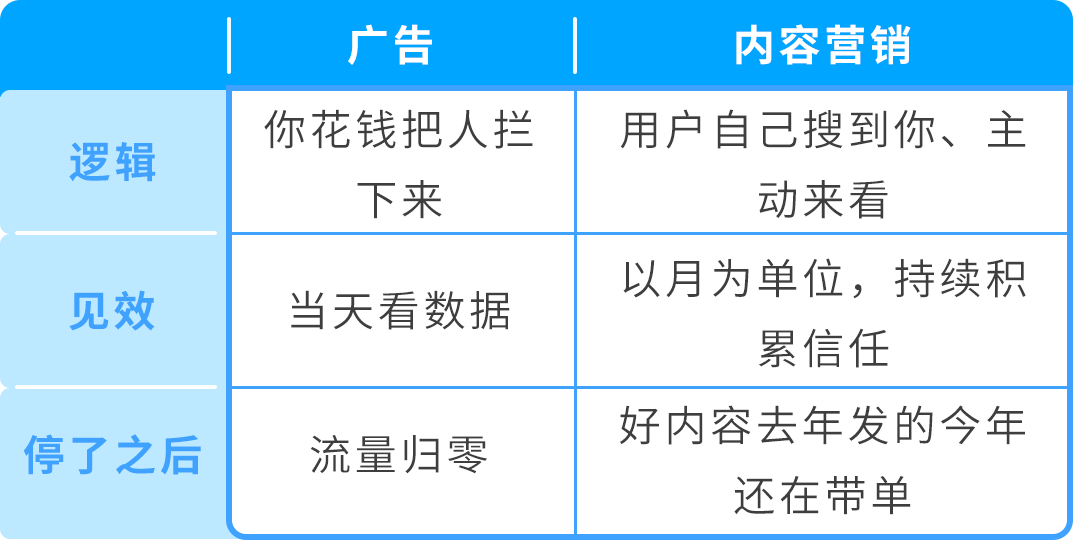
High-ticket items especially need content, because buyers won’t impulse-buy—they need time to “convince themselves,” and good content is what helps them through that process.

A $65 grill brush, 3x the average Best Seller price. How does it sell?
The answer is a 3-minute 47-second documentary—showing the founder’s 4-year journey, insisting on U.S. manufacturing, going all in from injection molding to tooling to stamping.
At the end, the founder says: “I’m not selling a brush. I’m solving a potentially fatal safety problem.”
Sam broke down its success formula:
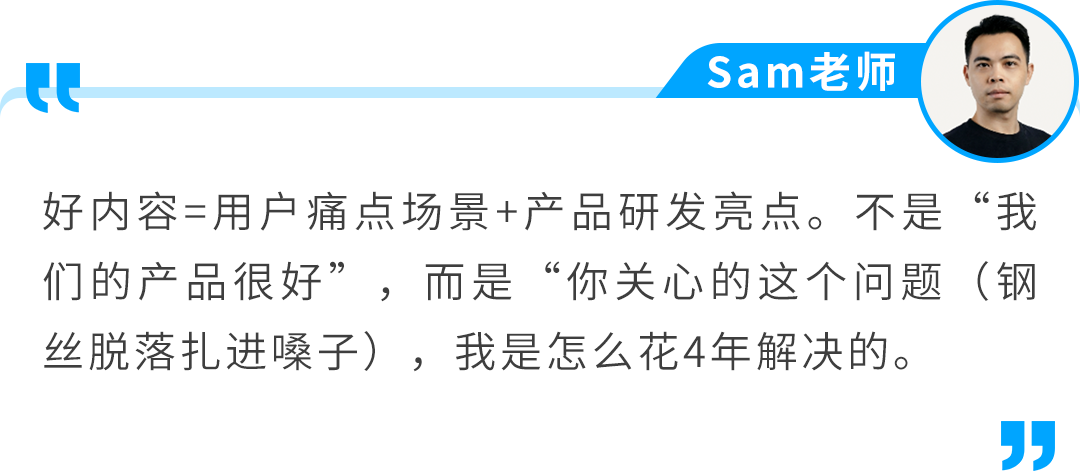
The film shares values (the hollowing out of U.S. manufacturing, a father who was a union worker) while also giving a hardcore education on manufacturing—after watching, you don’t feel like he’s selling; you feel this person really knows his stuff and genuinely cares. This trust density of “expertise + passion” is dozens of times higher than a pure sales ad.
Three tips to avoid pitfalls: Don’t praise yourself directly, don’t rush to add a purchase link, don’t stack subjective labels.
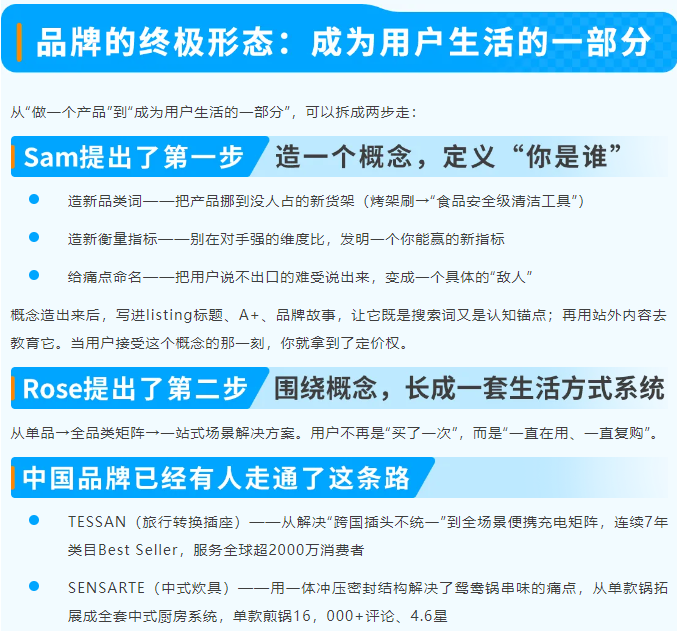
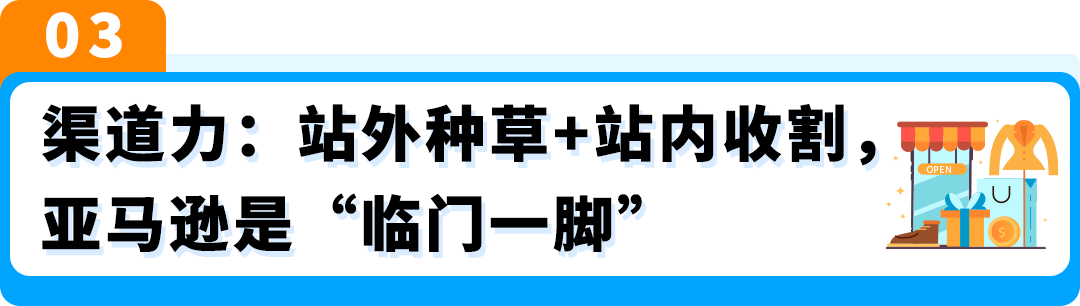
Finally, Sam talked about traffic strategy:
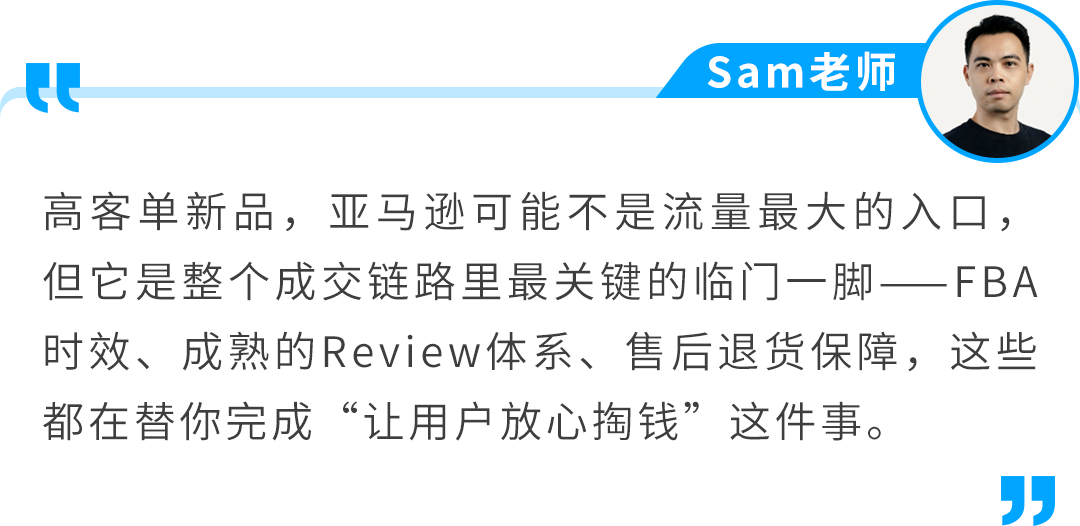
Approach: Off-site builds awareness and trust; on-site drives conversion and amasses reviews.
They’re not substitutes, but a relay. After being influenced off-site, users actively search on Amazon—this high-conversion traffic lowers ACOS, and on-site ad efficiency follows.
Sam’s team did a data comparison:
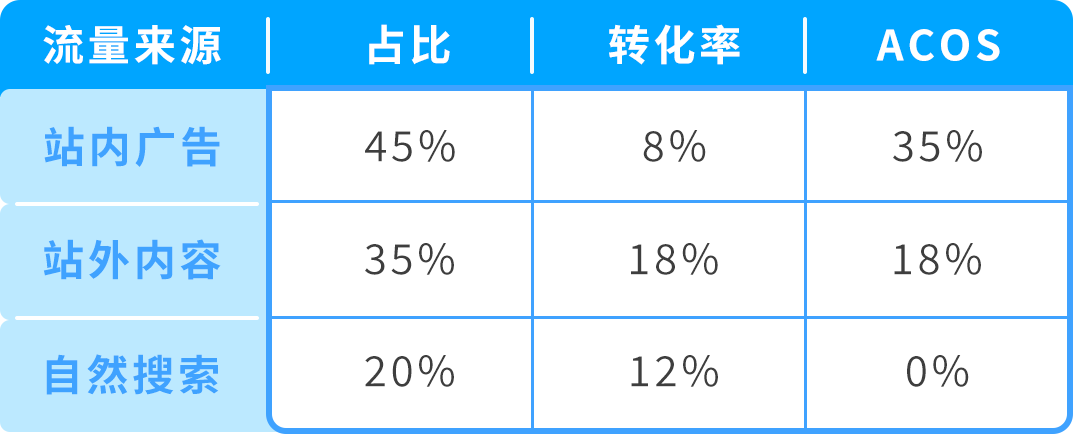
Off-site content traffic may not account for the highest share, but its conversion rate is 2.25 times that of on-site ads.
More importantly, when off-site traffic arrives, it boosts organic search ranking—because Amazon’s algorithm thinks “this product is popular” and gives you more organic traffic.
This is the compound effect of “seeding off-site, harvesting on-site.”
Recommended tool combo:
1.Amazon Creator Connection—directly connect with off-site influencers for collaboration
2.Brand Referral Bonus (BRB)—when you drive traffic from your own channels to Amazon that results in sales, you get about 10% back on referral fees

Chinese sellers have proven their efficiency and supply chain strength with the power of industrial clusters. Now the market presents a new opportunity—upgrade “high cost-performance” to “high perceived value” through product innovation and brand building.
To truly make money, shift from price wars to value creation.
Both Rose and Sam emphasized one thing:
“High-ticket isn’t about making a quick buck; it’s about having enough margin to make truly great products. When you’re not anxious about ACOS every day, you have the bandwidth to think about how to serve customers well.”
This path isn’t easy, but there are methods, and fellow travelers.
If you have any questions about Amazon, use the link ( https://wsurl.cc/wg4chn) or scan the QR code to contact an official account manager: