 Yijia Overseas
Amazon sellers need to recalculate their costs again!
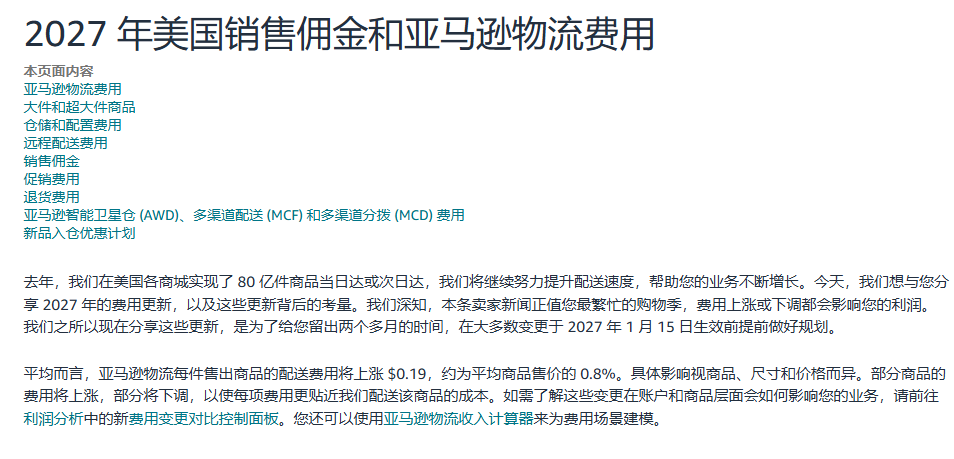
In the 2027 U.S. fee adjustments, one notable change is that Buy X, Get Y promotions will now incur fees: $5 upfront per promotion plus 2% of promotional sales, capped at $2,000.
Additionally, FBA fulfillment fees will rise by an average of $0.19 per unit. Storage fees, low-inventory-level fees, and logistics fees for AWD and MCF will also change.
Below is a summary of 2027 U.S. marketplace fee changes. Sellers on the U.S. site should bookmark this.
 1. Key Dates for 2027 Fee Adjustments
January 15, 2027: FBA fulfillment fees will use the 2027 non-peak rates. Some products will see higher fees, while others may decrease.
February 1, 2027: Storage fee structure will be adjusted, aged inventory surcharge will be canceled and integrated, and low-inventory-level fee conditions will change.
2. FBA Fulfillment Fee Changes
1) Overall FBA fee increase
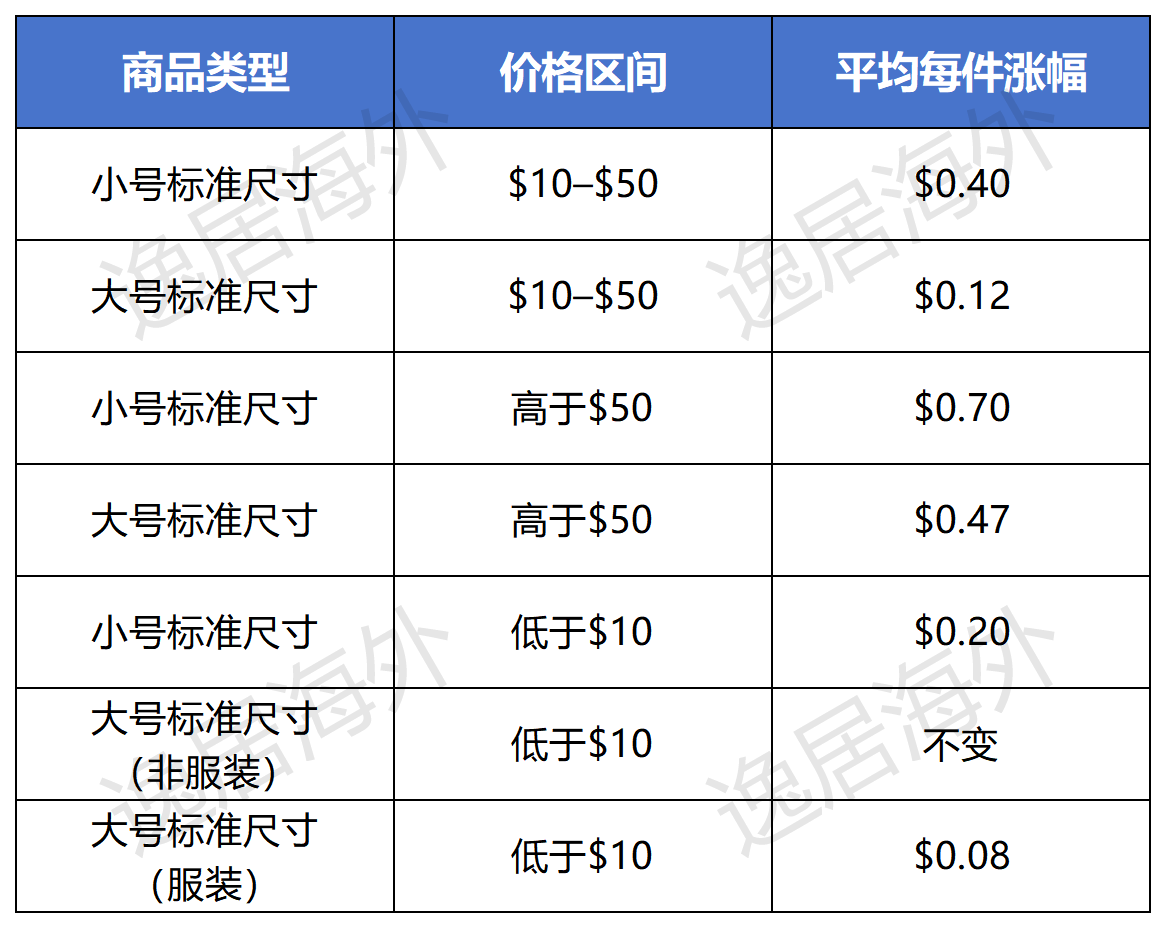
Average FBA fulfillment fee will increase by $0.19 per unit, about 0.8% of average selling price. Changes vary by product; some may decrease. Average changes for standard-size items are shown below:
2) Low-price FBA benefit narrowed
In 2027, eligibility for low-price FBA rates will narrow further. Small and light items may still enjoy lower fees, while bulkier or heavier items may face higher costs. Eligibility depends on fee category and dimensions, so not all items under $10 will automatically keep the previous low-price rate.
3) Oversize item fee rule changes
From January 15, 2027:
① Update size tiers for Bulky and Extra-Large (Oversize) items.
② Remove the original Overmax Handling Fee.
③ Add a Flat Product Handling Fee.
④ Add an Overhang Handling Fee.
Sellers of furniture, home goods, monitors, and other large items should recheck dimensions, weight, and applicable fees.
4) 3.5% fuel and logistics surcharge remains unchanged
The current 3.5% FBA fuel and logistics surcharge remains in place. Amazon will continue evaluating it based on fuel and line-haul transportation costs. Note: it is calculated on applicable FBA fees, not 3.5% of sales.
3. FBA Storage Fee Changes
1) Storage Utilization Surcharge canceled
From February 1, 2027, Amazon will cancel the Storage Utilization Surcharge. This simplifies storage fees and reduces extra charges for sellers stocking up for peak seasons.
2) Aged Inventory Surcharge canceled; fees based on inventory age
Amazon will cancel the Aged Inventory Surcharge and integrate it into monthly storage fees, creating a new age-based tiered fee structure. Items stored less than 6 months with fast turnover should see flat or lower storage fees. Slow-moving, aged inventory may incur higher fees. Storage fees will be calculated based on inventory age, so sellers need to focus on inventory turnover efficiency.
3) Low-Inventory-Level Fee adjusted
From February 1, 2027, the Low-Inventory-Level Fee calculation will change.
Before: based on sales over the past 30 and 90 days and historical sales performance.
After: uses actual shipments 4 weeks before and after the evaluation date to determine if inventory remains below 28 days of supply.
Under the new rule, only inventory below 28 days of supply triggers the fee check, combined with actual shipments around the evaluation date. This helps reduce misjudgments caused by sudden sales spikes, seasonal products, and end-of-life items.
4. Buy X, Get Y Promotion Fee Changes
Starting in 2027, Amazon U.S. will adjust Buy X, Get Y promotion fees to a performance-based structure:
Upfront fee: $5 per promotion.
Variable fee: 2% of promotional sales, up to $2,000.
This mainly applies to buy-one-get-one, buy-multiple-get-free, and related discount promotions. The fee structure aligns with Amazon deals and coupons. From February 2027, all promotions will be billed monthly to improve predictability and avoid out-of-cycle bills.
5. Other Fees
1) Amazon Warehousing & Distribution (AWD) fee adjustments
From February 1, 2027, AWD processing fees will be $1.55 per box, and transportation fees $1.58 per cubic foot. Eligible single-SKU pallets receive a 40% inbound handling fee discount. From March 1, 2027, AWD storage fees will vary by inventory age; inventory stored over 12 months will be charged 2.5 times the standard rate. From February 1, the existing FBA fuel and logistics-related surcharges will also apply to AWD transportation fees.
2) Multi-Channel Fulfillment (MCF) fee adjustments
From January 15, 2027, standard-speed MCF and Buy with Prime fulfillment fees will increase by an average of 3.5%. Expedited-speed fees will remain flat on average. MCF size tiers will align with FBA.
3) Multi-Channel Distribution (MCD) fee adjustments
From February 1, 2027, palletized LTL shipments will increase by 8%, and boxed small-parcel shipments by 1.5%. Fuel and logistics-related surcharges will apply to MCD fees.
6. How Sellers Should Prepare
1) Recalculate product profitability
Check products priced below $10, $10–$50, and above $50, especially small standard-size items.
2) Optimize packaging dimensions
Re-measure package length, width, height, and weight to avoid fee increases from size tier changes.
3) Accelerate inventory turnover
Starting February 2027, aged inventory fees will be integrated into age-tiered storage fees, so clear slow-moving inventory early.
4) Replan restocking cycles
Monitor the new 28-day inventory supply rule to avoid stockouts and excess inventory.
5) Estimate 2027 costs early
Use two Amazon Seller Central tools:
Profit Analytics: view the Fee Change Comparison dashboard to analyze account- and ASIN-level fee changes.
Revenue Calculator: recalculate fulfillment fees and profit margins.
Final Note
The 2027 Amazon U.S. fee changes affect fulfillment, storage, and inventory management. Sellers should review product dimensions, weight, pricing, and inventory turnover, and adjust pricing and restocking strategies for 2027.
Feel free to share your thoughts in the comments!