 Seller's Home
On June 25-26, I joined Baijing's Singapore study tour, visiting Google, Microsoft, Riot Games, Nanyang Technological University, Quest Ventures, and Grab over two days.
At first glance, it looked like a typical "big tech + university + capital + platform" tour. But the deeper takeaway was this: going global is no longer about simply moving products, teams, and budgets overseas. It's about rethinking the foundational capabilities an enterprise truly needs.
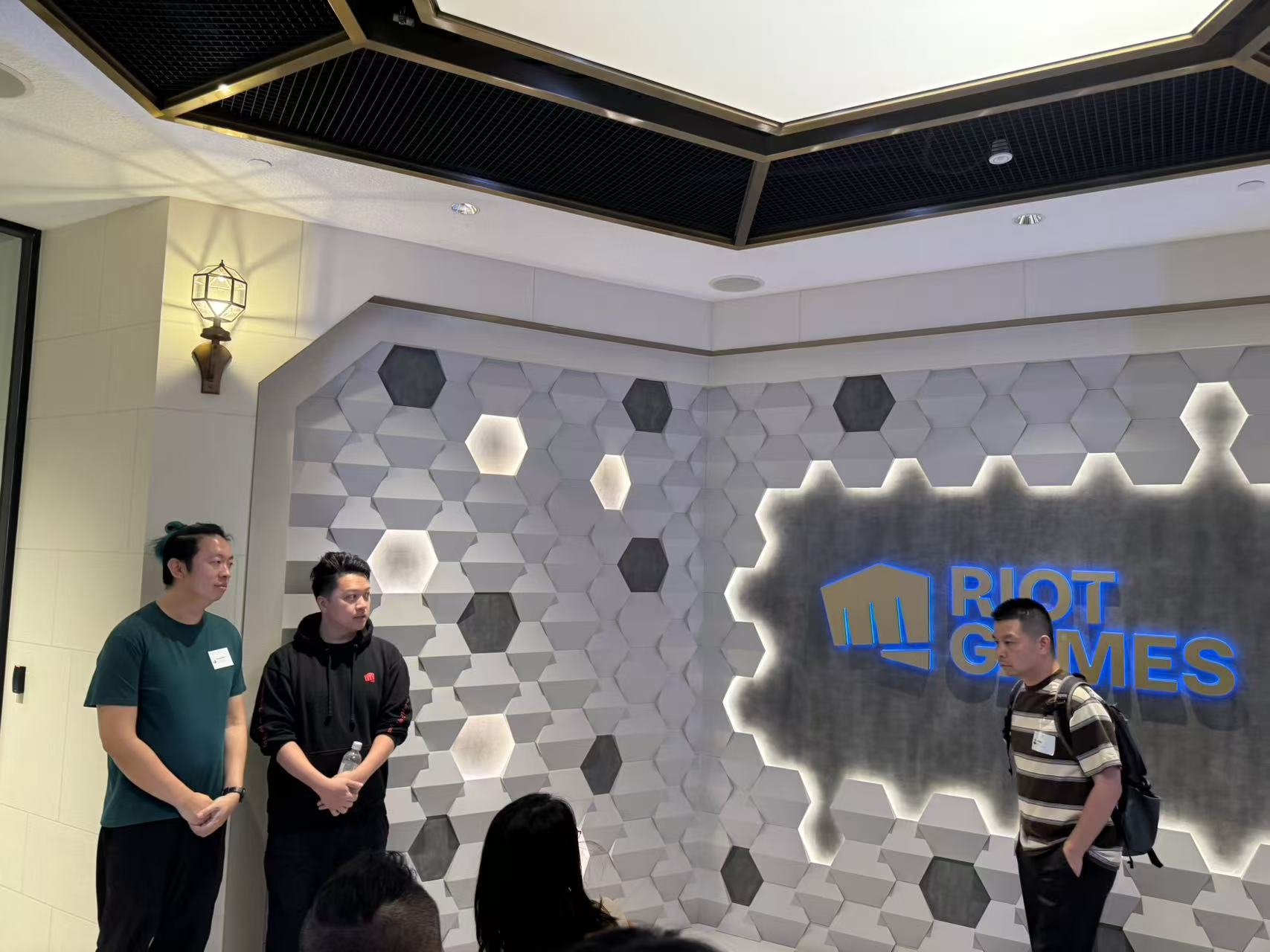
The first day's three stops—Google, Microsoft, and Riot Games—left the strongest impression. Each revealed a critical capability global enterprises must build next: AI, business process integration, and content industrialization.
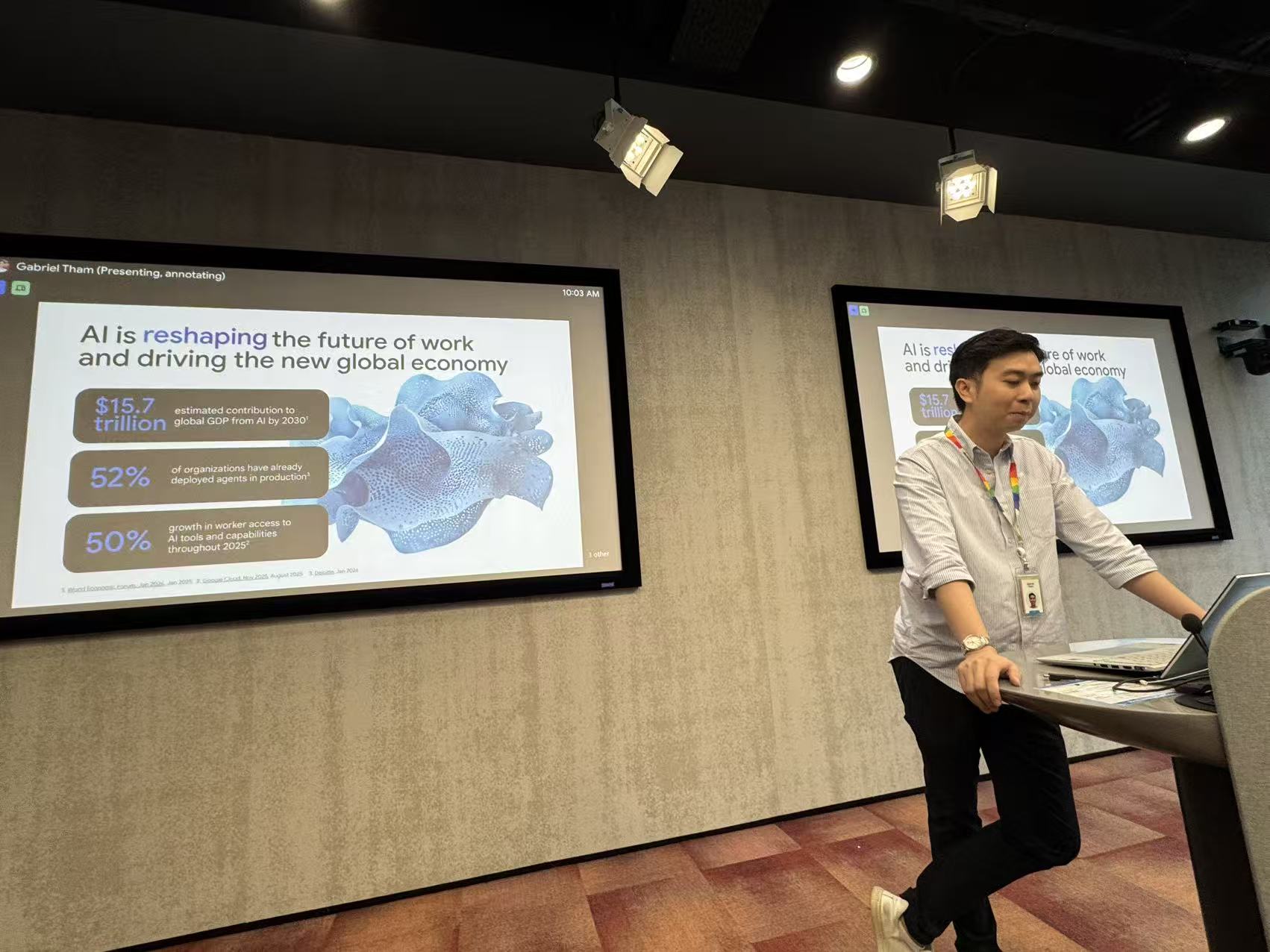
01 Google: AI Is Not Just a Tool— It's Reshaping the Entry Point The most direct takeaway at Google: AI is no longer just a chatbot—it's reshaping search, advertising, and internal workflows. In the past, AI discussions focused on model strength, low pricing, and response speed. But Google's team repeatedly emphasized ROI. What matters isn't cost per million tokens—it's the final delivery cost, efficiency gain, and incremental business value AI brings to a completed task. This resonated deeply. Many companies still adopt AI simply because "everyone else is." But the real question isn't "should we use AI?"—it's "where in our workflow does AI create the most value?" Market research, ad creative, customer service, data analysis, knowledge management—these aren't isolated Q&A scenarios. They require data integration, tool invocation, and closed-loop workflows. Google's agent direction essentially transforms AI from "answering questions" to "completing tasks"—the core capability behind the Gemini product line. Advertising is shifting too. Google Search is moving from keyword matching to intent understanding. Users no longer just search "Singapore restaurant"—they express needs in natural language: rainy day, just arrived, don't want to get wet, dining with friends. AI must grasp the real intent behind the words. This matters enormously for global brands. The future isn't about buying keywords—it's about positioning products, content, and websites to enter users' "answer ecosystems." As search becomes AI-generated, whether your brand gets understood, cited, and recommended becomes the new battleground.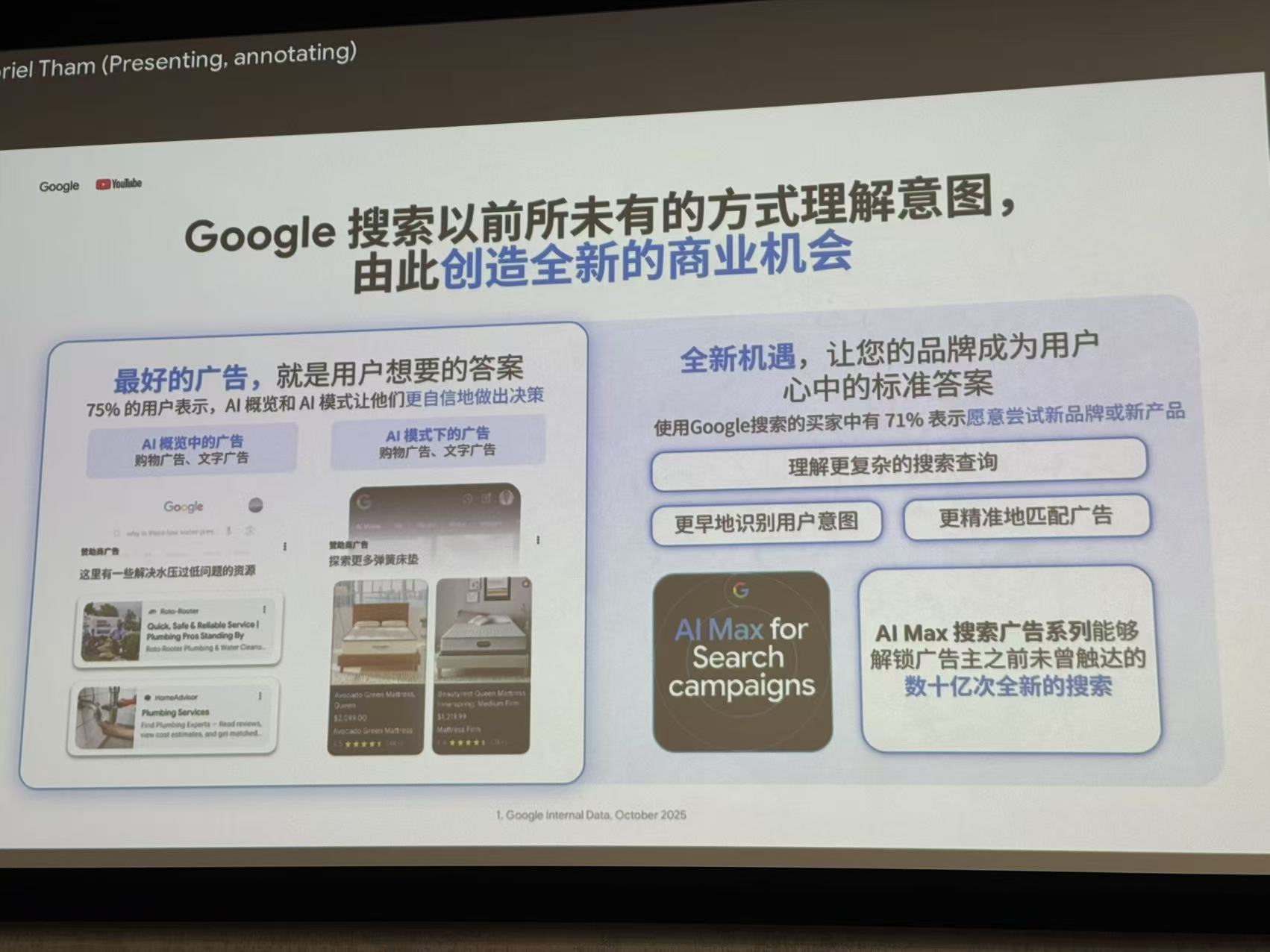
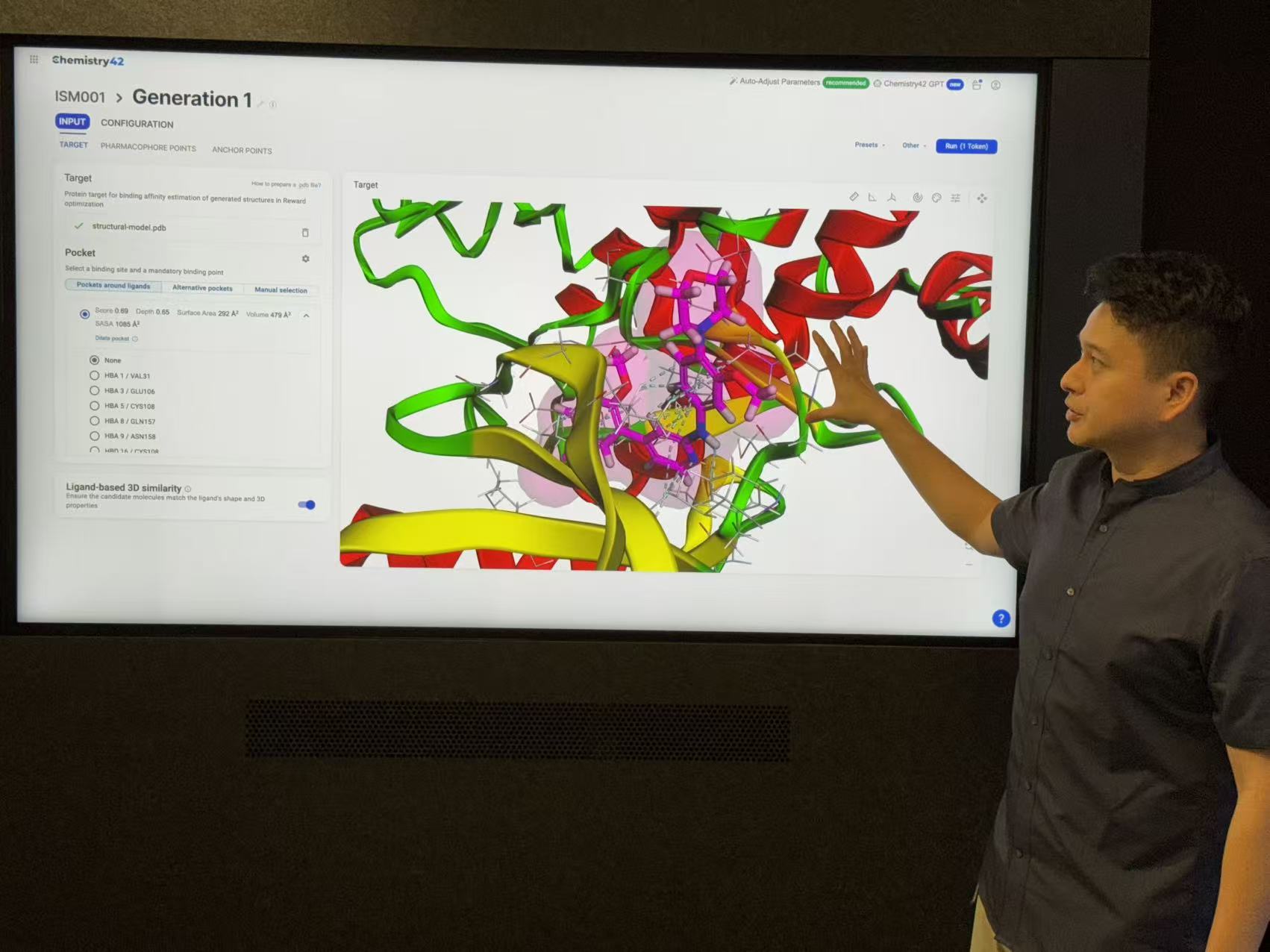
02 Microsoft: AI's Real Value Lies in Entering Business Processes At Microsoft, the feeling shifted. They showed us concrete industry applications, not abstract model capabilities. Pharmaceuticals, e-commerce, marketing—these cases proved one thing: AI creates real value not because it "speaks well," but because it integrates into specialized workflows. In pharma, AI helps scientists screen potential drug targets from vast disease, protein, research, and experimental datasets, generate reports, and narrow thousands of candidates to a few worth real-world testing through simulation. In Coca-Cola's case, AI recommends inventory to small shop owners based on past sales, location, and nearby events. It's not a flashy LLM story—but it's deeply commercial. Better restocking recommendations mean fewer misjudgments, translating to real growth at Coca-Cola's scale. Dentsu's marketing platform case was equally insightful. It strings together client briefs, user personas, simulated interviews, creative generation, and campaign feedback into one workflow. Where marketing campaigns once required endless cross-departmental back-and-forth, AI now structures the information first, letting teams make higher-level decisions. Many Chinese companies treat AI as a cost-cutting tool when going global. But these cases show AI's greater value lies in systematizing experience, datafying processes, and feeding insights back into the next decision. 03 Riot Games: Long-Term Content Capability Requires Industrialization Riot Games showed me another capability: content industrialization. Riot's Singapore office isn't just an overseas outpost. It connects the US, China, and Asia-Pacific markets. With game development, art production, data security, and cross-border collaboration all highly complex, Singapore serves as a crucial hub. What struck me most was their skin production pipeline. A standard League of Legends skin takes around 16 weeks from concept to launch: product management decides the champion and theme; concept design follows; then 3D modeling, VFX, sound, and animation run in parallel; finally QA and testing. This sounds industrial—but underpins long-term content capability. Many view game skins as artistic creativity. Yet sustaining high-frequency output over years while maintaining player trust doesn't rely on inspiration alone—it requires stable processes, standardized reviews, and global collaboration. Their stance on AI was notably restrained. Employees may use ChatGPT, Claude, or Gemini to boost personal efficiency, but AI is not used to create final player-facing content. The reasoning is clear: game content involves style, copyright, player trust, and long-term brand equity—boundaries worth preserving over speed. This holds lessons for content and brand companies. AI helps generate ideas faster, organize materials, and improve efficiency—but what reaches users still demands judgment, aesthetics, and accountability. 04 Global Enterprises' Next Phase: Competing on Systemic Capability After day one, my biggest realization: the next phase of global expansion isn't about single-point strengths—it's about systemic capability. Google showed how AI transforms search, ads, and workflows. Microsoft demonstrated AI entering real industry scenarios. Riot Games revealed the industrialization and global collaboration behind content products. If the past era rewarded traffic, supply chains, pricing, and speed, the next demands something deeper: embedding tech into processes, orchestrating cross-border teams, producing content sustainably, maintaining brand consistency, and channeling data back into decisions. Going global isn't about competing harder in a new market—it's about entering a more complex system. Those who systematize their capabilities first will go furthest.