 Amazon Global Store opening
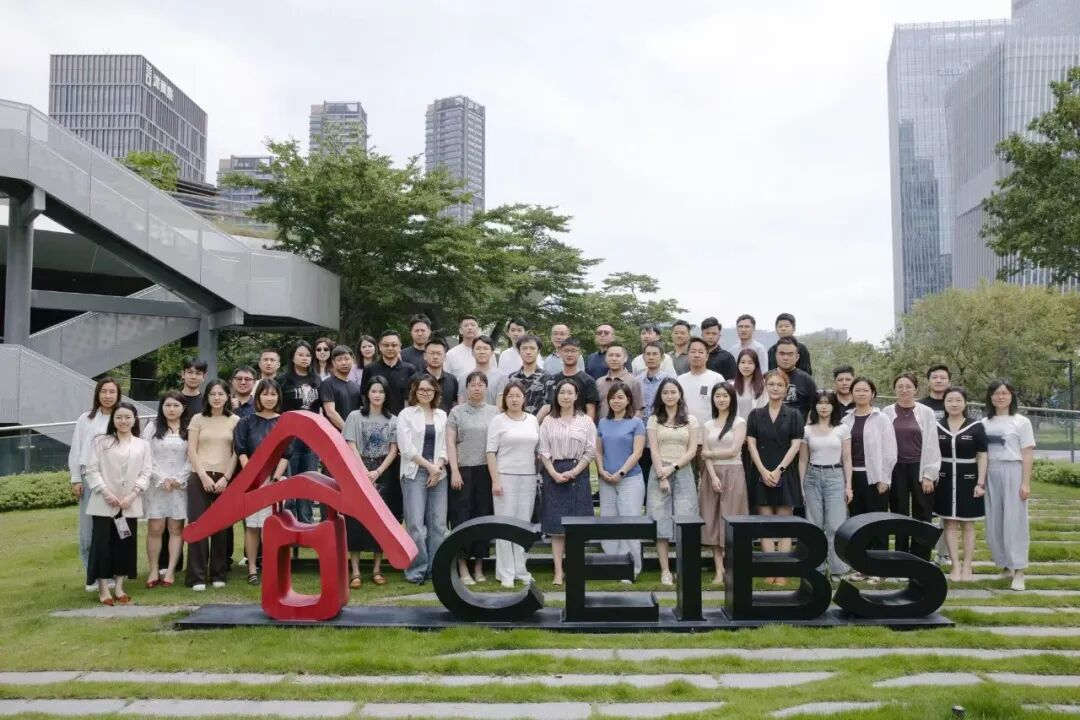
From September 15 to 17, Amazon Global Selling and CEIBS jointly held the first Global Navigator Innovation Camp. Amazon Global Selling provided frontline seller practices and solutions, the Asia-Pacific Innovation Center offered a business research and innovation space, and CEIBS contributed academic support and professional courses.
The first camp focused on “Global Operations,” combining business practice with business school theory to help sellers build a practical global operations reference framework and find breakthroughs.
The first cohort brought together 40 core decision-makers from cross-border companies, covering consumer electronics, smart hardware, home, beauty, shoes and apparel, and other categories.


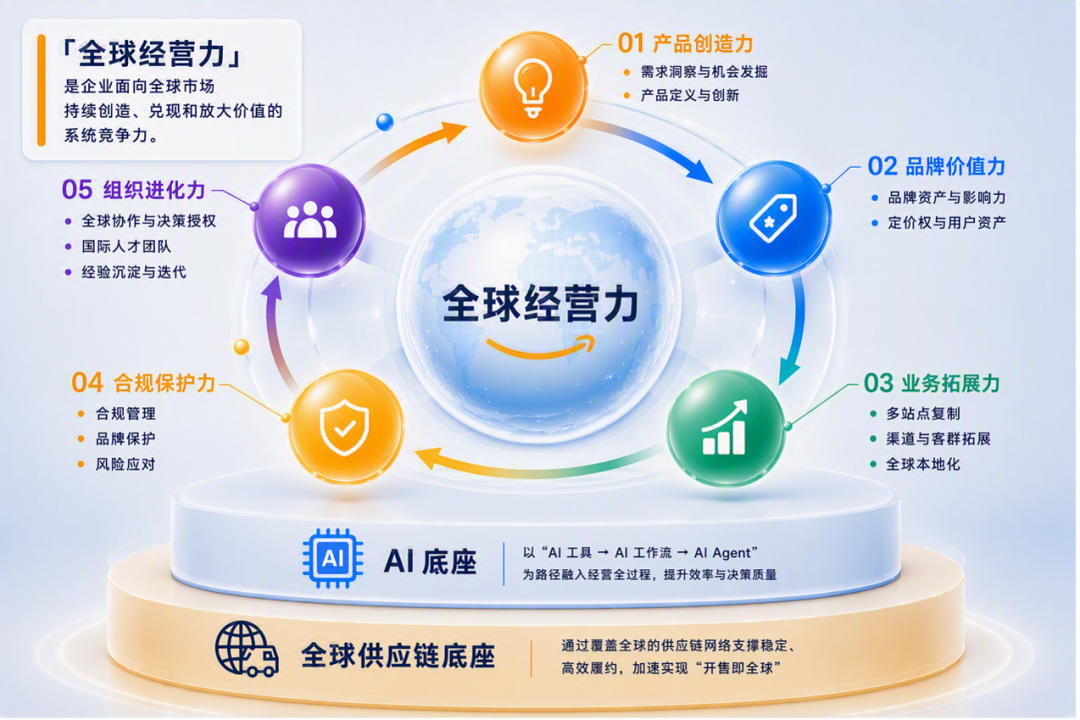
The camp introduced the “Global Operating Power” model, which starts from companies’ core competitiveness and ongoing challenges in global operations to provide an operational reference system.
“Global Operating Power” is the systematic competitiveness to continuously create, realize, and amplify value in global markets. It consists of five core capabilities—product creativity, brand value, business expansion, compliance protection, and organizational evolution—supported by an AI foundation and a global supply chain foundation.

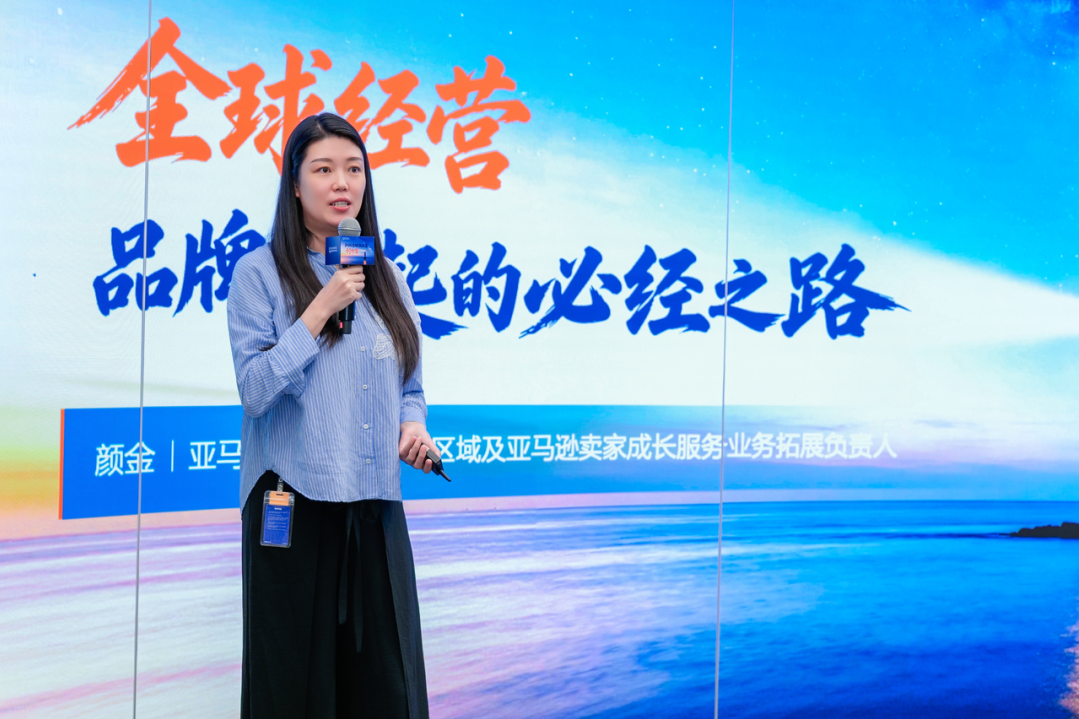
“We are entering a ‘born global’ era. Sellers target the world from day one. In the past, Chinese companies sat at the bottom of the smile curve, doing processing and manufacturing; today, more are climbing toward both ends. Simply selling goods no longer meets development needs. Only by building systematic operating capabilities can sellers achieve sustained global growth—global operations will be the necessary path for Chinese brands to rise.”
Yan Jin
Amazon Global Selling South China
Head of Amazon Seller Growth Service Business Development
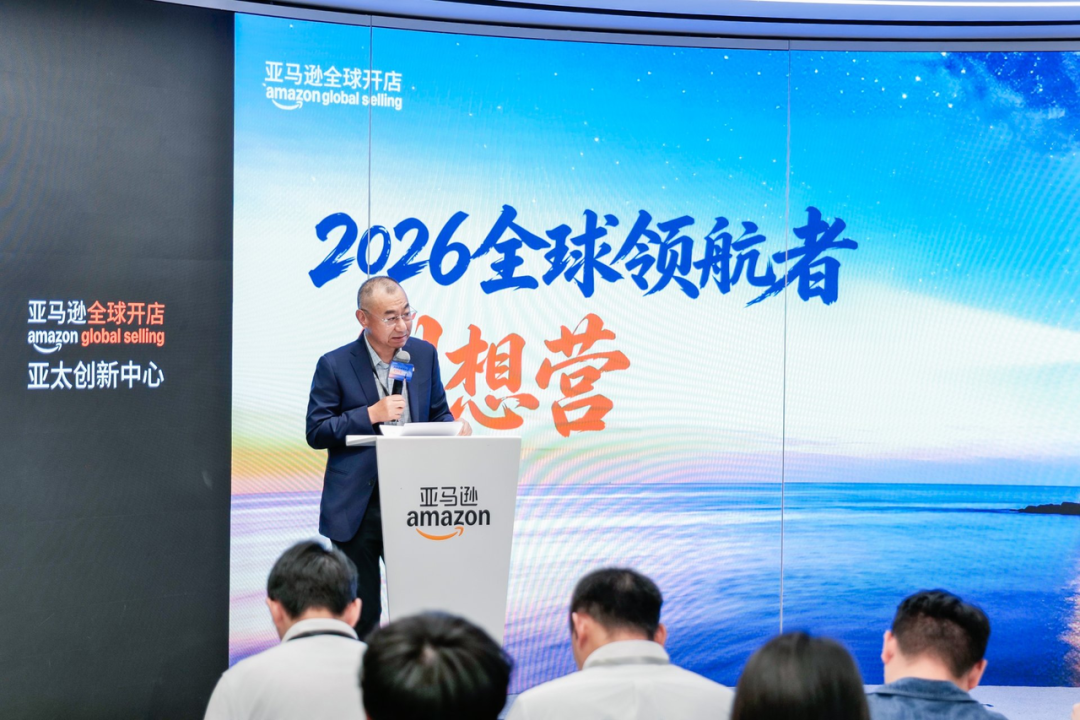
“Transforming from Chinese sellers into global entrepreneurs requires deep insight into target markets, stronger capabilities, and a learning mindset. As companies expand overseas, they must also address cross-cultural communication, organizational reinvention, M&A, and corporate governance—this is the long-term perspective.”
Liu Yongjie
Chief Representative of CEIBS Shenzhen Campus
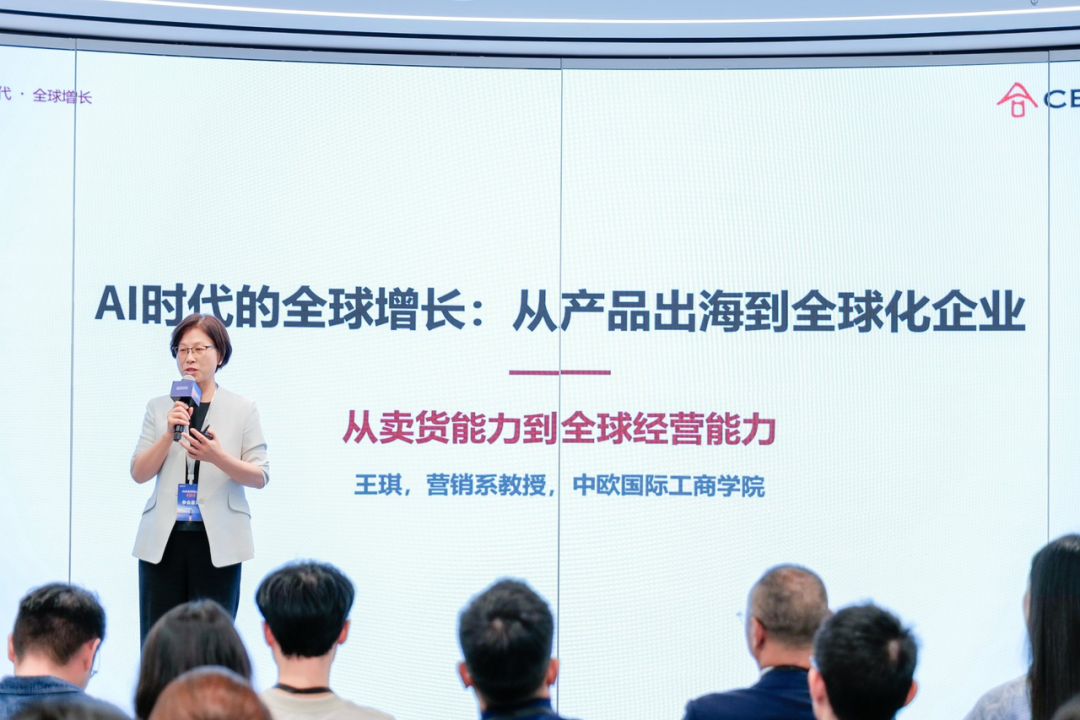
“Moving from a selling-only logic to a global operations logic requires three shifts: building user thinking; shifting from traffic and advertising to brand and user value; and developing global organizational capabilities. Differentiation is not about comparing features, but finding where a company has the greatest advantage and amplifying it. Differentiation is a choice—deciding what to give up and what to amplify.”
Wang Qi
Professor of Marketing at CEIBS
Chair of the Marketing Department
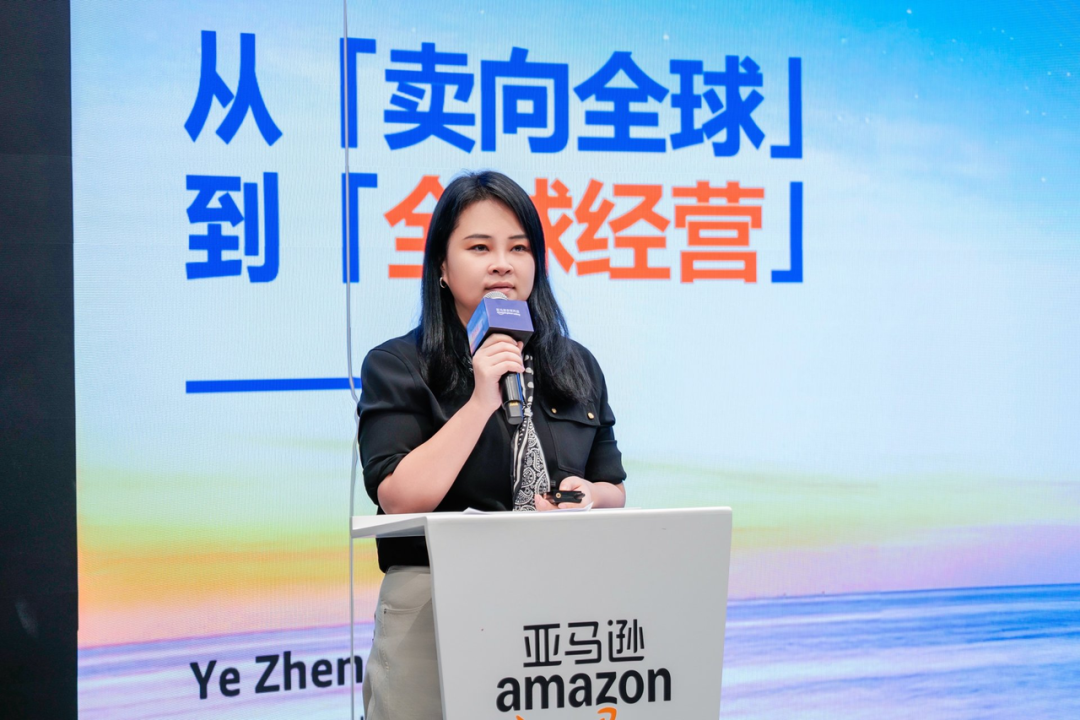
“Chinese cross-border companies need to shift from ‘able to sell’ to ‘good at operating,’ from single-point breakthroughs to systematic wins. They also need an innovation space that connects global trends, industry practices, and real business problems, helping them move from knowing what to do to actually doing it. The Asia-Pacific Innovation Center aims to link partners across industries, build an innovation ecosystem, and create a hub for innovation exchange, experience sharing, and outcome incubation.”
Ye Zheng
Head of Amazon Global Selling Asia-Pacific Innovation Center
Director of Strategic Seller Management
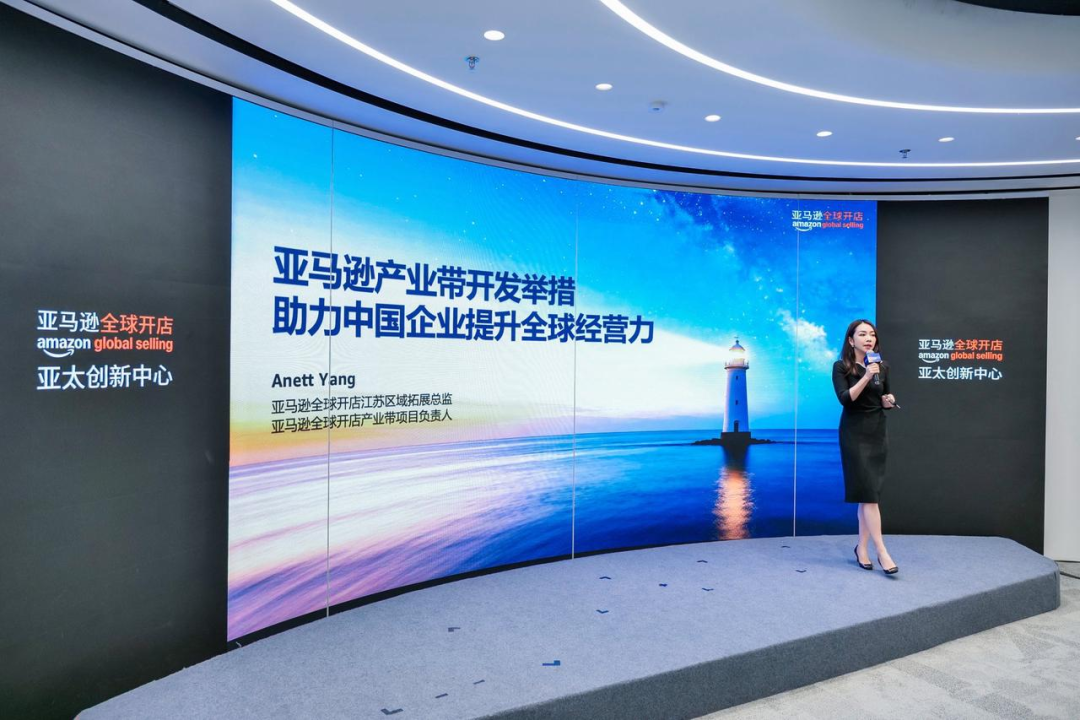
“Through industrial belt programs, Amazon can provide more timely and targeted support closer to sellers. At the same time, ‘global on day one’ means sellers list products once and stock in at the source, enabling global sales from the first day. For Chinese companies, Amazon extends warehousing and distribution services to China’s industrial clusters.”
Yang Shengjunjie
Director of Amazon Global Selling Jiangsu Expansion
Industrial Belt Program Lead
In the roundtable, financial writer Shen Shuaibo, CEIBS Professor Wang Qi, Jinshajiang United Capital Partner Qiu Kai, and Amazon Global Selling Industrial Belt Program Lead Yang Shengjunjie discussed corporate globalization, products and brands, scale expansion, and AI.
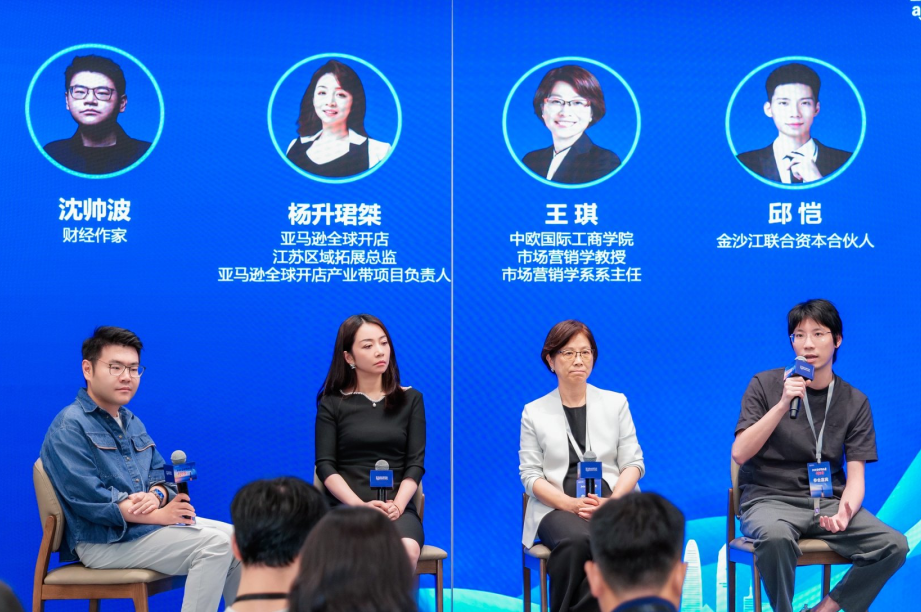
Shen Shuaibo said that when entering overseas markets today, companies can no longer rely solely on early market opportunities. They need to face real competition and entry barriers, move from products to brand value, and build systematic capabilities that can endure cycles.
Qiu Kai, from an investment perspective, said product innovation cannot stop at stacking features and selling points; it must turn supply chain, capacity, and technology advantages into user experience. Companies should not rely only on one-time sales and traffic monetization, but should continuously accumulate brand equity and treat compliance, organization, and talent as long-term investments. AI’s value is not about piling up tools, but about amplifying systemic capabilities built on products, brands, data, and processes.


Professor Lu Yi focused on pricing and profit management, examining how companies create value, help consumers perceive value, and ultimately capture sustained returns through pricing.
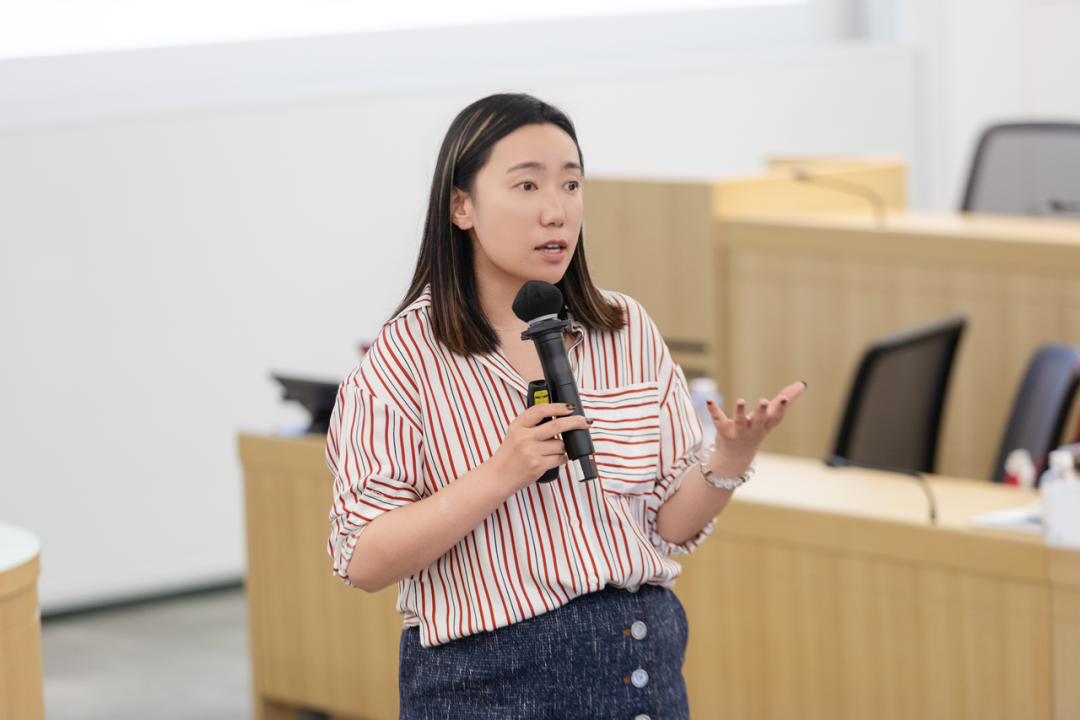
“In an incremental market, it is fine to drive volume through low prices and amortize costs through scale. But in a mature market, companies must shift their thinking—not only focusing on scale growth, but also on profitability.”
Lu Yi
Professor at CEIBS

Professor Park Hyun Young used global business cases to explain the operating logic behind customer insight, market segmentation, and brand positioning.
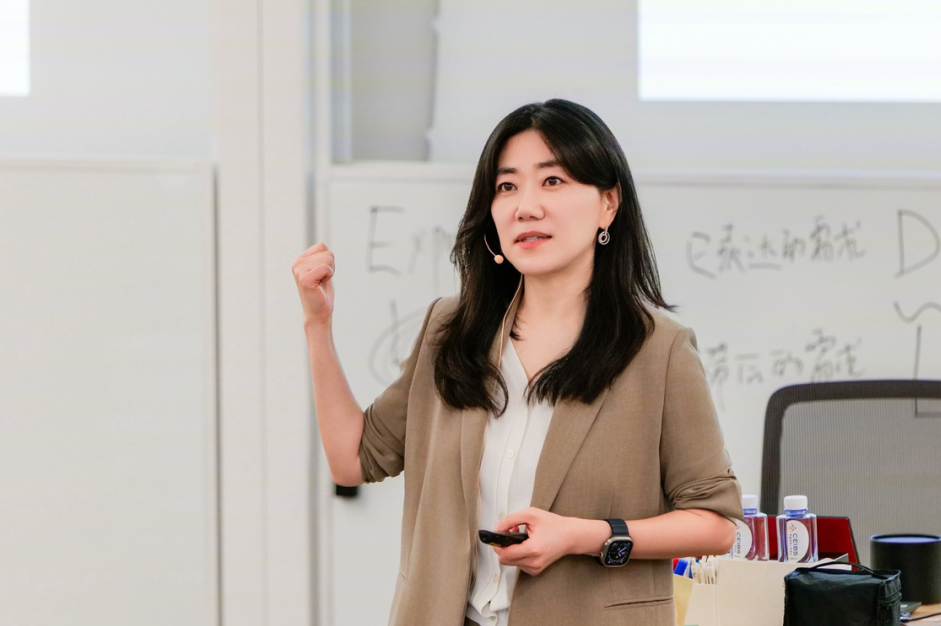
“Consumers buy value, not products themselves. Companies should think about what value they sell, not just what product. This not only helps communicate more clearly with consumers, but may also reveal new markets and segments they had not considered.”
Park Hyun Young
Professor at CEIBS

In the co-creation workshop, Amazon senior strategic seller manager Hua Xiaonan used global imaging accessories brand SmallRig as a case, systematically analyzing its evolution from a small cross-border team to a leading global brand through the five capabilities of “Global Operating Power,” providing real-world material.
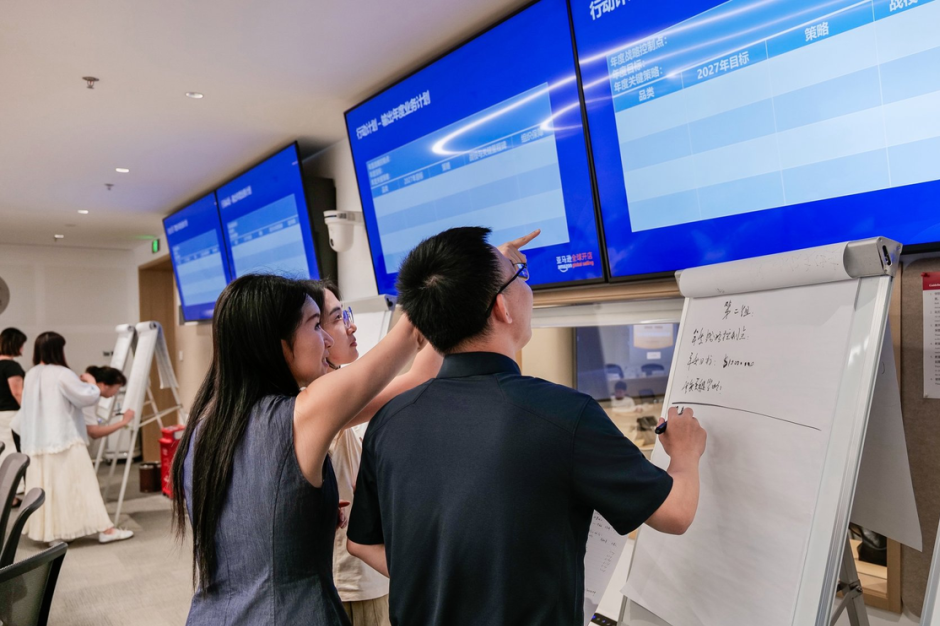
Led by workshop mentors, participants used the model to discuss products, brand, business expansion, organization, and AI based on their own business needs. Through group discussion, roadshows, and cross-evaluation, they calibrated operating goals, key strategies, business campaigns, and organizational support, and identified strengths and gaps in global operations.
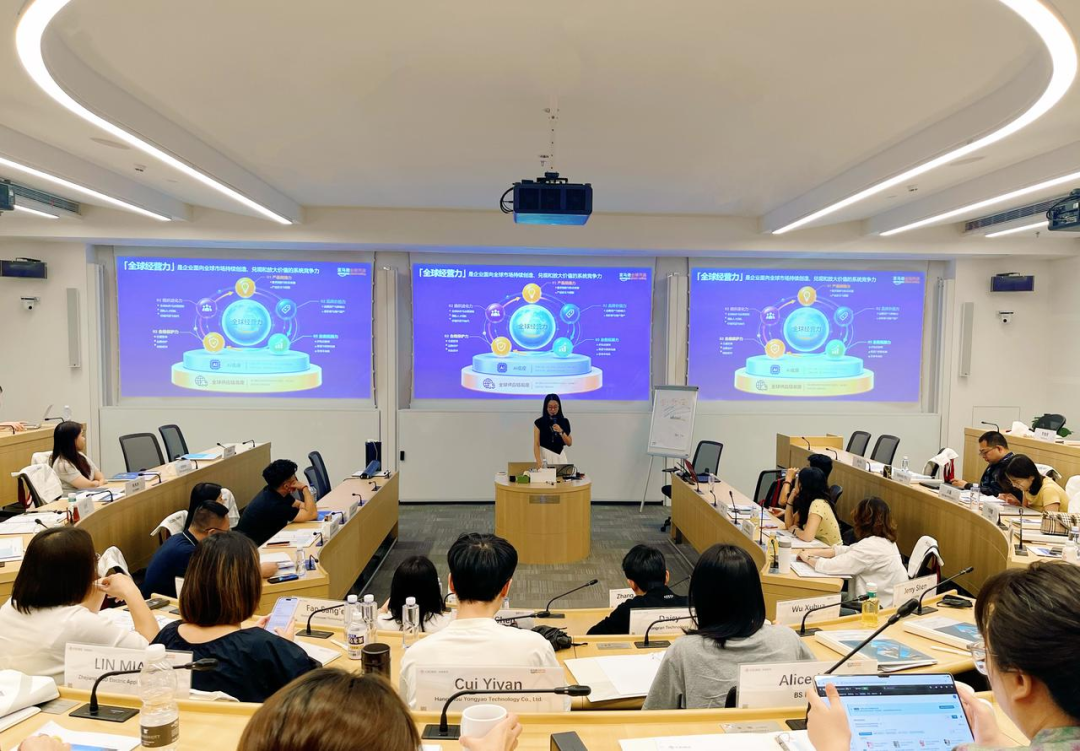
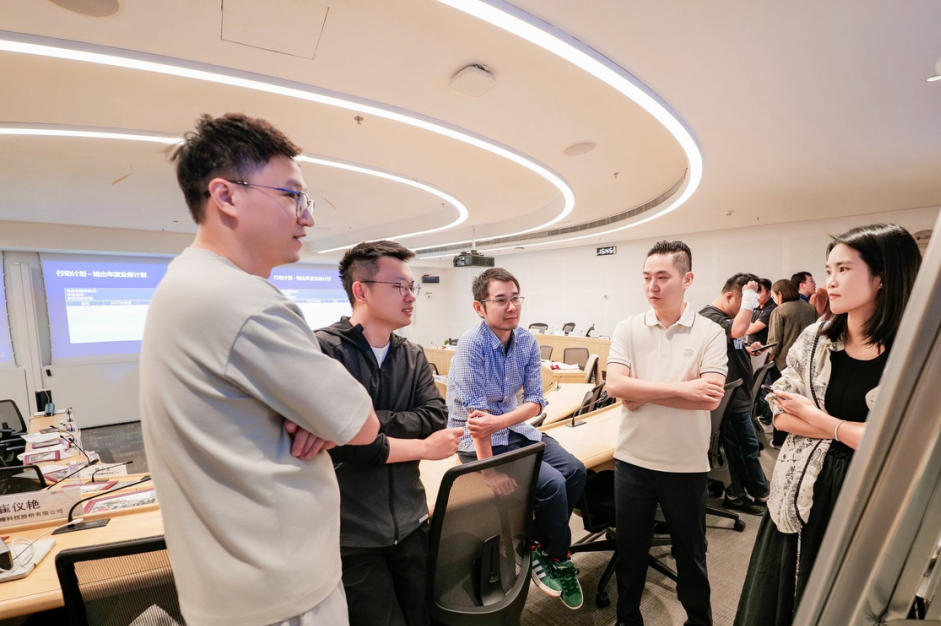

The first Global Navigator Innovation Camp has concluded, but sellers’ global operations practice continues. From “selling globally” to “global operations”—we look forward to more companies joining the Global Navigator Innovation Camp.
For any questions about Amazon, please use this link (https://wsurl.cc/wg4chn) or scan the QR code to contact an official customer development manager: