
 Seller's Home
Amazon seller communities have been almost flooded with the word "plunge" over the past few days.
Many sellers had hoped October would bring a peak-season boost, but woke up to backend data cut in half. Some had over $3,000 in sales yesterday, then only $400 today, initially suspecting account suspension or a system bug. Even worse, order volume fell off a cliff and conversion rate (CVR) also crashed; no ad adjustments helped.
01
Amazon October Sales Cool Down
"Order volume, ranking, and conversion are all plunging."
"Today is really scary. Yesterday over $3,000 in sales, today only $400. I opened it and thought my store blew up."
"Ads have brought no orders for days; all orders are organic, but volume is low no matter how I adjust."
"The poor sales are suffocating me. How can sales be this awful?"
"Since the 15th, my conversion rate suddenly plummeted."
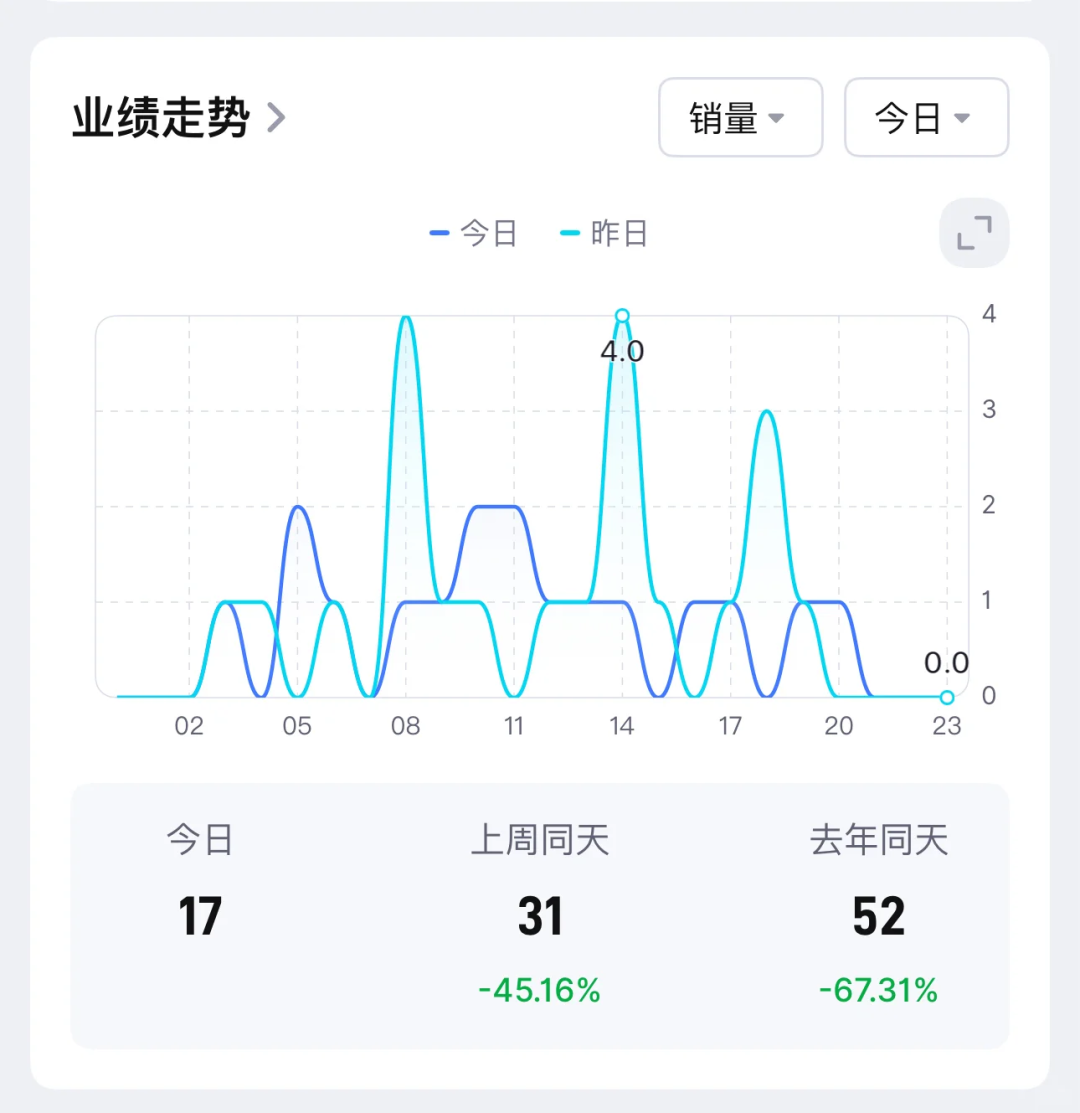
The sharp drop in orders, CVR, and ad performance has left many sellers confused.
Some suspect a system glitch, while others blame external traffic diversion: "Very poor, maybe TikTok has siphoned traffic?" Some also view recent U.S. stock market volatility as a macro factor hurting consumer confidence.
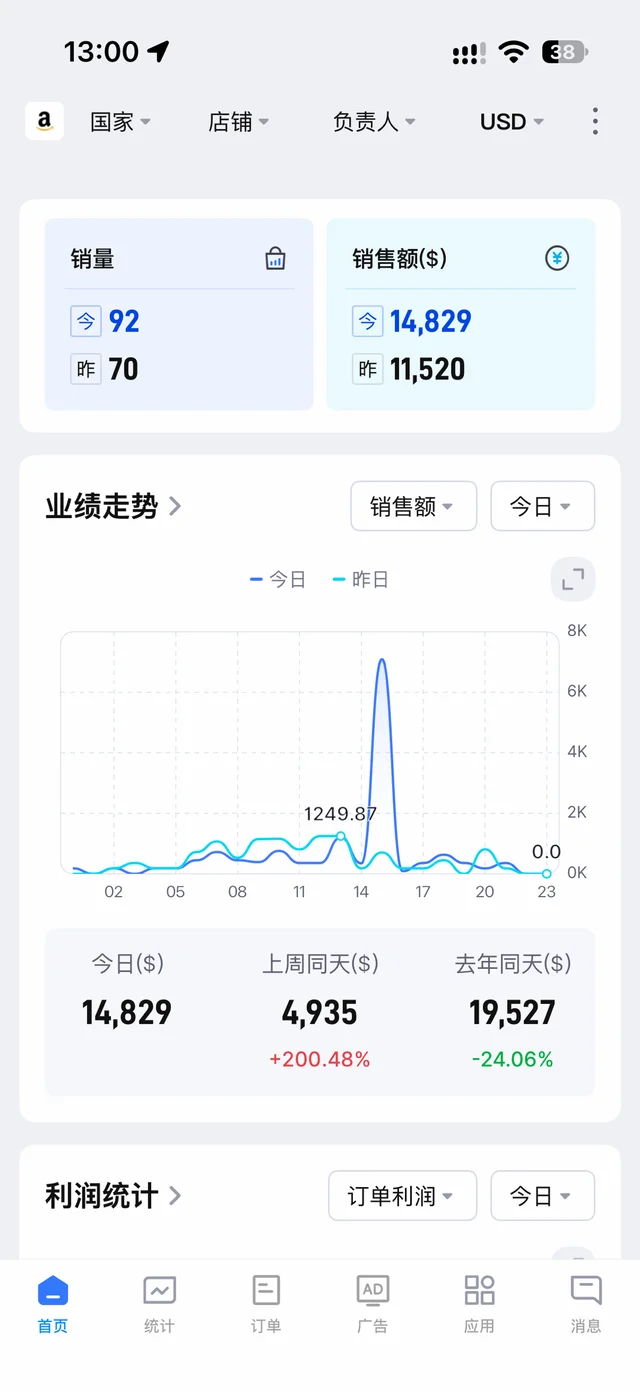
However, the market is always dramatic. Amid the gloom, some sellers posted opposite screenshots: over $14,000 in single-day sales, doubling from yesterday and up 200% from the same day last week, including one $7K order. This contrast made peers say they wanted to "share the luck," confirming that demand may still exist—just traffic distribution and conversion logic are quietly shifting.
Some sellers guessed: "Is it because they are waiting for Black Friday?" With mid-October passed and year-end sales approaching, overseas consumers are tightening their wallets. This wait-and-hold mentality is directly causing poor conversion.
As the market cools, sellers are trying different tactics. The most direct change: many have stopped over-investing in ads. If orders do not recover, maintaining high ad bids just means working for the platform. Many are turning off poorly converting keywords and tightening budgets; some even choose to "lie flat" and clear inventory to recover cash first.
Beyond clearing inventory to protect margins, another group is quietly building strength. They use this low-traffic period to overhaul listings, optimize A+ content, check negative reviews, and improve after-sales service.
After all, endure the darkness before dawn, and Q4 is still worth looking forward to.
02
US Holiday Season Online Sales Forecast to Rise 6.7%
Adobe has released its 2026 holiday season forecast: from November 1 to December 31, U.S. online sales are expected to reach $275.1 billion, up 6.7% year over year.
During the five-day window from Thanksgiving through Cyber Monday, Adobe expects $47.5 billion in sales, up 7.4%. Cyber Monday is forecast at $15.1 billion, up 6.2%; Black Friday at $12.9 billion, up 9.2%.
Black Friday's faster growth than Cyber Monday is rare in recent years. Adobe's attribution analysis shows TVs, clothing, and appliances have the deepest discounts on Black Friday.
This makes sense: price competitiveness on Black Friday largely determines ranking trends. If you fail to capture traffic that day, Cyber Monday offers limited room to recover. Cyber Monday is more about converting or re-engaging consumers who did not buy on Black Friday, not about aggressive price wars. Sellers should not use the same discount strategy and budget allocation across Black Friday and Cyber Monday; they need to differentiate by event, or traffic conversion efficiency may drop.
Category growth is clearly diverging. Groceries (up 10.3%), toys (up 9.6%), cosmetics (up 9.5%), and furniture (up 7.3%) lead; electronics (up 5.9%) and clothing (up 4.7%) lag. Although electronics and clothing are massive, with combined scale of $114.6 billion, growth is relatively slow.
Beyond growth differences, the shift in shopping motivation is more critical. Adobe data shows more consumers are using holiday discounts for daily stockpiling. During Cyber Monday week, online sales compared with September averages surged: personal hygiene products +150%, basic clothing +210%, baby products +113%, pet supplies +93%, household cleaning products +49%. This pattern resembles concentrated purchasing of daily necessities.
Meanwhile, two traffic shifts deserve sellers' attention.
First is mobile. On Thanksgiving Day, mobile share is expected to reach 63%, with a full-season average of 57.4%. Main image clarity and the first two lines of bullet points are more important. Second is AI-driven traffic, up 130% year over year, and surging 159% on Thanksgiving. Among surveyed AI shoppers, 77% feel more confident purchasing, and 69% are less likely to return items. Sellers should note that AI recommendations rely on structured information; whether titles, bullets, and backend attribute fields are standardized directly determines whether a product "exists" in AI's eyes.
Plan early to steadily capture your share of the coming peak season.
This article is for analysis only and does not constitute investment advice.