 Cross-border E-commerce Excellent Craftsman School
In the first two days back after the National Day holiday, the most-discussed news in seller groups was: "Amazon has launched a paid review feature!"
Amazon Ads recently announced a new advertising feature called Review Requests, which is scheduled to open for testing on the US marketplace in late October 2026.
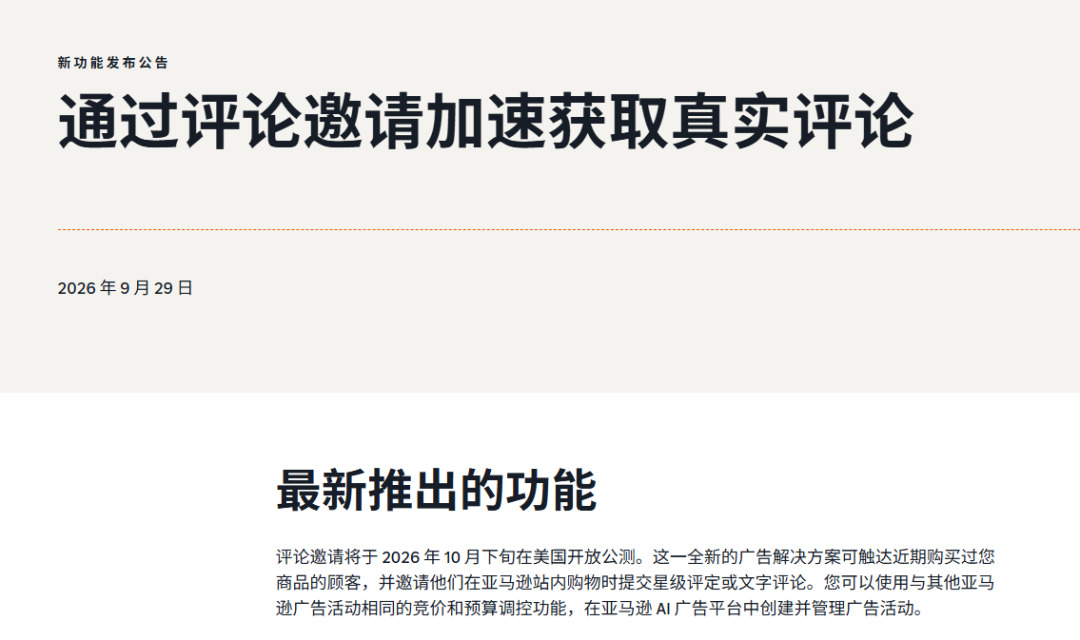
Image source: Amazon
The logic is simple:
Show a review invitation to buyers who recently purchased your product while they browse Amazon.
Buyers can leave a star rating and add text, images, or video.
Review Requests ads are created and managed in the ad console, with bidding and budget controls similar to your regular ads.
The exposure method and seller steps are shown below:
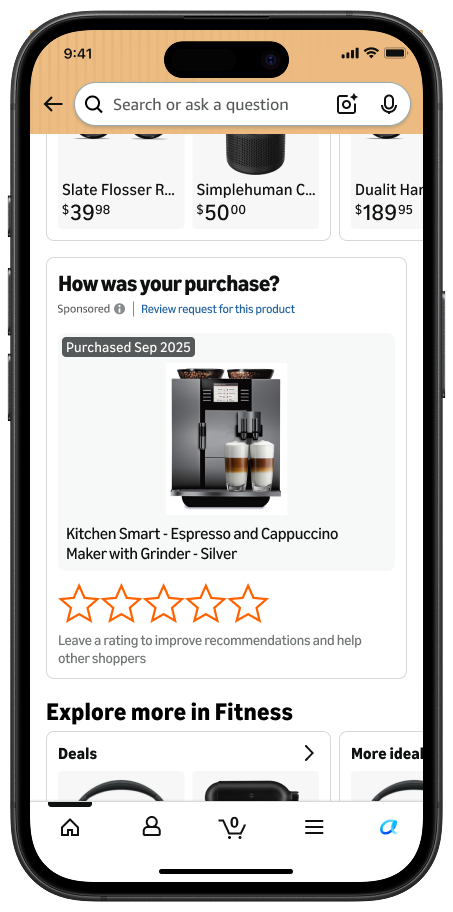
Image source: Amazon
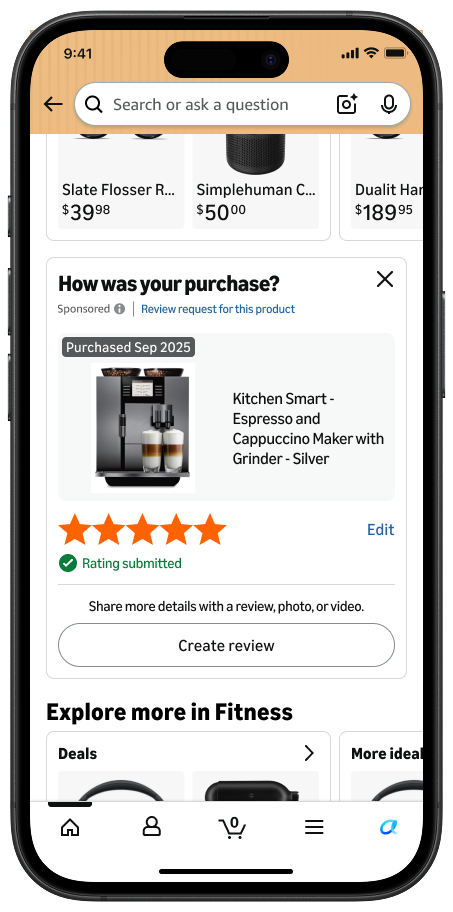
Image source: Amazon
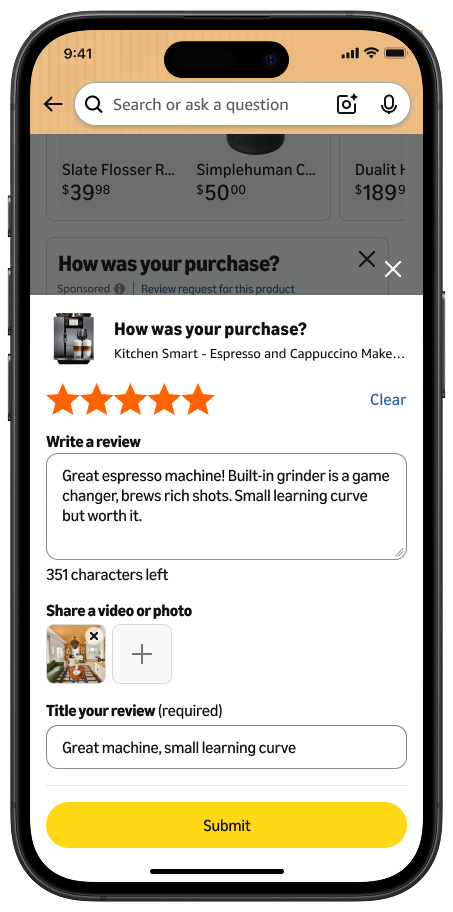 Image source: Amazon
In short, Amazon will use ads to invite recent buyers to leave reviews. Buyers can submit a star rating, write a text review, or upload images or videos. Compared with traditional review request methods, the biggest difference is that it combines review invitations with ad delivery.
Amazon's early test data shows that products using this feature earned about twice as many ratings and reviews per week as before the test. However, this data came from Amazon's internal closed test in the U.S. from June 3 to June 21, 2026, and may not reflect results for all products.
Can all sellers use Amazon's paid review request feature?
The answer: not all sellers or products can use it.
According to Amazon Ads' official announcement, the feature is currently planned to open for testing on the U.S. marketplace in late October 2026. Other marketplaces and Amazon businesses will follow later.
Specifically, sellers should note these conditions:
1. Currently only open for testing on the U.S. marketplace.
2. The product must have fewer than 1,000 total ratings and reviews. This is a key threshold. Amazon will check eligibility when you create a campaign and during the campaign. Once a product reaches 1,000 ratings/reviews, any Review Requests campaign for it will automatically pause.
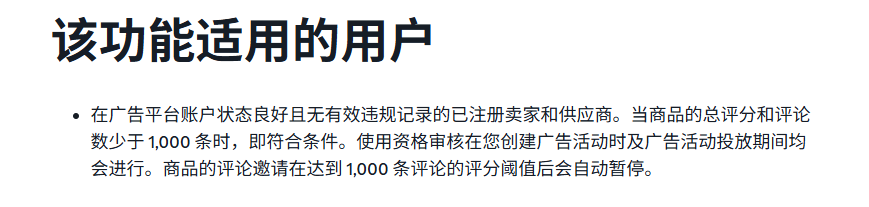
Image source: Amazon
3. Buyers receive the review invitation at least 7 days after receiving the product.
4. Cost-per-click: you may incur ad fees even if no review is left. The feature uses CPC bidding. If a buyer clicks the review invitation ad, you may be charged even if they do not submit a rating or review.
5. Once the product reaches the 1,000-rating/review threshold, the campaign automatically pauses.
6. Any form of incentivized review is strictly prohibited. Samples, discounts, gifts, etc. cannot be used as conditions for reviews. Sellers cannot offer extra benefits to induce buyers to leave reviews.
7. Reviews obtained through paid invitations carry the same weight as organic reviews. They are not labeled separately as ad reviews; they appear as normal buyer reviews on the product detail page, so their weight should be similar to organic reviews.
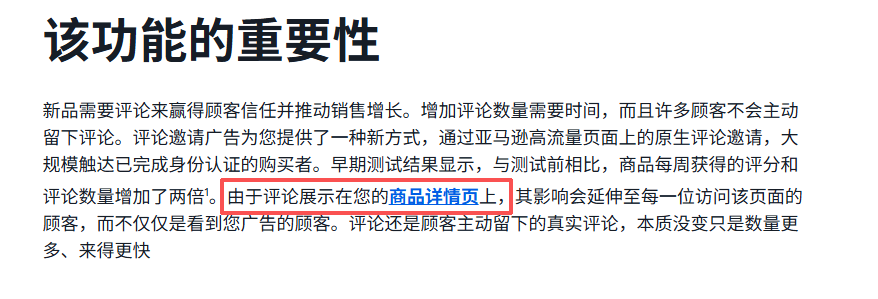
Image source: Amazon
8. The seller account must meet requirements. In addition to product eligibility, sellers or vendors need a healthy ad console account with no active policy violations.
Important reminder: buyer reviews can be positive or negative, and sellers cannot guarantee good reviews.
The final review depends on actual product experience. A good experience may lead to positive reviews; quality issues, feature mismatches, or other shortcomings may lead to negative reviews.
So our advice is: if your product has average competitiveness or unstable quality and experience, do not rush in blindly.
If your product still has obvious weaknesses, prioritize fixing product and user experience issues instead of paying to chase more reviews. Otherwise, you may spend ad money without meaningfully increasing review volume, while exposing product problems to more buyers.
For products with stable quality, reasonable margins, and a genuine need to accumulate reviews, consider a small-scale test when the feature becomes available.